When Every Dollar Counts: The Ripple Effect of Exchange Rates
The Martinez family had been eagerly awaiting their trip to Spain for months. With summer on the horizon, they meticulously checked their budget, allowing a comfortable 10% wiggle room for unexpected fees and incidentals. As they sat around the dinner table, discussing the sights they would see in Barcelona and the paella they would taste, the eldest son, Luca, casually glanced at the news. A headline flashed on the screen—“Dollar Hits a 5-Year Low Against the Euro.”
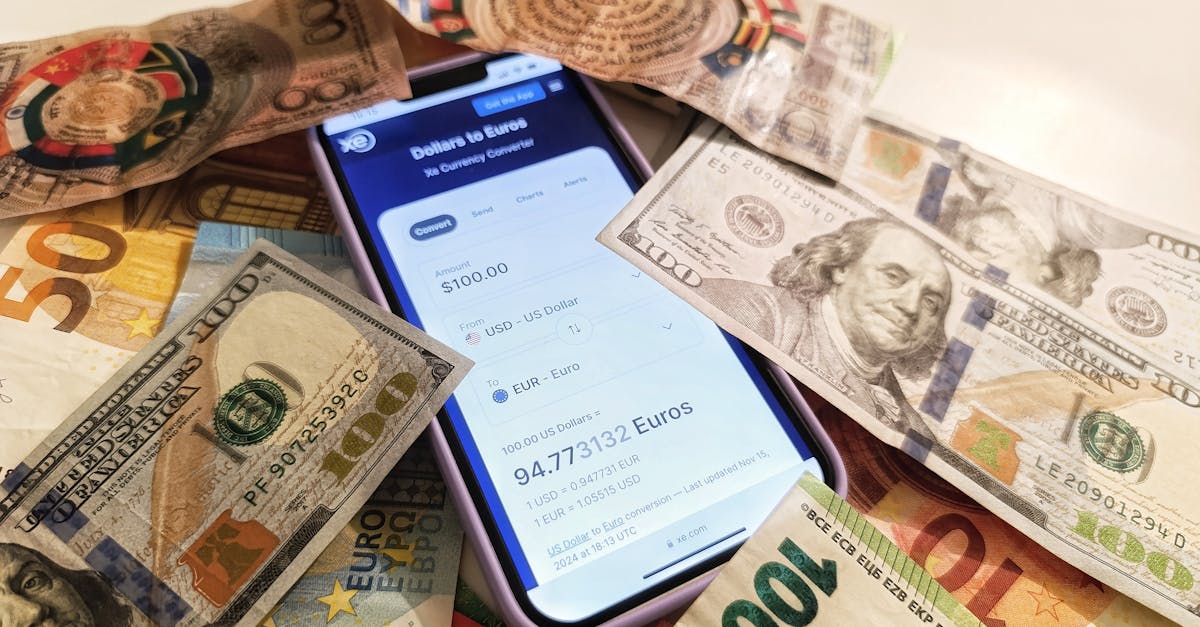
For an American family planning to exchange their dollars for euros, this wasn’t just a headline; it was a potential budget-buster. With the euro trading at around $1.10, every euro they intended to purchase would now cost them more. Imagine that their original budget of $2,000 for the trip would effectively only translate to €1,818, assuming they had anticipated an exchange rate of $1.10. The difference suddenly felt tangible, slicing away at their travel plans like a knife.
The Foreign Exchange Landscape
Exchange rates are not merely abstract figures floating in the financial ether; they have concrete ramifications for the average American household. According to recent data from the Bureau of Labor Statistics, inflation sits at 3.8%, dovetailing with an ever-evolving economic landscape where the value of a dollar can shift seemingly overnight. As families like the Martinezes weigh their vacation plans against rising food and gas prices, the stakes of exchange rates become clear.
A glance into broader economic trends illustrates this volatility. The Federal Reserve’s latest interest rate stands at 3.64%, a tool wielded to combat inflation but also a factor that can impact foreign investment and, consequently, the strength of the dollar. A stronger dollar offers relative cheaper imports, but the flipside is that it can make exports less competitive, a nuance often lost in the broader debate about currency valuation.
Small Business, Big Impact
Down the street from the Martinezes, Maria owns a small import business specializing in artisanal goods from Spain. When the dollar weakens against the euro, her costs spiral—not just from the exchange rate but also from increased shipping fees that rise alongside global oil prices. Last month, Maria calculated that her cost per shipment had jumped by 12% due to both the fluctuating currency and escalating transportation costs. Each shipment of beautiful handcrafted tiles that used to cost $1,000 had now ballooned to $1,120. This hit her profit margins hard, forcing her to consider raising prices.
Yet, Maria knows that higher prices could push loyal customers away, especially in a market where inflation is already squeezing household budgets. As unemployment hovers at 4.3%, families may soon find they have less discretionary income for decor upgrades. The delicate balance between pricing, cost, and consumer demand keeps her up at night—an interplay of fears, hopes, and a fluctuating rate that can turn her business plans upside down.
The Human Cost of Currency
The Martinezes’ dream of experiencing Spain may dim under the weight of financial contingencies tied to the dollar’s value. Meanwhile, Maria’s anxiety translates into long-term decisions about hiring, inventory, and product availability. Each transaction, each exchange, is a vivid reminder that the economy is not merely abstract numbers manipulated by traders in glass towers; it encompasses real lives, real families, and real dreams.
As Luca remarked during dinner, “Mom, will we have to have less paella?” faced with a stronger euro and tighter constraints on their travel budget. Maria, too, wrestles with her reality, knowing she must adapt as global forces shape her local business landscape and impact her bottom line.
For the Martinezes and many others, the exchange rate story emphasizes one crucial point: currencies connect our world in complex ways, molding everyday life in unforeseen manners. It’s more than just money—it has the power to transform plans, aspirations, and businesses, illustrating the intricate web of our global economy. Every dollar stretches or shrinks in the face of international exchange rates, reminding us that every cent counted can have far-reaching effects.