A Family’s Golden Opportunity
Meet the Martinez family from Los Angeles. With two children in tow and a penchant for travel, they had long planned a trip to Spain. Just last summer, they were eyeing a comfortable budget of $5,000 for a ten-day adventure. However, as their travel date approached, unexpected news about the exchange rate began to trickle in. The euro was getting stronger, making their dollars less powerful abroad.
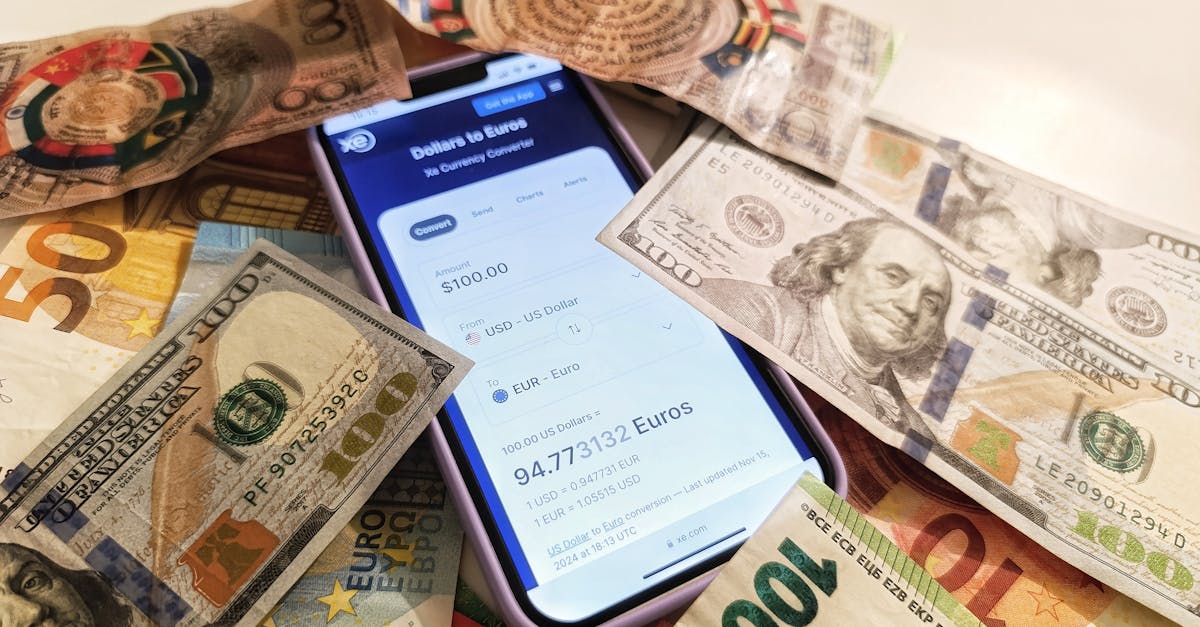
A quick glance showed them that this year, one dollar bought only 0.84 euros. Picture it: last summer, their $5,000 would have netted them about 4,200 euros, plenty for tapas in Madrid and museums in Barcelona. Now, with the dollar slipping through the clenched fists of inflation and a rising interest rate, their expected euro haul shrunk, resembling a mere 4,200 euros—down to which they’d face a tighter budget than projected.
The Currency Tug-of-War
Why the sudden drop? The reasons can be traced back through various economic indicators. The current inflation rate stands at 2.4%—a number that, while generally stable, carries implications for purchasing power when abroad. Prices for everyday goods can climb, adding pressure on households like the Martinezes to yield more dollars for each euro spent. Meanwhile, the Federal Reserve has set interest rates at 3.64%, an effort to control inflation but with the side effect of making U.S. investments less attractive to foreign buyers.
Imagine a farmer in Georgia, who typically sells soybeans at a solid price. With a lower dollar value, international buyers would pay less overall if they were buying them with euros, thereby reducing the demand for American exports. Plus, as the exchange rate shifts, consumers will find that their dollar is suddenly worth less chalked next to global currencies—creating a scenario where imported goods become more expensive and consumer choices tighten, all while workers feel the brunt of inflation.
The Business Landscape
Turning from family to business, consider a tech company in Silicon Valley, reliant on overseas markets. If the dollar were to weaken further, they might find their products priced out of reach for European clients, driving down sales. Last quarter, revenues were up, with a promising $1 million incoming from Europe—until the exchange rate played ill-fitted fate. Similarly, suppliers would demand more dollars for components they procure from countries where the dollar-in-euro translation no longer favors American sourcing.
This relationship ties back to the employment landscape. With an unemployment rate of 4.4%, companies face tight labor pools and rising wages. But when the revenue they generate from exports diminishes due to unfavorable exchange rates, budget cuts may become inevitable, putting families like the Martinezes’ at risk for compromised job security.
Shifts in Spending and Destiny
As the Martinezes review their plans, a frank reality settles in—flying to Spain seems less feasible, and perhaps a domestic adventure is in order. It’s a narrative reflected by many families across the country. Cash-strapped American travelers are considerably reducing their spending or opting for last-minute domestic travels. What was once an anticipated trip becomes a parking lot of postponed dreams, showcasing how the invisible hand of exchange rates can impact even the most intimate plans.
Full Circle
As the summer beckons and the Martinezes grapple with their new travel arrangements, the journey they envisioned is curbed by global economic dynamics. The interplay of a weak dollar, rising inflation, and interest rates creates a complex tapestry that interlinks families, businesses, and communities. The tale of the Martinezes isn’t isolated; it mirrors millions who navigate through the ebbs and flows of a world influenced by exchange rates—a reminder that even small financial changes can send ripples across the economy, shifting life’s experiences in profoundly local ways.