The Ripple Effect of Exchange Rates: A Family’s Journey
At the supermarket on a bustling Saturday morning, Maria places items into her shopping cart, her mind buzzing with the prices of groceries. Her husband, Jake, is deployed overseas, and their family budget has just taken a hit due to recent fluctuations in exchange rates. With Jake receiving his paycheck in euros while they live in the U.S., each week presents a new challenge in how much he can send home.
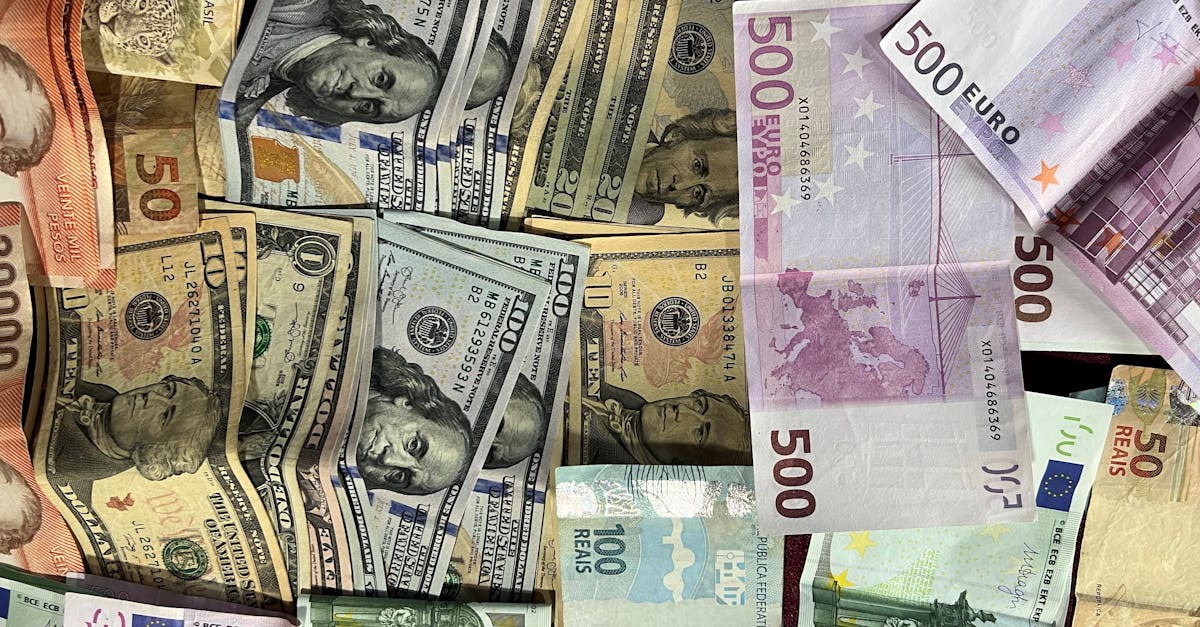
As the dollar strengthens against the euro, Maria feels a slight relief. The added revenue from Jake’s monthly remittance, equating to approximately $2,500 a month, affirms her decision to rely on these funds for essentials. Yet as the exchange rate slightly favors the euro, translating to a dollar worth just over 0.84 euros, Maria’s relief is short-lived. Every cent lost from the exchange affects their budget, squeezing their ability to stock the pantry and pay their bills.
In the first quarter of the year, inflation has nudged up to 3.3%, creating a taxing environment for families like Maria’s. While prices for groceries and basic necessities steadily climb due to inflation, the dollar’s trajectory changes continuously in the currency markets. For example, if the dollar were to dip sharply against the euro, turning each euro back into $1.19, it could result in $300 less for their monthly budget.
How Families Navigate Currency Currents
To visualize this disruption, imagine Maria needing to trade her groceries (roughly equivalent to $50 after discount) for the euros she might have received from Jake last month. Each grocery run now feels almost like a gamble as she checks the exchange rates before heading to the store. Unemployment at 4.3% adds another layer of stress as friends and neighbors express job concerns, limiting overall spending in the community; fewer fresh produce options can be found on sale as stock diminishes with less purchasing power.
Companies, too, feel the consequences of these shifts. Local businesses trying to import goods from Europe are faced with rising prices, thanks to the dollar’s weakening against the euro. A business owner might find that the same product he could have secured at $1,500 a month prior now costs him $1,800 due to unfavorable exchange rates. This pressure often manifests in higher prices for consumers, a burden Maria definitely feels when shopping.
Made even starker by the backdrop of the Fed’s current interest rate at 3.64%, which, combined with inflation rates, makes lending more expensive for businesses and families alike, the strain on finances is palpable. Families entrenched in a cycle of economic uncertainty grapple with how they can manage as costs climb. What was once taken for granted—staples for breakfast or weekend outings—becomes a balancing act on a tightrope of fluctuating foreign currencies.
Patterns from Past Experiences
Maria’s experience at the supermarket mirrors what many families across the United States have gone through over recent months. The exchange rate serves as both a direct contributor to her difficulties and a barometer of their overall economic health. While Jake continues to do his part across the ocean, the fluctuations in currency affect the family’s ability to maintain their lifestyle here at home.
Repeating the cycle, Maria continues to watch the rates turn day-to-day, pondering the effect of shifts that might help or hinder her family’s circumstances.
Returning to the Heart
After a long day, Maria returns home with her groceries—selected with care and precision, every dollar spent matters. The weekly call from Jake fills the house with warmth, reinforcing the family bond that even currency fluctuations cannot shatter. Yet, as they chat, Maria checks the latest exchange rate updates to gauge how far Jake’s next paycheck will stretch. It’s a reminder that economics is not just about numbers and charts; it directly influences lives, moments, and the little decisions that—and ultimately—make a family.
As the dollar interacts with the euro, families keep navigating each twist and turn, turning uncertainty into adaptability, one grocery run at a time.