A Family’s Dream Getaway Gone Awry
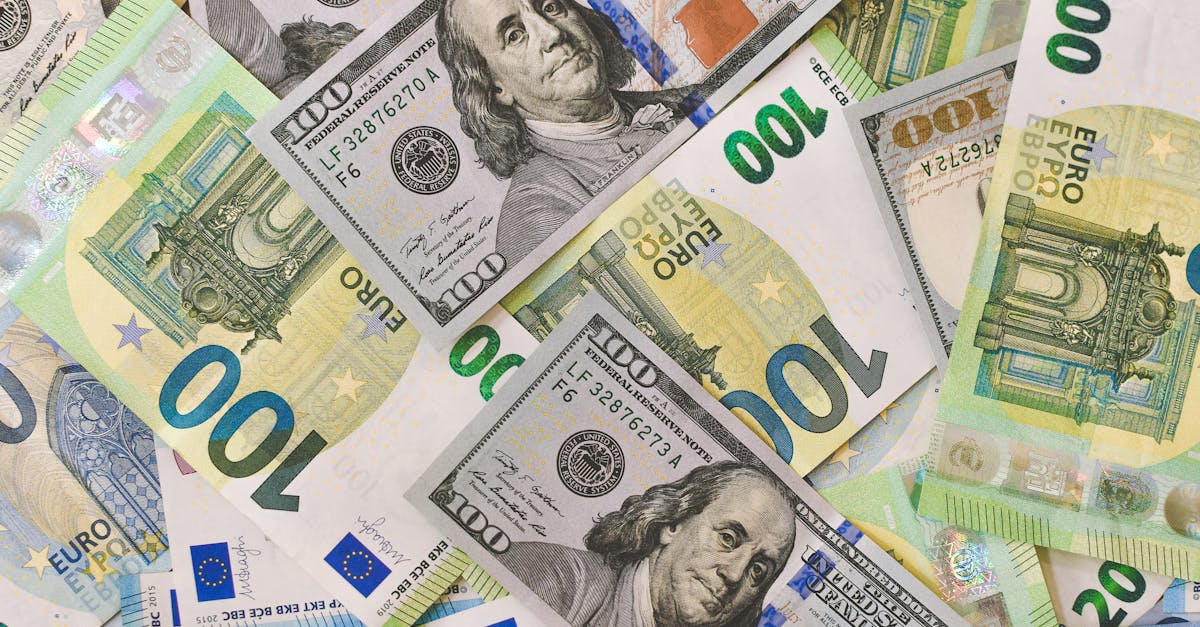
When the Johnson family sat around their kitchen table discussing summer vacation plans, the destination of choice was Italy. They had been saving for months to indulge in gelato on the streets of Florence and roam the ruins of the Colosseum in Rome. With an exchange rate hovering around 1.2 dollars to the euro, each dollar they set aside held a different value in euros — roughly $1,200 meant €1,000 in their vacation budget. But as they geared up for their journey, the dollar began to slip, and so did their dream.
The Daily Ripple of Currency Fluctuations
Changes in the currency markets can feel abstract, but for the Johnsons, that exchange rate change was personal. By the time they were ready to book their flight, the dollar had weakened, making it 1.25 dollars per euro. Suddenly, that same $1,200 was going to cover only €960 — a shortfall of €40. Little worries began to creep in like unexpected guests at a festive gathering. Should they cut back on sightseeing? Dine at fewer trattorias? The vibrant promise of Italy felt blunted, all thanks to an unseen force in the global markets.
Meanwhile, the broader American economy also felt the shimmer and shake of exchange rates. Inflation had ticked up to 3.8%, culminating in an environment that stretched family budgets even further. The comparative value of imported goods rose, and this naturally trickled down into higher prices at the grocery store — think of it as a tightened belt that made even lunch items a bit more costly. The Bureau of Labor Statistics showed that the inflation pressures were palpable, leading to a harder realization for families like the Johnsons.
The Business Side of the Equation
Across town, Steve, owner of a small coffee shop, noticed an uptick in purchases from international customers. His signature blends were well-liked, but as the dollar weakened against the euro, European tourists found his coffee a relative bargain. When they exchanged their euros, a cup of coffee — usually priced at $5 — now felt essentially cheaper. This brought an influx of business and sparked a fresh wave of excitement.
Yet, for every boon, market fluctuations have a flip side. Steve had been sourcing premium beans from South America, and with the dollar dipping, his costs began to rise. The latest data hinted that the Federal Reserve’s interest rates, currently at 3.64%, were also influencing him. While borrowing money became a tad more expensive, he had choices to make — could he absorb the rise in costs or increase prices to maintain his margins? The pressure of the exchange rate ripple was palpable as he plotted his next move.
The Working Class Dilemma
Then there was Linda, a nurse who had managed to save and invest for a once-in-a-lifetime opportunity to work abroad at a hospital in Germany. With the dollar’s recent decline, her anticipated salary in euros seemed less attractive than she had hoped. Once eyeing the prospect of taking home €3,000 a month, she now faced uncertainty, as her converted earnings would feel like a smaller paycheck back home, despite the initial allure of living in Europe.
With an unemployment rate of 4.3%, job security for Linda was something to hang onto. But as her friends considered similar moves abroad, she found herself in a competitive space where every euro enlisted its own narrative, based substantially on fluctuating exchange rates.
Ultimately, the Johnsons did find a way to enjoy their vacation, although perhaps with a tighter budget than intended. They reflected on the fact that, unknowingly, their summer getaway had become a microcosm of the greater economic landscape, shaped by the whims of currency markets. A cup of imported coffee, the price of gelato, and even a paycheck all narrate the complexities and nuanced realities of an interconnected world where exchange rates have more influence than meets the eye.
A Shared Journey
Whether it’s realizing dreams of travel or managing a business, the impact of exchange rates is woven into the fabric of life in the United States. Stories of the Johnson family, Steve’s shop, and Linda’s adventure illuminate just how much the economy weaves its threads through our daily choices, reminding us that even currency can tell a story — one where each family member, each customer, and each worker plays a critical role.