The Ripple Effect of Exchange Rates on Everyday Life
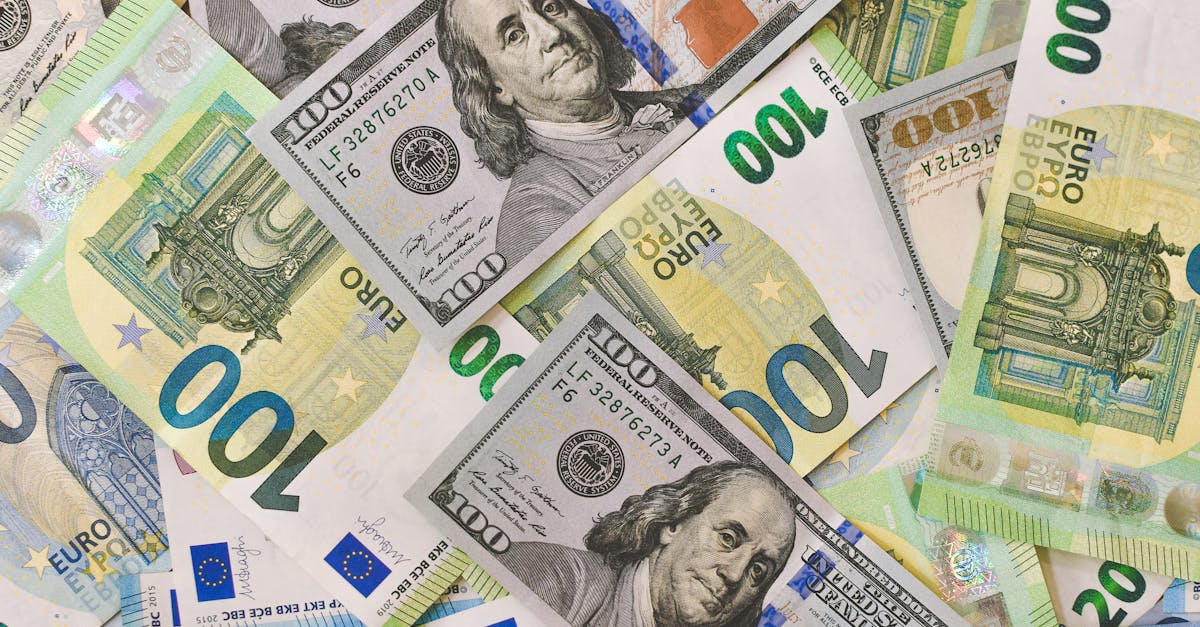
The Johnson family had made plans for a simple vacation across the Atlantic, dreaming of London’s historic sights and quaint cafes. However, as they logged into their banking app to finalize their currency exchanges, they were met with an unpleasant surprise. The exchange rate between the U.S. dollar and the British pound had shifted unfavorably. Just weeks before, the exchange rate hovered around 1.35—meaning $1 would buy them roughly £0.74. Now, they were faced with a rate of 1.45. This new math translated to their precious vacation budget becoming nearly 10% smaller overnight. For a family of four, that transformation meant cutting back on dinners and experiences that had originally felt affordable.
Dollars and Sense in a Shifting Landscape
Exchange rates are not mere numbers flitting across screens; they breathe life into families’ aspirations and businesses’ bottom lines. The U.S. dollar’s strength can greatly shift the economics of cash-strapped consumers and ambitious businesses alike. As the Johnsons grappled with their scaled-back holiday plans, American companies importing goods from Europe faced a similar dilemma. The increased cost of euros against a strong dollar impacts everything from the price of raw materials to the final cost of consumer products.
Consider a local coffee shop sourcing its artisanal beans from Ethiopia. If the dollar strengthens against the Ethiopian birr, the shop might enjoy reduced costs, but if it weakens, suddenly their expenses soar. With inflation currently sitting at 2.4%, every cent counts. For small businesses, absorbed costs can either lead to a bump in prices or a squeeze on profit margins. If a business owner thinks of interest rates currently at 3.64%, borrowing becomes even less attractive when these unpredictable exchange rates redefine their financial calculations.
Families, Workers, and Corporate Realities
Now, picture Anna, a dedicated factory worker. Her company exports machinery to various countries, relying on international sales to remain profitable. With recent fluctuations in the dollar, this export market seems both a blessing and a burden. When the dollar is strong, foreign buyers can find American goods more expensive, possibly resulting in lower demand. Conversely, a weaker dollar can boost exports, but Anna’s job remains tethered to the ever-changing balance of these exchange rates.
The unemployment rate at 4.4% indicates a relatively tight labor market, but positions linked to export performance can be particularly vulnerable to foreign exchange shifts. Workers like Anna may find themselves at the mercy of broader economic currents, their job security influenced by the whims of the currency market.
A Deeper Look into The Currency Underbelly
The complex relationship between consumer behavior and exchange rates can also impact tourism. As exchange rates fluctuate, they create ripples impacting not just travelers but entire sectors, from hospitality to retail. The Johnsons’ planned trip to London faced the potential of becoming a litmus test of how globalization entwines family budgets with the larger economy; their experiences pivoted precariously on that single exchange rate.
Moreover, this dynamic reaches beyond individual vacations or family expenses. It frames the broader U.S. economy and its ability to navigate a world that grows increasingly interconnected. As domestic and global markets react to shifts, the U.S. dollar’s performance can serve as a barometer for economic health. For example, the actions of the Federal Reserve and interest rate decisions inform how business leaders plan for the future. With rates currently at 3.64%, their ramifications echo through all sectors.
Full Circle: From Family Dreams to Global Markets
As the Johnson family re-evaluates their London plans, they are just one of many families experiencing the real-world impacts of shifting exchange rates. The unfortunate changes to their vacation budget represent a broader economic truth that resonates within households and corporations across the nation.
Every exchange can echo across communities, shaping spending habits and influencing market conditions. Whether it’s the simple joy of a family vacation or the complexities of international business transactions, the story of the dollar is woven into the fabric of American life. Just as Anna supports her factory work amidst unpredictable shifts, so too does every American adapt to the complex dance of economy and exchange—each step revealing how deeply intertwined our lives are with the strength of currency.