The Cost of a Family Vacation
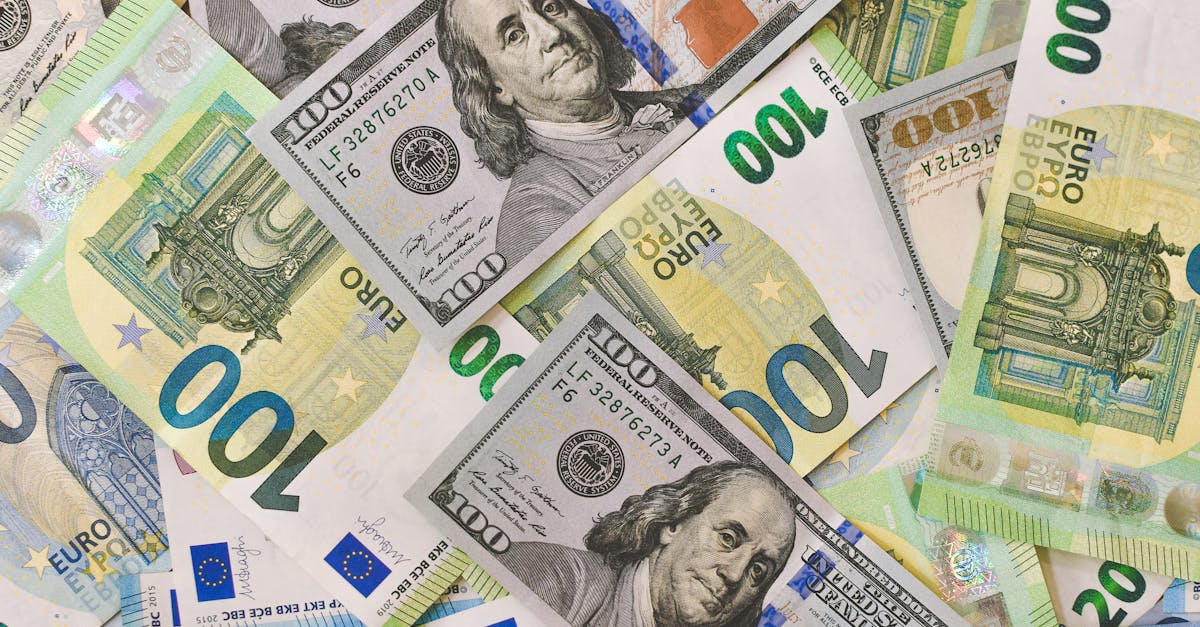
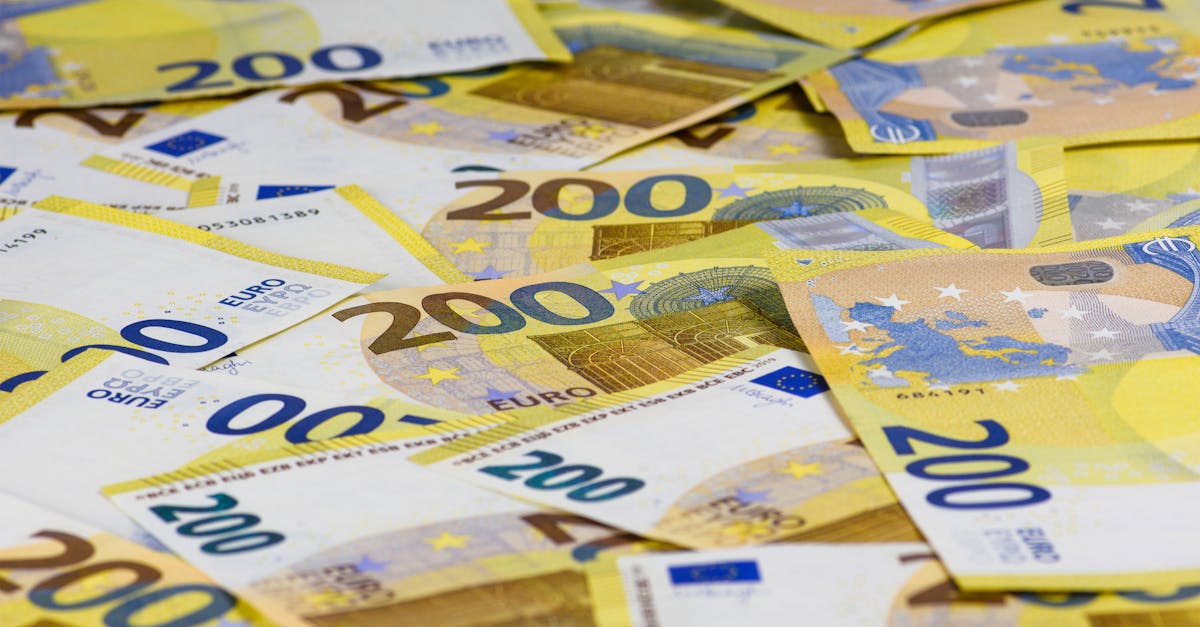
Meet the Ramirez family, enthusiastic about their upcoming trip to Europe. As they gather around the dinner table, Mom excitedly suggests they explore Italy, while Dad eagerly pulls out a travel guide. With the Euro currently trading at 1.10 against the dollar, the vacation is going to cost them more than they had expected. This exchange rate translates to every meal and ticket costing roughly 10% more than last summer when they last checked.
The cost of their adventure isn’t just in flights and hotels; it involves careful budgeting. With inflation sitting at 2.4%, the family finds themselves grappling with everyday prices skyrocketing in their home state. A simple grocery list has already seen staples rise, squeezing their travel budget tighter. A loaf of bread, once a dependable staple, now nudges towards $3 due to the persistent pressure of inflation on household finances.
Business Decisions and the Global Marketplace
As the Ramirez family dreams of gelato under the Italian sun, across town, Jane runs her own small business selling artisanal home goods. She imports beautiful crafts from Europe, where the same Euro exchange rate affects her costs. This year, her imported wares cost approximately 8% more, striking right at her margins. Jane realizes that she must either increase prices or absorb the higher costs, risking her customer base’s loyalty.
For Jane, fluctuations in the exchange rate are not just numbers in a financial report; they’re a delicate dance of pricing and profitability. Interest rates, currently at 3.64%, complicate matters further, as the cost of financing her stock shipments increases. If she decides to borrow to mitigate these costs, she might find herself in deeper financial waters than anticipated.
Workers Affected by Currency Values
Meanwhile, consider Tom, a skilled worker in the tech sector. He’s been eyeing job offers from companies that have expanded their operations internationally. With a strong dollar, opportunities abroad become tempting, but he must weigh the financial viability. Working in a company that operates in Europe pays salaries in Euros. If the dollar remains strong and the Euro weakens, Tom’s salary, when converted back to dollars, diminishes in purchasing power — an unsettling thought as inflation quietly rises at home.
He compares the appeal of moving abroad to buying a new car. In a less stable economic climate, every dollar matters. Just like his decision to purchase a vehicle based on interest rates and maintenance costs, he knows he has to consider how these economic indicators shape his choices on work.
Full Circle: Travel and Trade in the Real World
Back to the Ramirez family, who sit down to review their budget one last time before their European adventure. Mom calculates whether they can afford an extra day or two in Rome, aware every decision is twofold; it’s about aspiration, yes, but also about the grim realities of financial currents dictated by exchange rates.
With the family’s plans evolving amid rising costs, the interplay of international monetary values suddenly seems far less abstract. The anticipated thrill of exploring a new culture is tainted by the tangible impacts of a fluctuating Euro and inflation’s grip at home. Travel might still be within reach, but it requires adjustments in their dreams — a little less fine dining, perhaps more walking tours rather than costly excursions.
The Ramirez family’s story encapsulates the uncertainty of modern economic realities, where every decision branches out to affect interconnected lives. In the great economic tapestry of exchange rates and employment, the peaks and valleys shape aspirations, budgets, and ultimately, the heart of daily life in America.