A Family’s Dream Trip to Paris
Imagine the Johnson family, bursting with excitement as they plan a long-awaited trip to Paris. For them, this journey means creating memories that will last a lifetime, but as they check their travel budget, concerns about exchange rates begin to ripple through their joy.
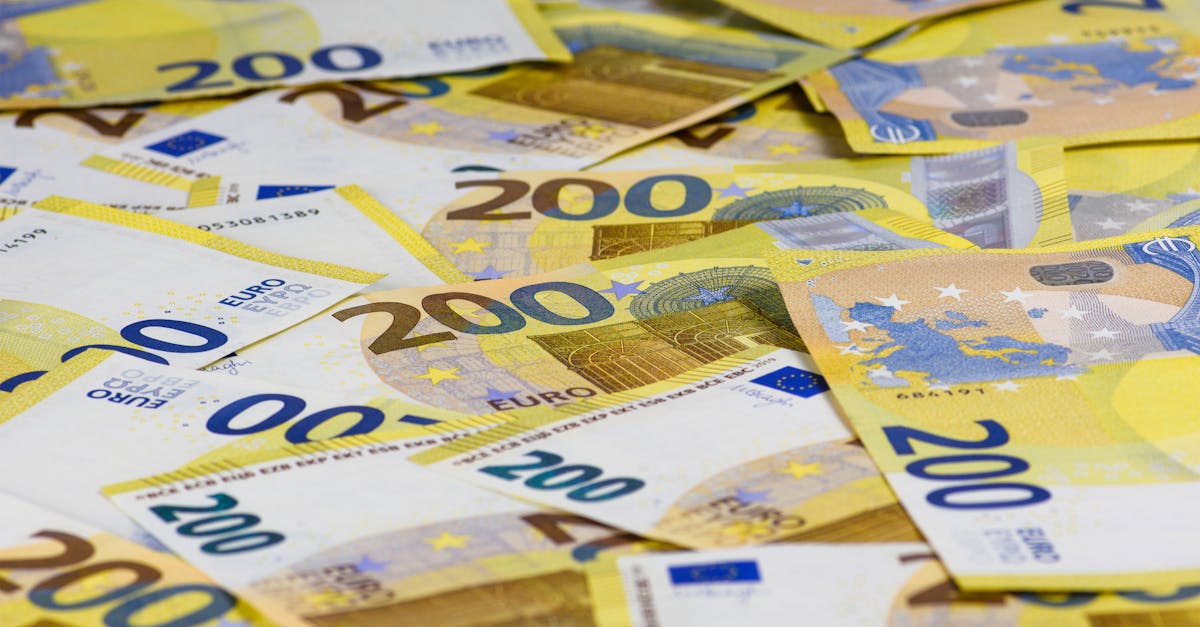
As of now, the dollar stands robust against the euro—one dollar translates into nearly 0.85 euros. With the current exchange rate, a charming café in Montmartre could cost the family about 20 euros, or roughly $24. However, just a few months prior, when the exchange rate dipped to 0.90 euros per dollar, the same meal would have set them back about $22, a slight but meaningful difference for a family trying to stretch their vacation budget.
Shifting Sands of Currency
The strength of the U.S. dollar isn’t merely a stroke of fortune. It’s a product of various factors, including interest rates and inflation. At 3.64%, the Federal Reserve has kept interest rates relatively high, aiming to control inflation, which sits at 2.4%. For the Johnsons, these interest rates mean their savings are earning more while they prepare for their trip, but it also signifies that the Fed’s policy decisions could have repercussions on their travel expenses.
The family’s enthusiasm becomes tempered by the reality that when the dollar strengthens, American exports might struggle overseas. This isn’t just a problem for global trade but also for local businesses that rely on international shoppers.
The Business Angle - A Local Bakery’s Dilemma
Let’s pivot to Sweet Treats, a local bakery owned by Maria. She sources fine chocolates from Belgium, where the cost has also fluctuated with exchange rates. Currently, Sweet Treats pays about $15 for a kilogram of chocolate due to the favorable exchange rate. A year ago, when the rate was less favorable, that same kilogram cost her $17. Maria’s success hinges on maintaining her prices to customers while ensuring a quality product. The current rate means she can sell her famous chocolate croissants at $3.50 instead of $4, making her goods both inspired and affordable for the community.
Yet, these advantages come with caution. If the dollar weakens, not only would Maria pay more for her ingredients, but she would also face pressure to raise prices, potentially driving away customers. Small businesses like hers operate on razor-thin margins, and a change in exchange rates could be the difference between thriving and merely surviving.
The Worker’s Reality
As we follow this narrative further afield, consider Tom, a software engineer working for a multinational company. His firm often engages with clients in Europe, and Tom benefits directly from favorable exchange rates. When his company cashes in on European contracts, the earnings get translated back to dollars. A robust dollar means his employer writes heftier checks back home but could also signal tight margins elsewhere in the company, leading to scrutiny on hiring.
This phenomenon is reflected in the Bureau of Labor Statistics’ data, showing unemployment at 4.4%. A tight labor market means that while Tom feels secure in his position today, movements in exchange rates could shift business strategies, potentially impacting future job security.
Closing the Loop
Returning to the Johnsons, their vacation plans carry the weight of global financial currents. The allure of Paris is still strong, buoyed by the dollar’s performance, yet the possibilities for rising costs loom larger as the family embarks on their journey. In a world dominated by fluctuations in currency values, their adventure serves as a microcosm of a larger narrative—one where the significance of exchange rates extends far beyond mere numbers on a screen, influencing everyday decisions and aspirations across the United States.
Ultimately, whether it’s a family outing, a local bakery thriving, or a job at risk, every transaction is marked by these invisible forces that weave together the fabric of our economy.