A Family’s Planned Adventure
The Johnsons, a family of four living in New Jersey, have been saving for a dream vacation in Europe for the past three years. Their eyes are set on the allure of Paris, the art of Florence, and the breathtaking sights of Madrid. They’ve calculated every detail: flights, accommodations, meals, and yes, the inevitable purchases of mementos to take back home. With each passing dollar weakening against the euro, their excitement is now laced with urgency—yet another reminder that the currency exchange rate is a relentless force shaping reality.
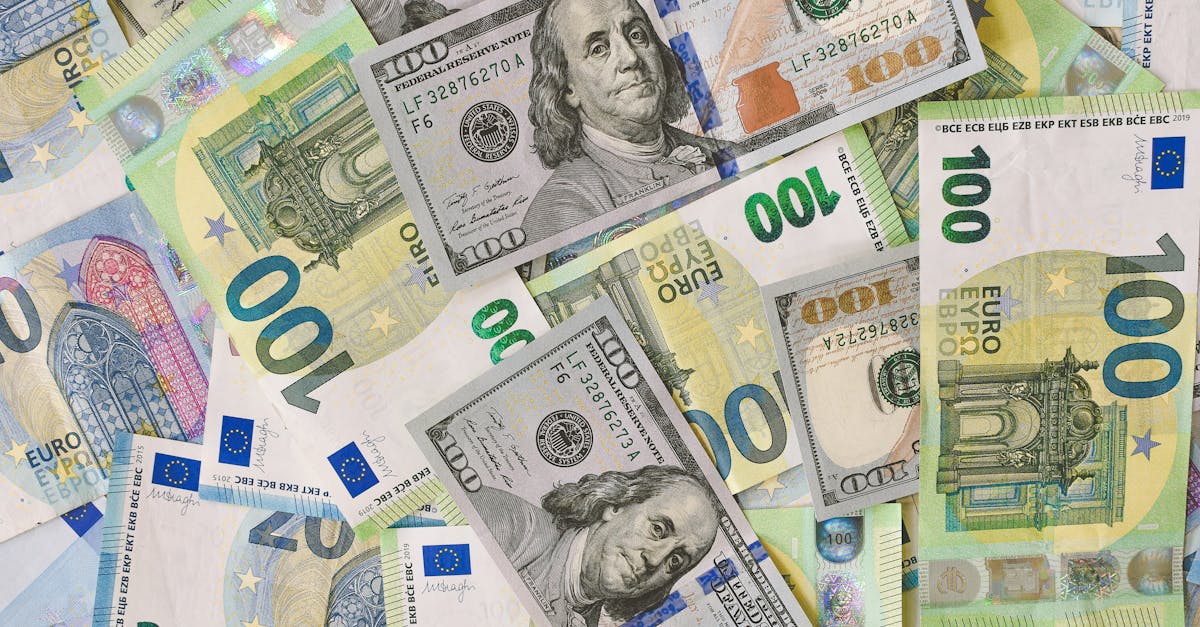
As of late March, the euro was hovering around 1.10 to the dollar—a shift that proved momentous for the Johnsons. If they had booked their vacation a year ago, for every dollar exchanged, they would have received approximately 0.91 euros. Today, that same dollar yields only about 0.91 euros. A stark difference when you’re budgeting for an extensive trip abroad.
Dollars and Cents: The Numbers at Play
The Bureau of Labor Statistics recently reported inflation at a steady 3.3%. For the Johnsons, this isn’t just a number; it translates into higher prices for goods and services at home and further complicates their overseas spending. Shrinking purchasing power means that they now have to adjust their expectations. A meal that might have cost them 50 euros or roughly $55 last year will now set them back around $60. That’s a tangible increase, and with a family of four, the costs multiply quickly.
Meanwhile, the current average unemployment rate stands at 4.3%. For families across the nation, this means that job security is somewhat stabilized, allowing many to still consider travel plans despite external forces like currency fluctuations. But not every family shares the Johnsons’ security; job openings vary significantly by region, affecting many who might once have considered traveling abroad.
And let’s not forget the broader implications of interest rates. As of early April, the Federal Reserve set the interest rate at 3.64%. Imagine wanting to secure a personal loan to fund that European getaway—soaring interest rates can cripple even the best-laid plans. Higher borrowing costs mean that every dollar the Johnsons borrow for their trip will cost them significantly more, squeezing their budget tighter as exchange rates flirt with highs not seen in recent memory.
The Business Side of Currency Exchange
While the Johnsons ponder their fate, consider the owner of a small import business in California. Flora runs a family-owned boutique specializing in European goods, now faced with rising prices from overseas suppliers. Due to the current exchange rate dynamics, goods priced in euros are considerably more expensive when they reach U.S. shores. This not only tightens Flora’s profit margins but also forces her to consider raising prices at her shop, which risks turning off her loyal customers amid already high inflation.
Flora wrestles with a decision: raise prices and risk losing customers, or absorb the cost and gamble on the strength of the dollar improving in the near future. Similar dilemmas are echoing throughout the economy—many businesses are caught in a tight squeeze, with rising costs from foreign suppliers translating into fewer sales across the board.
Full Circle to the Johnsons
Back in New Jersey, the Johnsons find themselves navigating unfamiliar financial waters as they finalize their travel plans. Facing higher costs in Europe alongside pressured budgets at home, they decide to cut back on some of their activities. Rather than enjoying a gourmet dinner each evening, they opt for local cafés. Instead of splurging on souvenirs, they plan a single, meaningful purchase to commemorate their trip.
In this interconnected world, the trials of the Johnson family and Flora’s boutique represent a microcosm of the larger U.S. economy. The swaying pendulum of exchange rates doesn’t just affect the financial elites; it ripples through everyday lives, influencing decisions both small and momentous. Their stories remind us that in the dance of global currency, we are all participants—each dollar exchanged encapsulating dreams, businesses, and the very fabric of our economy.