A Summer Dream Turns Complicated
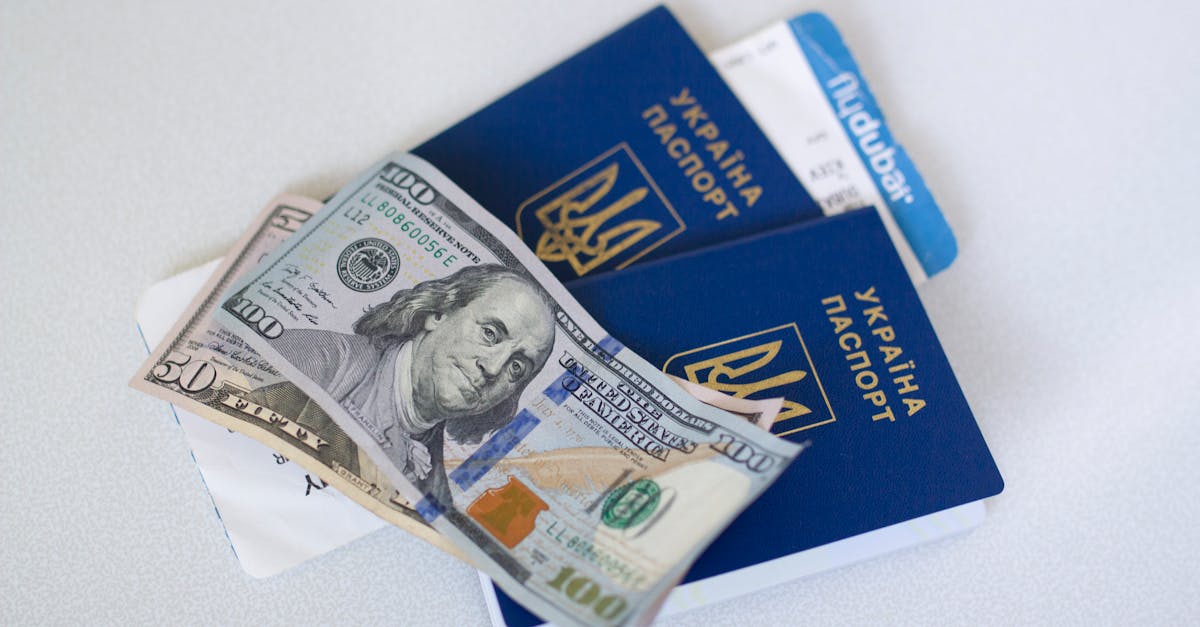
A warm June day finds the Martinez family huddled around their kitchen table, fruit juice and pancakes strewn across the surface. For the last few months, they had been eyeing a trip to Spain, a long-awaited getaway to immerse themselves in the culture and cuisine they had been dreaming about for years. However, a fresh headache has emerged. The dollar has not been as strong against the euro lately, and this has sent the family’s budget into a flurry of refiguring and recalculating.
With each euro now costing the Martinezes about $1.10—down from $1.05 just a few months prior—the costs of their anticipated European adventure have suddenly jumped. The family initially estimated they’d spend around $4,000, but this increase in the exchange rate means that the vacation’s exact price tag has swelled to approximately $4,400. It’s a difference of about $400, money that could have easily funded various activities they had planned.
The Broader Economic Canvas
As summer approaches, the exchange rate landscape for the dollar remains dynamic. Inflation, while feeling manageable with the latest figures showing 2.4% as of early February, has affected costs across various sectors. Even while consumer prices have stabilized somewhat, the ongoing fluctuations in the currency market have rendered foreign trips more expensive, causing families like the Martinezes to reconsider their plans or adjust their budgets.
The family’s experience is echoed in the economic data regarding consumer behavior. The current unemployment rate is at 4.4%, and many people feel the pinch of wages not keeping pace with inflation, causing consumers to be more cautious with their spending. When facing challenges like a fluctuating exchange rate, the budgetary responses of average households become increasingly significant as they reflect broader economic sentiments. A family heading to visit relatives in Europe or take a long-desired vacation can feel the pulse of the economy in their choices.
Small Business Tug-of-War
Across town, Maria has just opened a small café specializing in imported Italian coffee. Her initial excitement has been replaced with concern due to the increasing strain caused by a weaker dollar. She has witnessed firsthand how her coffee supplier in Italy has begun raising prices when converting euros to dollars. Just last month, Maria was paying $3 per pound of beans; now it’s crept up to $3.30. Every cent matters for a budding business, affecting the prices she needs to set to maintain her margins.
To illustrate, with every euro sliding slightly higher against the dollar, she must decide whether to absorb the cost or pass it along to her still price-sensitive customers. Given that many are drawn in from the nearby office buildings, Maria opts to keep prices steady, risking her profit margins in hopes that steady sales volume will compensate. Her decisions hinge upon the intersection of global finance and local economies, reminding us that exchange rates do not merely reflect numbers, but embody real consequences.
Circling Back to Family Decisions
Meanwhile, back at the Martinez household, as inflation stabilizes and interest rates hover at 3.64%, the family’s budget has taken a hit. The father jokes about vacationing in New Jersey instead; laughter fills the room, but the gravity of their situation hangs in the air. They recalibrate expectations—a more restrained itinerary, perhaps scale down dining choices, or even delay the trip for better circumstances.
The Martinezes’ scenario is emblematic of how exchange rates influence individual experiences within a larger economic ecosystem. While the world of finance seems distant to many, individual families, small businesses, and everyday decisions are all intertwined with these fluctuating metrics, revealing the Human Economy behind the numbers.