A Family’s Journey to Europe
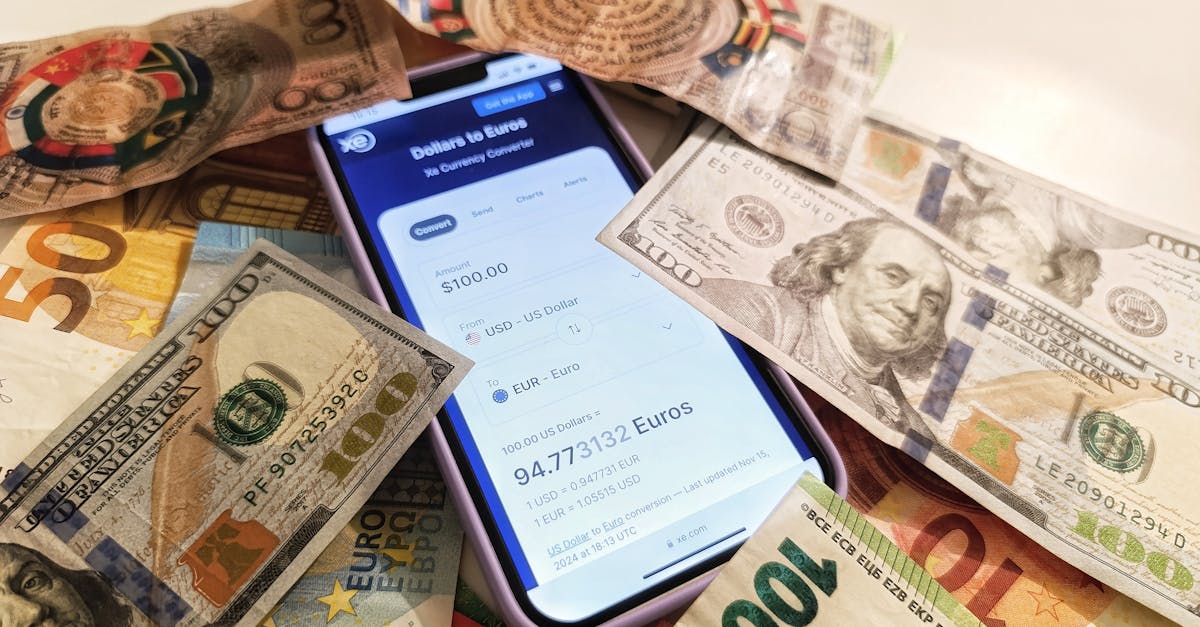
Imagine the Reyes family, eagerly preparing for their long-awaited trip to Europe, with dreams of strolling through Paris’ cobbled streets and enjoying authentic Italian cuisine. As they gathered their savings, the family felt hopeful, yet uncertain about their exchange rate against the euro. When they made their initial calculations in January, it took roughly 1.10 dollars to buy one euro. Fast forward to today, and that figure has shifted to approximately 1.15 dollars per euro.
With the dollar now buying fewer euros than before, the Reyes family faces a choice: they can either scale back on experiences or dig deeper into their savings. For a $5,000 budget that they initially thought would allow for a comfortable exploration, the sudden increase in costs means they’ll need to adjust from roughly 4,545 euros to around 4,347 euros simply due to the exchange rate fluctuations. That’s a difference of over 200 euros, which might mean missing out on that tour of the Louvre or a few gelatos along the way.
The Bigger Picture of Dollar Dynamics
The mechanics of exchange rates are often perceived as abstract, but for everyday citizens like the Reyes family, these changes can make or break travel aspirations. The broader implications of currency valuation also touch countless American businesses and workers. For instance, many exporters leverage a strong dollar to increase their competitiveness abroad. However, when inflation hovers at 3.3%, the benefits of a sturdy dollar can be mitigated.
Consider how shifting exchange rates, alongside domestic factors, can redefine profitability in the agriculture sector. American wheat exporters have historically benefited from a favorable foreign exchange rate as countries like Brazil and the EU view U.S. wheat as a high-quality commodity. But with rising inflation eroding purchasing power and competitive pressures from other wheat-producing nations, even a strong dollar may not suffice. Farmers must navigate not only market conditions but also the complex web of exchange rates which impact the price they receive overseas.
Laborers and the Exchange Rate Tango
Then, there are the countless American workers employed in manufacturing, which has seen turbulent tides influenced by both local and global economic factors. A recent report from the Bureau of Labor Statistics indicates an unemployment rate of 4.3%, suggesting a labor market that still has challenges ahead. The exchange rate plays a role here too; weaker demand for exports due to unfavorable dollar value might prompt companies to downsize or freeze hiring, leaving workers feeling long-term uncertainty. The intersection of exchange rates and domestic economic conditions creates a tapestry of interconnected outcomes that can have lasting impacts.
Bringing It Full Circle
As the Reyes family continues their preparations, they’ll have to make tougher choices based on their revised budget. Every dollar saved now means more freedom to indulge in their cherished dreams abroad, but they feel the tightening grip of shifting economic dynamics. Just like them, American families and businesses constantly navigate the unpredictable currents of currency fluctuations, inflation, and interest rates, which, currently sitting at 3.64%, define the economic landscape.
In the end, each exchange rate shift whispers a story of economic connectivity—between families anticipating a trip, farmers hoping to prosper, and workers chasing stability. The world is more interconnected than ever, and the dollar’s journey remains a vast landscape, rich with narratives woven from real lives.