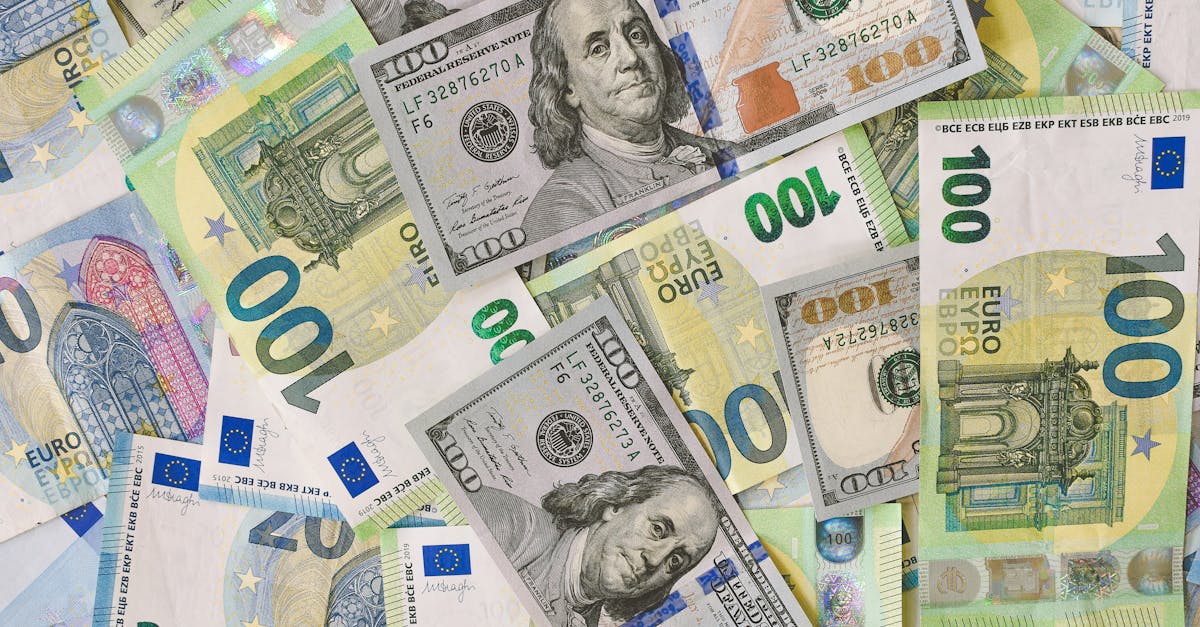
Imagine Rachel and David, a couple living in suburban Chicago with two young kids. They’ve spent the past year diligently saving for a family trip to Europe—a dream vacation that would take them to the Eiffel Tower, through the canals of Venice, and among the ruins of Rome. Just last week, with excitement bubbling, they checked the euro-to-dollar exchange rate, only to feel a pinch in their plans.
As the sun set over their backyard, Rachel sighed while watching the evening news. The exchange rate had shifted unfavorably, now sitting at 1.10 euros for every dollar. Over the past few months, this tiny fluctuation meant that their anticipated budget of $5,000 suddenly felt under pressure. If they rolled out euros at this rate, their dollar power had dwindled by 10%. Instead of lavish dinners in quaint cafés, they might have to skimp on experiences, potentially spending their days roaming Italy’s rich history instead of indulging in its gastronomy.
Diving deeper into the numbers, the impact of the exchange rate isn’t just confined to travel plans. It resonates throughout the economy, intertwining with pressing domestic challenges such as inflation. As of March, inflation stood at 3.3%. This creeping rate means that every dollar saved has diminished purchasing power, and when paired with an unstable currency exchange, Rachel and David’s planning becomes a careful tightrope walk between aspiration and reality.
Currency Turbulence: A Broader View
While Rachel and David’s situation reflects individual hardships, businesses too are adjusting their sails to navigate these choppy waters. Consider a small business like Eric’s gourmet food shop, which sources its ingredients from across the globe. With 30% of supplies imported, a rise in the euro’s value can shape costs significantly. Previously, a bulk shipment costing $10,000 would set Eric back 9,090 euros; now, with the rate’s bounce, he finds himself allocating over 9,500 euros, eating into his already strained margins amid rising interest rates of 3.64%.
This dual assault of currency valuation and inflation could mean trickier times ahead. If Eric raises prices to remain profitable, his customers—many also consumers like Rachel and David—might shy away from spending.
Shifting the Focus: The Bigger Picture
The tangled web of exchange rates is not an isolated issue; it interacts closely with domestic unemployment, recorded at 4.3% as of March. Every shift in currency affects job stability. Export-driven businesses may face a decline in sales if foreign buyers find American goods pricier due to a stronger dollar. The fewer sales could result in slower hiring or even layoffs, a reality many families would dread.
As Rachel and David recalibrate their budget and Eric adjusts his inventory prices, the dollar’s performance translates into real-life consequences. Whether it’s planning a European getaway or ensuring a bouquet of artisanal cheeses finds its way onto shelves, the stakes rise with every tick of the exchange rate. The fabric of family life and business operations is intricately woven with these monetary values.
At the dinner table, Rachel shared how the euro’s increase meant smaller vacation experiences. They now have to rethink their itinerary for less-expensive scenic routes. David chimed in about potentially diverting some budget for onsite activities rather than lavish dining experiences. The once-eager trip transformed into a mill of negotiations, reminding them both how currency movements could truncate dreams.
In a world where every decimal point counts, families and businesses alike continue to engage in a delicate dance with dollars and euros. And as they navigate their finances amidst inflation and rising interest rates, the essence of their stories is captured in each decision made.