A Trip to the Market
In a quaint suburban neighborhood of Ohio, the Garcia family prepares for their annual overseas vacation. Maria and Alan Garcia have saved for months to take their two children, Sofia and Marco, on a dream trip to Europe. However, as they sit around the dinner table discussing their itinerary, the conversation shifts to the dollar’s performance against the euro—a matter far removed from their everyday lives but one that will heavily influence their adventure.
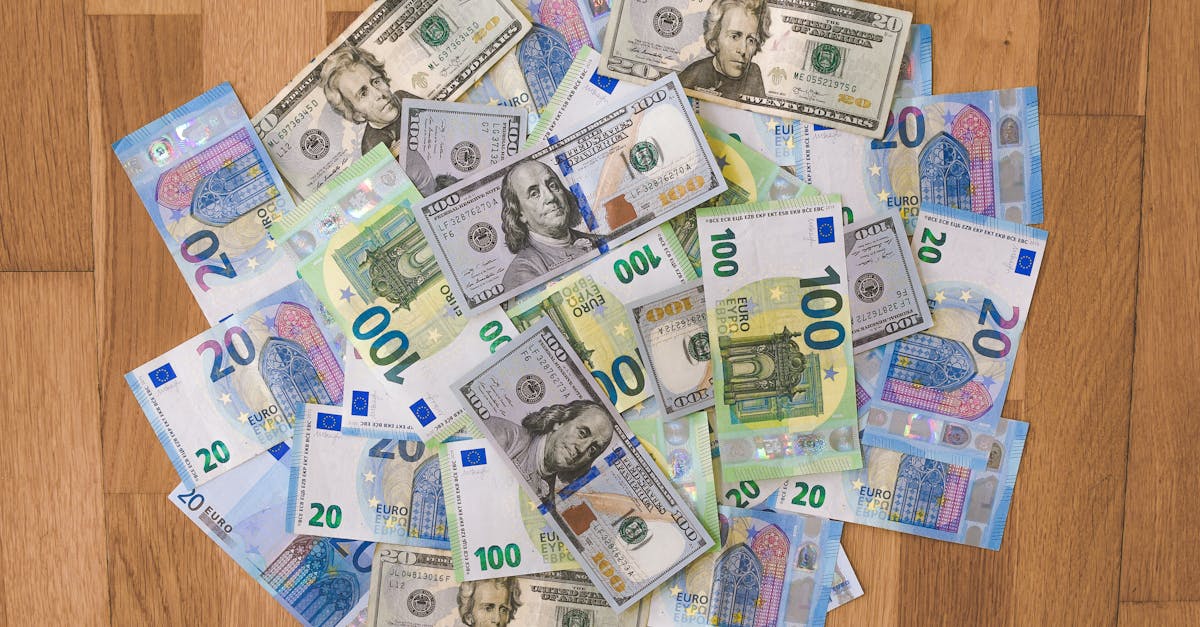
The Garcias recall a similar trip five years back, when a single euro cost just about $1.10. Now, with the current exchange rate hovering around $1.20, a simple meal in Paris has become more expensive. For instance, in 2018, that charming café would have charged them €50 for dinner, roughly equivalent to $55. Today, the same meal would set them back $60, thanks to the stronger euro. With their budget more constrained under these circumstances, each slice of quiche and glass of wine feels more significant.
The Dollar’s Twists and Turns
The fluctuations in exchange rates are complex, impacted by various factors including inflation and interest rates. As of the most recent economic updates, the United States boasts an inflation rate of 2.4%. While the Garcias might chalk this up to rising grocery bills, the inflation landscape also bears upon international purchasing power. Higher inflation domestically generally weakens the dollar, making other currencies more appealing.
At the same time, the U.S. unemployment rate rests at 4.4%, suggesting a tight labor market. When employment is relatively stable, consumers like the Garcias are better positioned to spend, albeit with careful consideration of their overseas purchases that now feel heftier.
Additionally, interest rates, currently at 3.64%, play a pivotal role. Higher interest rates can attract foreign investments into U.S. assets like bonds, which in turn can bolster the dollar’s strength. However, while this is beneficial for those investing in American markets, it casts a shadow on American tourists abroad, straining their wallets in countries where they exchange currency.
A Story of Everyday Choices
As their departure date approaches, the Garcias start adjusting their plans. Instead of dining out every evening, they decide to indulge in local bakeries for breakfast and pack picnics for their excursions. Maria jokes that they’ll have to link arms to carry their baguettes and pastries, saving money for the sights instead of lavish meals. They can still share ice cream on a sunny street, but now balancing a budget feels like an adventure of its own.
These daily decisions reflect the broader realities of many American families who find their traveling plans dented by the exchange rate’s unpredictable dance. As Alan reminds the kids, while the dollar’s dipping popularity might shift their travel dynamics, the essence of their trip is still about family, exploration, and experience.
Homeward Bound
Upon return from their trip, the Garcias can’t help but reflect on their experiences both abroad and at home. The dollar’s performance undoubtedly influenced their vacation, but more importantly, it brought the family together in unexpected ways. They learned to embrace creativity—whether it was hunting for meal deals or seeking alternative experiences. The trip taught them that while currency exchange can dramatically alter plans, shared moments and memories remain priceless.
Just as the euro rises and falls, so does the value of what truly makes life enjoyable. In the end, the Garcias returned not just with souvenirs, but with stories of adaptability, negotiation, and lessons in economics that went beyond mere numbers.