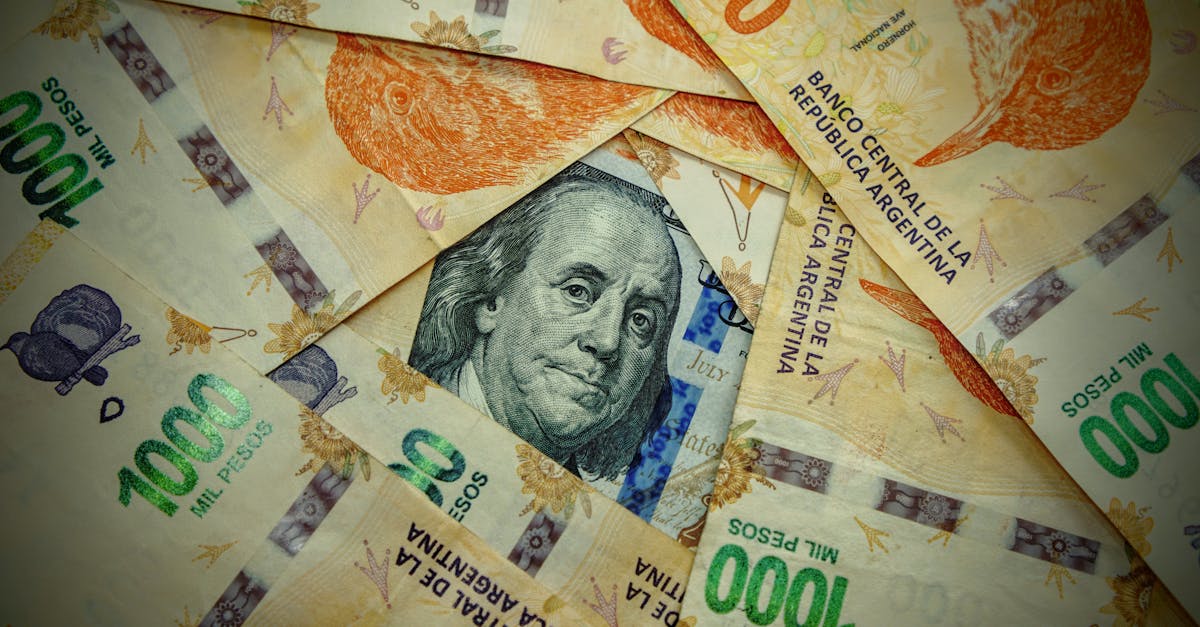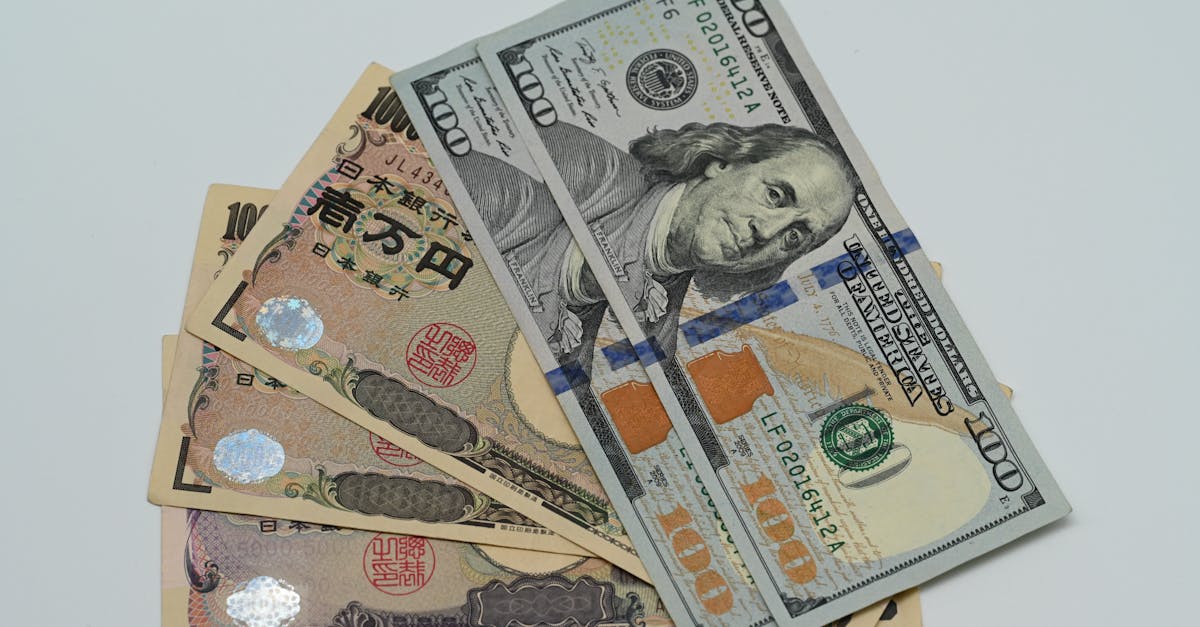
As Sarah sat at the kitchen table, her laptop open to a sea of shopping options, she couldn’t shake the feeling of uncertainty. With school supplies for her two children on her checklist, she noticed that a favorite brand of shoes—imported from overseas—had seen its price rise by 10% over the last few months. The exchange rate fluctuations had transformed her cautious optimism into a budgetary scramble. The dollar was not stretching as far as it used to, and Sarah, as most American families, was grappling with the real-life implications of a volatile currency.
In the first quarter of this year, the exchange rate for the dollar witnessed significant fluctuations against other currencies, notably the Euro and the British Pound. With the dollar’s purchasing power decreasing due to inflation sitting at 3.3%, Sarah’s experience echoed a larger economic narrative playing out across the nation. Families are subtly navigating the complexities introduced by international finance even as they shop for daily necessities.
Let’s consider the numbers: more than 4.3% of Americans are currently unemployed, which shakes consumer confidence. Many, like Sarah, rely on a stable job to support their families. With an interest rate hovering around 3.64%, financing options have tightened. For example, if Sarah decided to finance her purchases through credit—common practice amid rising costs—the interest she would face could be a double-edged sword.
As she calculated the costs, Sarah remembered a family trip planned to visit relatives abroad. Suddenly, travel seemed daunting. The cost of the trip began to feel like a step too far. The dollar’s recent weakening affected her family directly; a hotel in Paris, previously priced at the equivalent of $200 a night, now demanded over $220 in dollar terms. That $20 gap, while it might seem slight, represented a day’s worth of food and entertainment for her family.
It’s not just vacations that feel the pinch. Businesses exporting goods must also rethink their strategies. Take a local bakery on the corner, which sources organic cacao from South America. As the dollar faltered, the bakery’s input costs rose, forcing it to either raise prices or absorb the costs, potentially thinning its profit margins. Small businesses like this are critical to the economic fabric but can be fragile in the face of currency swings.
While Sarah faced rising prices at her favorite shoe store, it was a stark reminder of the interconnected world we live in. The dollar’s standing in global markets impacts everything—jobs, prices, and even potential getaways. The international dance of currencies is intricate; the rhythms affect her family’s weekly budget, as well as the sustainability of local businesses.
As Sarah wrapped up her budget calculations, she felt an overwhelming sense of responsibility, like many Americans today. She wasn’t just deciding on shoes for her children—she was navigating a world influenced by inflation, unemployment, and interest rates. Each decision carries weight, not just in dollars and cents but in what it means for her family’s financial future.
As the clock ticked towards dinner, Sarah made her choice, opting for a more affordable brand of shoes. The decision felt pragmatic but tinged with the reality of a shifting exchange rate. A simple act of shopping required engagement with a complex global landscape. Back to square one, she realized that every dollar spent is not just a simple transaction but part of a larger tapestry woven over borders—a reminder that the dollar truly dances to a beat beyond the household’s walls.