A Family Vacation Foregone
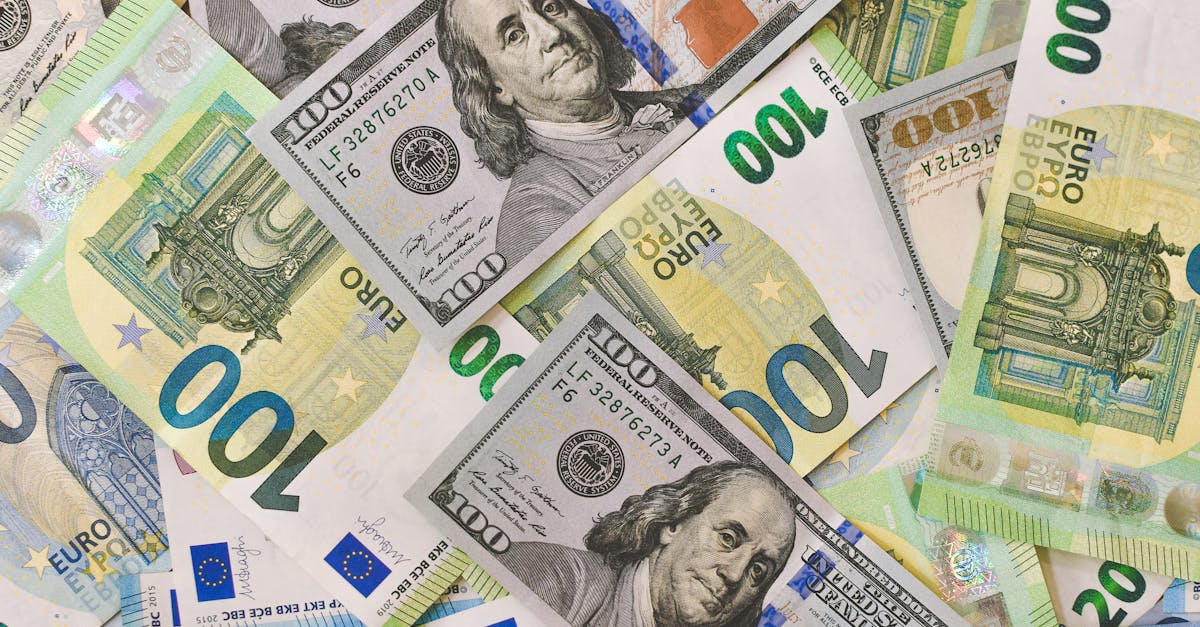
Imagine the Johnson family, a quintessential middle-class American household, eagerly planning a summer getaway to Europe. They have their eyes set on Rome, drawn by the allure of ancient history and delectable cuisine. Yet, as they start budgeting, a sudden change in the dollar’s exchange rate against the Euro gives them pause. Previously, one Euro was roughly $1.10, but it has now crept up to $1.20. The family’s $4,000 vacation budget, initially appearing generous, now feels distinctly constrained.
Currency Shifts and Budget Fumbles
For the Johnsons, this new exchange rate translates into buying power diminished by about 9% — less spending money for gelato and experiences. And they are not alone; families across America are feeling the pinch as the value of the dollar weakens internationally. When exchange rates shift, it’s not just numbers on a screen; it’s family dinners and vacations that become collateral damage of global financial currents.
As of February, inflation stood at 2.4%, reflecting the challenges many households face, including rising prices even in local grocery stores. Higher costs hit families differently; every dollar spent may feel tighter, forcing the Johnsons to reconsider their travel plans to perhaps staying local for activities like camping or road-tripping.
The Business Side of Dollar Devaluation
Meanwhile, consider Emma, a small business owner running an online shop selling artisan goods. Her items are popular overseas, and her pricing initially thrived when the dollar compared favorably with the British Pound. But now, as the dollar softens, she discovers that her profits shrink with every international transaction. The changing tides of the exchange rate threaten to pull at her bottom line, requiring her to strategize around pricing, possibly introducing increases that could deter international customers.
Entering February, the Federal Reserve had pegged interest rates at 3.64%. This was a deliberate strategy to combat inflation and maintain economic stability but also made borrowing more expensive for businesses like Emma’s. Every decision comes with a balancing act — increasing prices might discourage buyers, yet she needs to cover the rising costs imposed by the exchange rate.
The Ripple Effects of Change
Both the Johnson family’s vacation dreams and Emma’s artisan business reflect a broader narrative woven into the economic landscape of the United States: the underlying intricacies of exchange rates. A strong dollar often feels like a blessing, allowing consumers more purchasing power abroad, but it can hinder domestic export competitiveness — businesses lose out, families see travel costs rise, and the economic fabric frays.
When the Johnsons assess their holiday plans, they find that what the dollar was worth yesterday may hardly match what it’s worth today. They adjust their sights. Instead, they might choose to explore the Midwest, enjoying local parks and attractions rather than straying into European history.
Back to Home
In the backdrop of these personal stories, the Federal Reserve’s decisions ripple outward and intertwine with the international scene, affecting everything from vacation getaways to small businesses. The rising interest rates and inflation rates reflect the challenge in maintaining balance; just like families and enterprises recalibrate their goals amidst fluctuations.
So while the Johnsons put away their Italy dreams for now, Emma continues to navigate selling goods abroad, hoping for stronger dollar days ahead. Yet through all the economic turbulence, one thing remains certain: today’s exchange rates intricately link the decisions of families and businesses like threads woven through life itself, revealing that our local choices echo in the global economy.