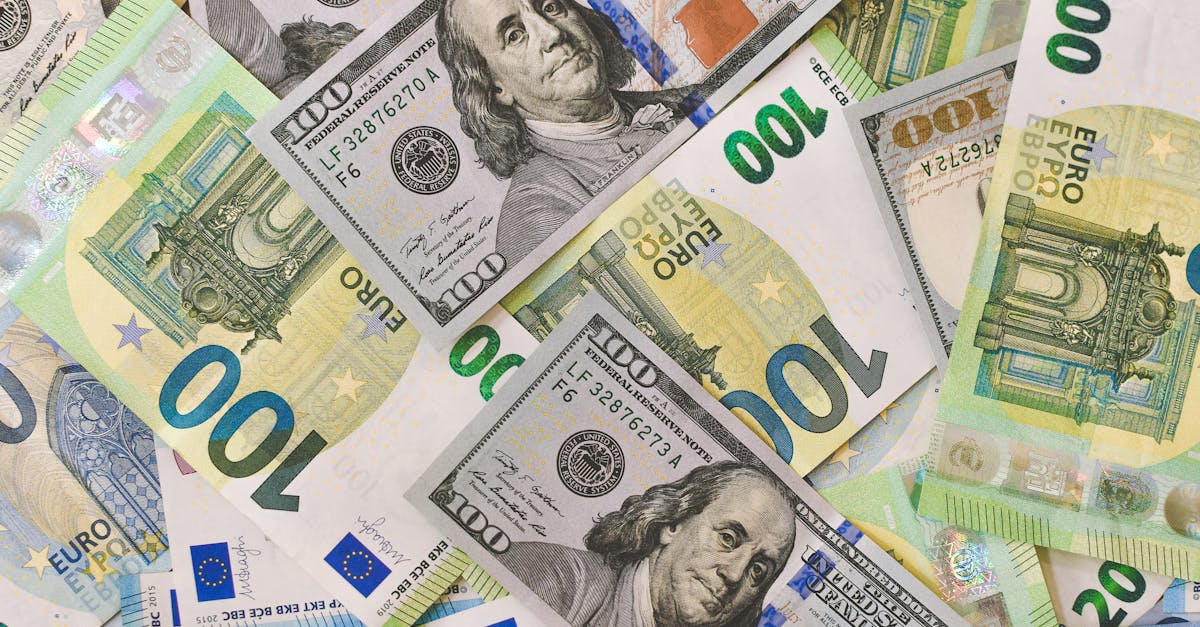
As the sun set over the neighborhood, the Martinez family gathered around the kitchen table, going through their monthly budget while sipping on cups of borrowed time—a cup of coffee brewed just right, paired with the aroma of home-cooked meals. They were excited to plan their summer vacation to Mexico, where they had grown up, but the family’s budget was tight. Carlos, the father, recently calculated how their expenses would shift thanks to the dollar’s recent performance against the Mexican peso, which has left him both hopeful and wary.
The exchange rate between the dollar and the peso has been particularly volatile lately. Just a few months ago, one dollar could buy 20 pesos, a favorable rate that allowed the family to splurge a little. But with the dollar now trading at approximately 18 pesos, the family found their overseas plans suddenly taking a financial hit. Each dollar they anticipated spending was now getting them fewer pesos—an immediate concern as inflation back home gripped the nation at 3.3%. Carlos couldn’t help but think: every taco, hotel room, and excursion would now require tighter budgeting.
Wage pressures and economic indicators further emphasized this reality. While the overall unemployment rate stood at 4.3%, good signs for job security, the purchasing power of every paycheck had tightened. The Federal Reserve’s recent interest rate of 3.64% further complicates matters; as borrowing becomes more expensive, Carlos wondered about their options for financing both the trip and larger purchases back home. Last spring, he could have counted on lower rates to refinance their mortgage or secure a personal loan for their road trip, but now every point lost to the exchange rate added friction to their financial aspirations.
Carlos often compares this to a seesaw where both ends can’t be balanced at the same time. Higher costs of travel inflate the total spend, and low-interest environments that once supported economic growth felt faraway, much like the distant mercados and beaches filling his family’s dreams.
The ripple effects of these fluctuations were tangible. Grocery shopping became an exercise in strategy, with prices for imported goods rising—not just because of domestic inflation but due to the hike in prices internationally as the dollar weakened. Items like avocados and coffee had long been staples, yet the family found themselves shopping differently. They now searched for local alternatives, staving off a financial pinch while hoping for better rates ahead.
Meanwhile, creating a sense of continuity was vital for the youngsters at home. Carlos and Maria introduced their children to budgeting by involving them in small, tangible decisions—such as saving for snacks they would buy during their trip rather than relying solely on online shopping and credit. This perspective shift became a powerful lesson about value, exchange, and the importance of mindful spending.
As the Martinez family settled down for the evening, they realized that exchange rates shape not just their financial decisions but the very fabric of their ambitions. In a world where the dollar seems to dance in an ever-changing rhythm against other currencies, they had learned to adapt, strategizing how to stretch each dollar further while maintaining their dreams of connection and adventure. At last, with laughter and planning, they embraced the joys of familial bonds, even if it meant delaying that enticing summer trip until the rate was right.
In the end, Carlos closed the family budgeting app, reassuring them that families, too, navigate these financial waters with resilience. Perhaps they would wait just a little longer before heading down to sun-drenched shores—but prepare they would, as the beauty of family and home endures through every currency exchange.