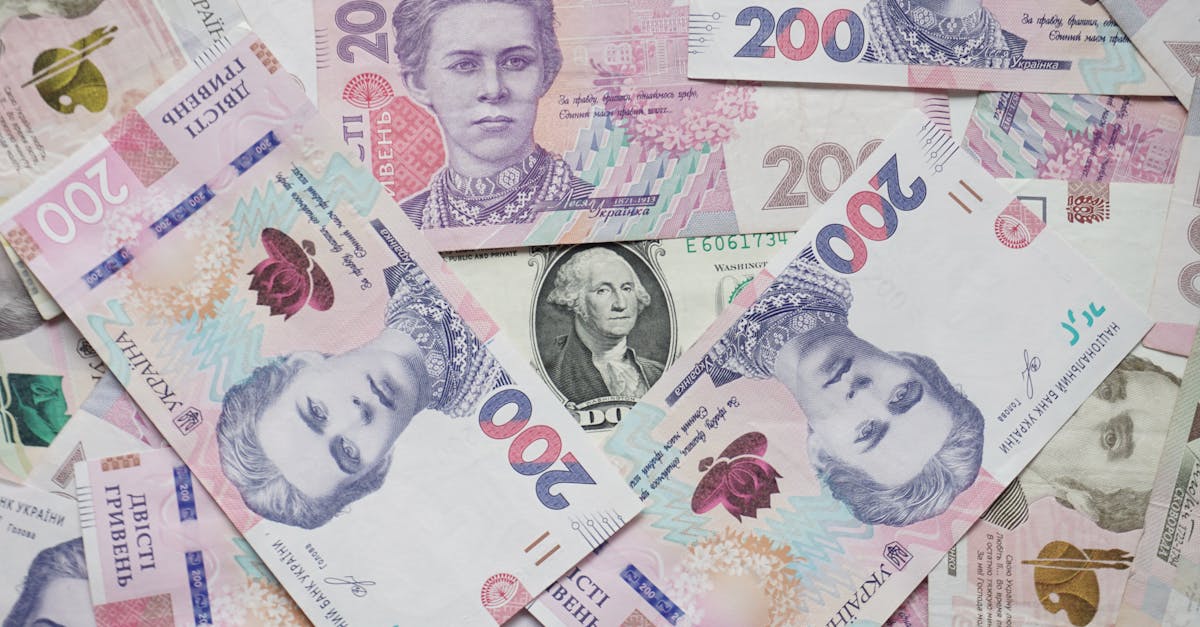
The Coffee Shop and Foreign Customers
Imagine Sarah, the owner of a cozy coffee shop in Seattle, where the aroma of freshly brewed espresso wafts through the air. She’s built her business around providing a warm atmosphere and high-quality beans sourced from various countries. Recently, she noticed that her foreign customers, particularly from Europe and Asia, have been ordering less frequently. The reason? The exchange rates are shifting in ways that make their favorite lattes increasingly expensive.
Over the past few months, as the value of the U.S. dollar fluctuated, European customers faced growing prices in their currencies. For instance, a venti cappuccino that used to cost them approximately €4.50 now amounts to about €5.00—a sharp increase. Imagine a barista in Sarah’s shop hearing the complaint as she hands over the change: “It’s just too much for coffee!”
Capturing the Numbers Behind the Curtain
As of February 2026, the inflation rate in the United States settled at 2.4%, which, while manageable, still gnaws at consumer purchasing power. Combined with an unemployment rate of 4.4%, individuals enjoy reasonably stable job prospects but feel squeezed when it comes to discretionary spending. In the realm of international coffee trade, this means foreign customers think twice before treating themselves. If a European customer walked into Sarah’s café ready to spend €10, with the exchange rate currently hovering around 1.10 U.S. dollars for every euro, she suddenly feels the impact of her foreign visitor’s diminished capacity to spend. That €10 translates to $11, tightening wallets across the Atlantic.
This scenario isn’t just about her shop; it reflects a broader economic dance influenced by interest rates set at 3.64% by the Federal Reserve. As Sarah navigates her monthly expenses, this interest rate means higher borrowing costs for both her and her suppliers. If she decides to take a loan to expand her small empire, those mounting interest expenses will chip away at her profits.
The Ripple Effect on Local Commerce
Moreover, Sarah’s challenges are a microcosm of a larger narrative. When foreign visitors curtail their spending, it dampens the vibrancy of local tourism. This can have profound implications for mixed-use businesses across her neighborhood, from retailers to restaurants. With fewer euros and pounds flowing in, the economic heartbeat slows, causing ripples throughout the community.
Picture Sarah altering her recruitment strategy because of these shifts. Instead of hiring additional staff to handle the peak tourist season, she finds herself postponing those decisions, choosing instead to keep her current staff busy. While unemployment holds steady at 4.4%, Sarah’s hesitance could contribute to subtle shifts in that figure down the road. The economy thrives on subtle interactions—every hire, every sale reverberates through a web of livelihoods supported by the flows of currency.
A Return to the Coffee Shop
Back at Sarah’s coffee shop, she makes adjustments. Perhaps she introduces a loyalty program to encourage local residents to fortify their visits. She optimizes her menu to create cost-effective items, making it attractive to those who may now think twice about springing for that pricey imported blend.
In this way, the story of a small coffee shop underlines the profound impact of exchange rates on everyday communities. The shifting numbers, influenced by macroeconomic factors like inflation and interest rates, shape not only the bottom lines of small businesses but also the choices and lifestyles of families across the nation. Sarah’s café—once a bustling hub for international visitors—is now a serene spot for locals, a reminder of how interconnected our economies are and how swiftly circumstances can change.
In the end, every cappuccino poured is not just a drink served; it’s a testament to the intricate connections of global commerce and the individual choices within a vibrant community.