$1.02 Million
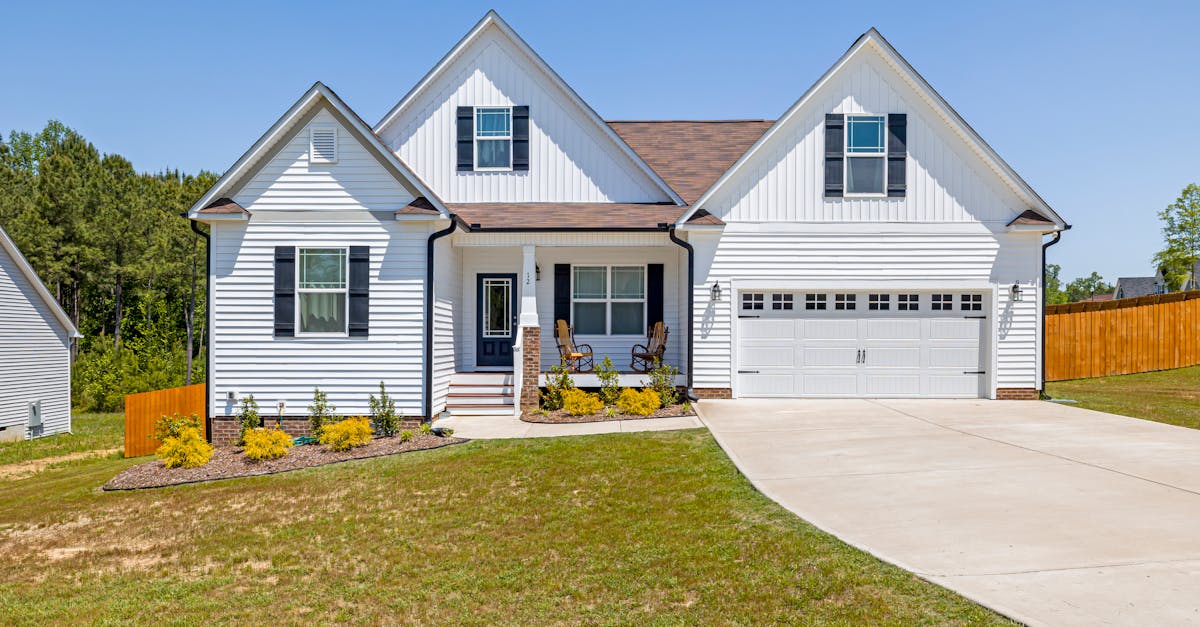
The median home price in the United States surged past $1 million for the first time this year, a striking 14% increase from the previous year, as reported by the National Association of Realtors. This figure starkly contrasts with pre-pandemic levels in early 2020, when the median price stood at about $320,000. Such exponential growth not only reflects the enduring tightness in the housing market but also underlines the financial strain on potential buyers nationwide.
Where Supply Meets Demand
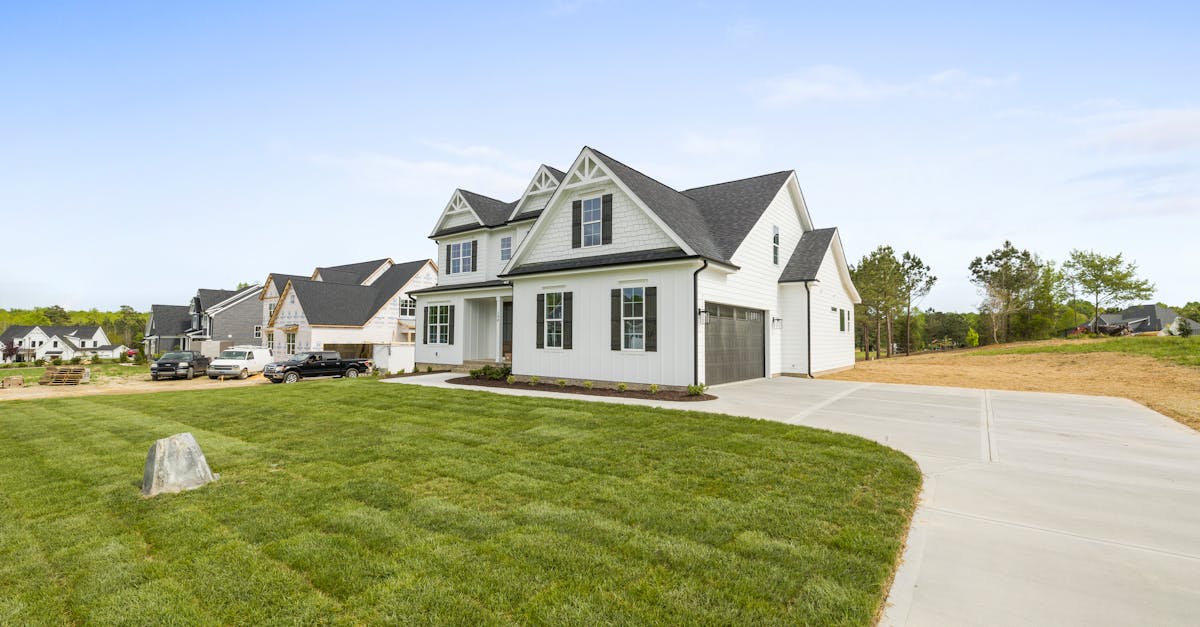
The inventory of homes available for sale dropped to a perilous 1.22 million units in August, a 19% drop year-over-year, according to data from the National Association of Realtors. The fierce competition for housing has forced buyers to engage in bidding wars, often pushing prices up even further. For many, the dream of homeownership is slipping further from reach, exacerbated by the increase in mortgage rates, which soared to a staggering 7.3%—the highest since 2002, according to Freddie Mac.
Financial Pressure on Buyers
With average monthly mortgage payments surpassing $3,000, many buyers are left with tough choices. The typical homebuyer now spends 35% of their income on housing, a significant leap from 24% just five years ago. The growing burden not only impacts spending power but also contributes to an increase in renter demand, with rental prices rising over 10% year-over-year in several major markets.
The Shift in Affordability
This extraordinary rise in housing prices has altered the landscape of affordability dramatically. For every $100,000 increase in home price, the monthly payment jumps by roughly $600 at current interest rates. Potential first-time buyers, often millennials, are feeling the pinch, with homeownership rates among this demographic stagnating at about 43%, down from 48% prior to the pandemic.
Investors and Cash Buyers Thrive
The landscape is increasingly favorable for investors and cash buyers, who can circumvent the steep costs of borrowing. According to CoreLogic, institutional investors accounted for nearly 20% of home purchases in the second quarter, capitalizing on the dwindling supply and rising prices to dominate the market. As cash buyers continue to outbid traditional buyers, the implications for housing equality become more poignant; lower-income earners are left increasingly marginalized in this competitive arena.
Regional Disparities Emerge
Geographically, the impact varies considerably. The West Coast remains a hotbed for exorbitant prices, with the San Francisco Bay Area seeing a median home price eclipsing $1.5 million. Meanwhile, Midwestern cities like Columbus are still viable within the $300,000 to $400,000 range, illustrating the widening gap across regions. This displacement of urban centers could lead to shifts in population dynamics as affordability drives migration trends.
The Economic Ripple Effect
The combination of high housing prices, rising interest rates, and increasing construction costs is creating a perfect storm that threatens the broader economy. Notably, the Federal Reserve’s recent interest rate hikes aim to tame inflation, but they simultaneously escalate housing costs. The result may be a cooling of consumer spending, which accounts for approximately 70% of U.S. GDP; slowing home sales could have reverberating effects on industries ranging from construction to retail.
What Lies Ahead
As the market grapples with these alterations, stakeholders across the board—from buyers to policymakers—must consider strategies to potentially ease these pressures. With inventory still limited and interest rates pointed to remain high, the road ahead remains fraught with challenges. Unfolding dynamics in this sector could pave the way for innovative housing policies designed to foster greater accessibility and affordability for future generations.