The Pulse of America’s Housing Market: Where Are We Headed?
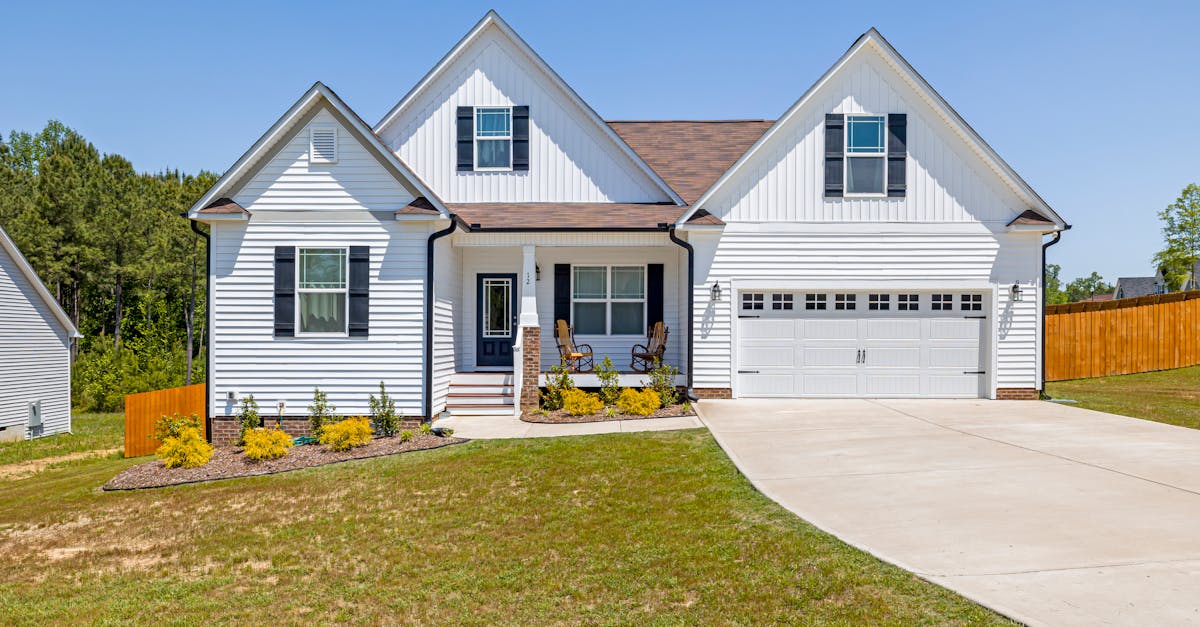
$453,000: that’s the median existing-home price in the United States as of August 2023, marking a staggering 2.6% increase from the same time last year, according to the National Association of Realtors. This upward trend underscores the persistent pressures of demand and limited supply, resulting in a housing landscape that remains challenging for buyers.
As mortgage rates climbed to an average of 7.5% in late September 2023, affordability has reached crisis levels for many would-be homeowners. The combination of high prices and elevated interest rates has diminished purchasing power, leading to a 15.5% drop in existing home sales year-over-year, as reported by the National Association of Realtors. With such constraints, home ownership is slipping further out of reach for a considerable segment of the population.
Tight Supply & Persistent Demand
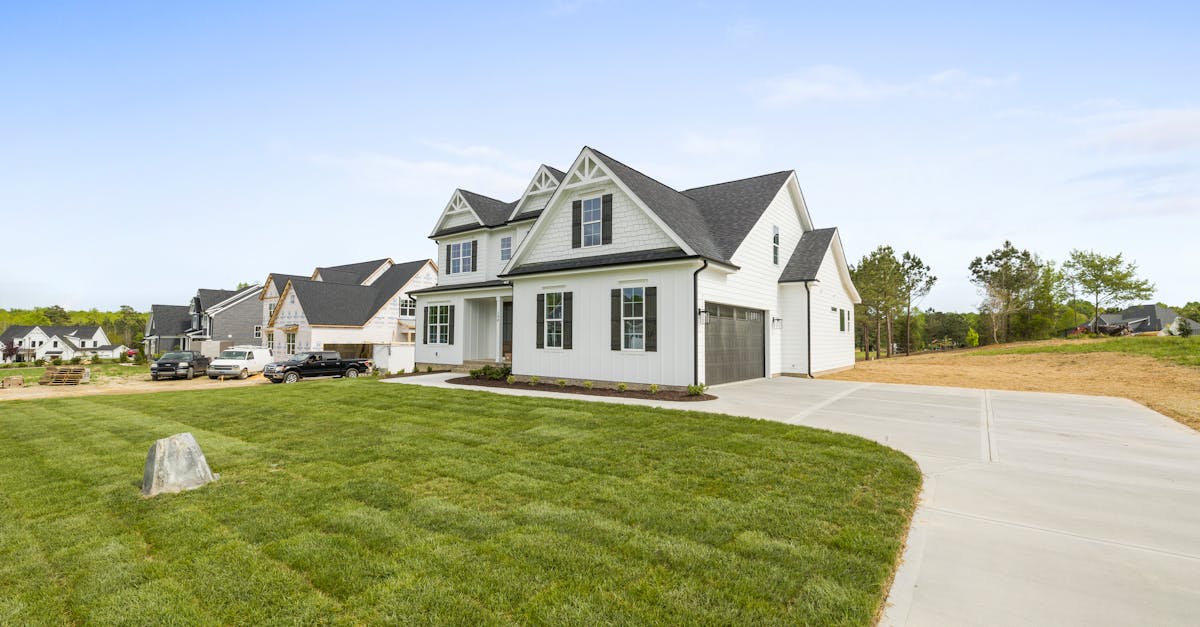
Inventory is another critical factor influencing the housing market dynamics. As of August, there are merely 1.1 million homes available for sale, a supply that represents a 3.2-month supply at the current sales pace—far below the six to seven months typically seen in a balanced market. This scarcity is largely the result of current homeowners opting to stay in place instead of trading up, given the lower mortgage rates they locked in prior to the recent hikes.
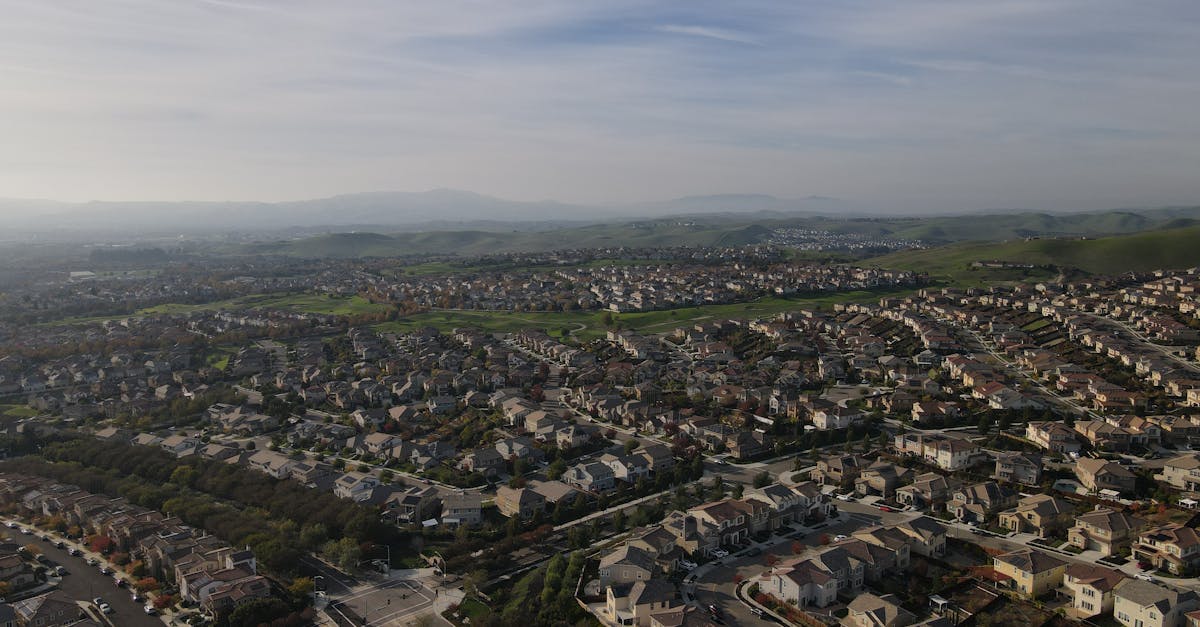
Interestingly, demographics play a role here: the largest cohort of millennials is entering their prime homebuying years, pushing up demand simultaneously with limited supply. The shifting preference for homes in less densely populated areas, spurred by remote work trends, adds yet another layer of complexity to this ever-evolving marketplace.
Average Rents Surge
Renters are feeling the pinch, too. The Zillow Rental Index placed the median rent in the U.S. at $2,059 in September, reflecting a startling 14.7% increase year-over-year. With inflation running high and wages not keeping pace, many are faced with difficult choices between paying rent or homeownership—an unattainable reality for many. Those looking to rent are forced to spend a staggering 30% of their income, a benchmark often used to define housing cost burdens.
Federal Reserve’s Role in the Equation
The Federal Reserve’s aggressive monetary policy has played a critical role in shaping today’s housing landscape. In hopes of reigning in inflation, the Fed has raised rates, effectively cooling demand for mortgages and, in theory, alleviating price pressures. However, this strategy has yielded a paradox: elevated rates lead to fewer transactions, which do not address the fundamental shortage in housing supply, leaving prices stubbornly high.
For many Americans, this means navigating a landscape defined by bidding wars, limited choices, and steep financial commitments, raising the painful specter of diminished homeownership rates in coming years. The net effect of this complex brew pushes many buyers to the sidelines, locking them out of the market and making it difficult for homeowners to consider moves.
A Future of Uncertainty
The trajectory of America’s housing market remains fraught with uncertainties. While some analysts argue that a price correction is inevitable due to reduced sales, others point to persistent supply constraints and demographic shifts that could keep prices elevated. What does this mean for aspiring homeowners? A prolonged period of waiting, preparation, and perhaps disappointing options.
In an environment of uncertainty and conflicting signals, those seeking housing will need to stay vigilant and adaptable in the coming months.