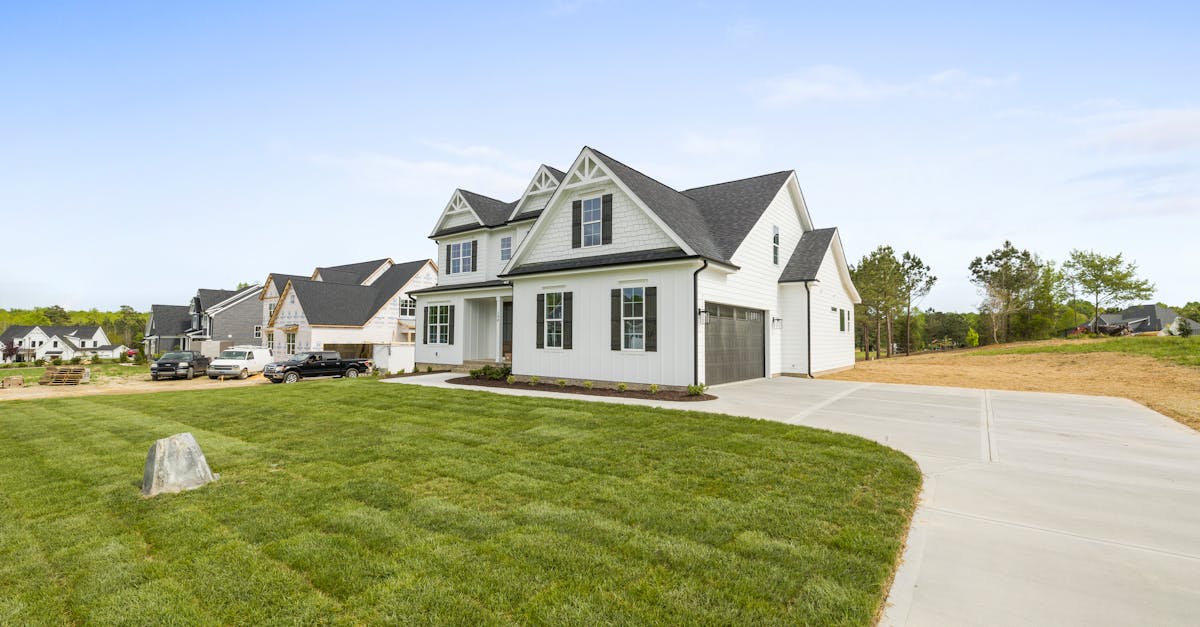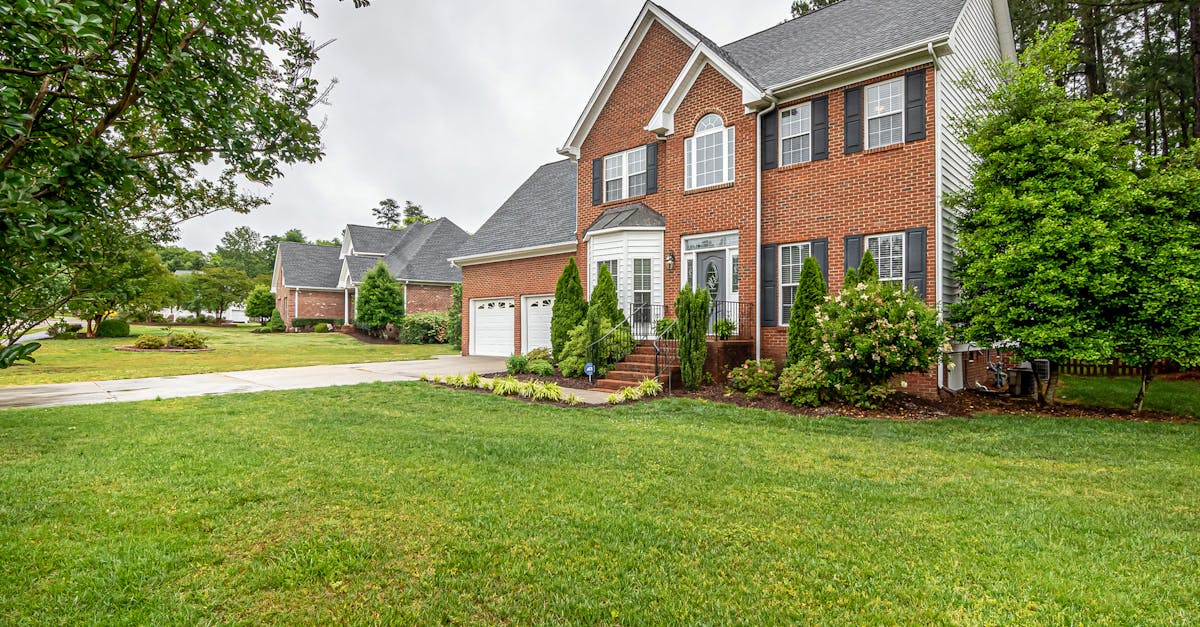
40%: The Average Increase in Home Prices
The average American home has seen a staggering price jump of 40% compared to just three years ago — a dramatic rise that has reshaped the landscape of homeownership in the United States. To put this in perspective, the Federal Reserve reported that the median existing-home price reached $410,200 in September 2023, a sharp increase from $292,800 in September 2020. This surge not only reflects burgeoning demand but also highlights significant challenges for first-time homebuyers and renters alike.
A Tight Market and Interest Rates
Low inventory levels have exacerbated the situation, with the number of homes for sale plummeting to 1.2 million—a stark decline of 15% year-over-year, as reported by the National Association of Realtors. Simultaneously, increased borrowing costs have discouraged would-be sellers from listing their properties. The average mortgage rate now stands at 7.5%, marking the highest level seen in over two decades, according to Freddie Mac. The combination of these factors has compelled many buyers to adjust their expectations, often resulting in bidding wars on the limited properties available.
Demographics at Play
The demographic composition of buyers is also evolving. Millennials, who made up 43% of all homebuyers in 2022 as per the National Association of Realtors, are finding it increasingly difficult to enter the market due to rising prices and interest rates. This younger demographic is competing with older generations, particularly in sought-after suburban areas, further intensifying the competition for housing. The financial strain felt by this group may not only delay their homeownership ambitions but could also have long-lasting implications on wealth accumulation in their lifetime.
Rental Market Vulnerabilities
While many look toward homeownership, the rental market isn’t faring much better. The U.S. rental prices skyrocketed 16% nationwide since the onset of the pandemic, according to the Bureau of Labor Statistics. In addition, rising housing costs have led to an increased proportion of household income being devoted to housing; the nationwide average rental payment now reaches about $1,900 monthly. This leaves many with limited budgetary flexibility for other essentials, including food and healthcare.
Looking Ahead: Signs of Moderation?
On the horizon, there are signs that the rapid acceleration of home prices may begin to moderate. As potential buyers re-evaluate their budgets amid rising interest rates, buyers’ purchasing power decreases, which could cool demand. Moreover, ongoing construction, though stifled by labor shortages and supply chain disruptions, continues to ramp up, with building permits up 5% year-over-year, indicating hope for more inventory on the market.
The landscape of U.S. housing is in flux, driven by high prices, evolving buyer demographics, and moderate construction rates.
Housing affordability challenges will continue to shape the economic landscape as changing dynamics potentially pave the way for a new equilibrium in the coming months.