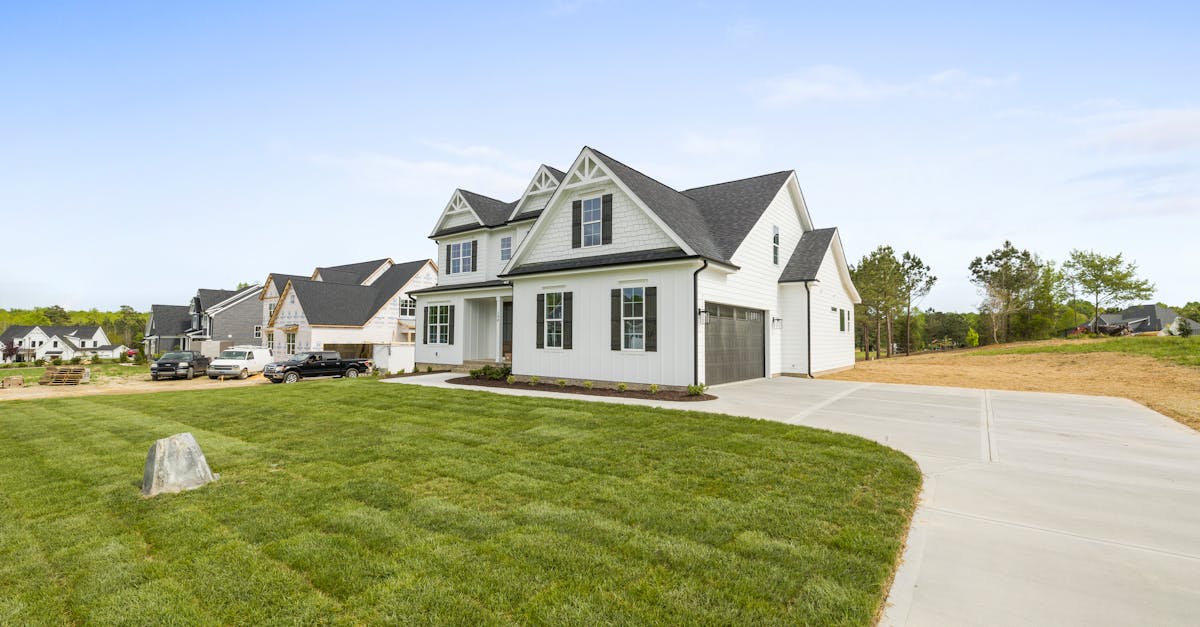
A Staggering 20.4% Increase in New Home Prices
In August, the median sale price for new homes in the U.S. surged to a striking $466,000, representing a 20.4% increase from the previous year according to the U.S. Census Bureau. This remarkable rise is not an isolated incident; it signals an alarming trend that has unfolded over the past few years, highlighting the acute supply-demand imbalance gripping the housing market.
Fed Moves and Mortgage Rates
The Federal Reserve, in response to persistent inflationary pressures, has steadily increased interest rates, raising them to between 5.25% and 5.50%. These hikes have cascaded through the economy, with average 30-year fixed mortgage rates peaking at approximately 7.18% in early October, the highest level since 2002. Escalating borrowing costs are creating roadblocks for potential homebuyers, pushing many to reevaluate their housing aspirations or postpone their purchases altogether.
The Rental Pressure
Meanwhile, rental prices are not sparing tenants; average rents have escalated by 8.7% over the past year as of August, per the Bureau of Labor Statistics, burdening household budgets across the nation. For renters, the spike in rental costs coupled with stagnant wage growth creates a precarious financial environment, especially among millennials and lower-income households who already face affordability challenges.
Inventory Challenges
The chronic shortage of available homes continues to stymie the market. National Association of Realtors statistics indicate that housing inventory remains about 35% lower than pre-pandemic levels, a clear factor driving prices upward. As buyers compete fiercely for limited listings, bidding wars have become commonplace, aggravating the affordability crisis and sidelining many first-time buyers.
Disparate Impact
The current landscape isn’t uniform; certain regions are feeling the heat more than others. For instance, while cities like Austin and Phoenix have witnessed prices soar by over 30% in a year, others like Detroit have stagnated, showing that the rebound is uneven. This localized fluctuation underscores the economic disparities that define various neighborhoods, affecting investment and migration patterns.
Homeownership Dreams Deferred
For those hoping to step onto the property ladder, the combination of soaring prices and rising mortgage rates translates to a profound shift in homeownership dreams. A recent report by Redfin highlights that nearly 62% of millennials now say they are delaying buying a home, often citing financial instability as the primary reason. This shift suggests a generational shift in attitudes regarding homeownership, where renting may become more prevalent than ever.
Future Directions
As the U.S. grapples with these challenges, many experts anticipate that home prices may stabilize or even decrease slightly as interest rates level off, but the overall landscape points toward continued volatility. Buyers and renters alike must remain nimble in navigating an increasingly complex housing market, where understanding local conditions will be key to making informed decisions.
Adjustments in monetary policy, shifts in consumer confidence, and long-term impacts of the COVID-19 pandemic will continue to ripple through the market, shaping the housing outlook in the months ahead.