$471,600: The National Median Sale Price
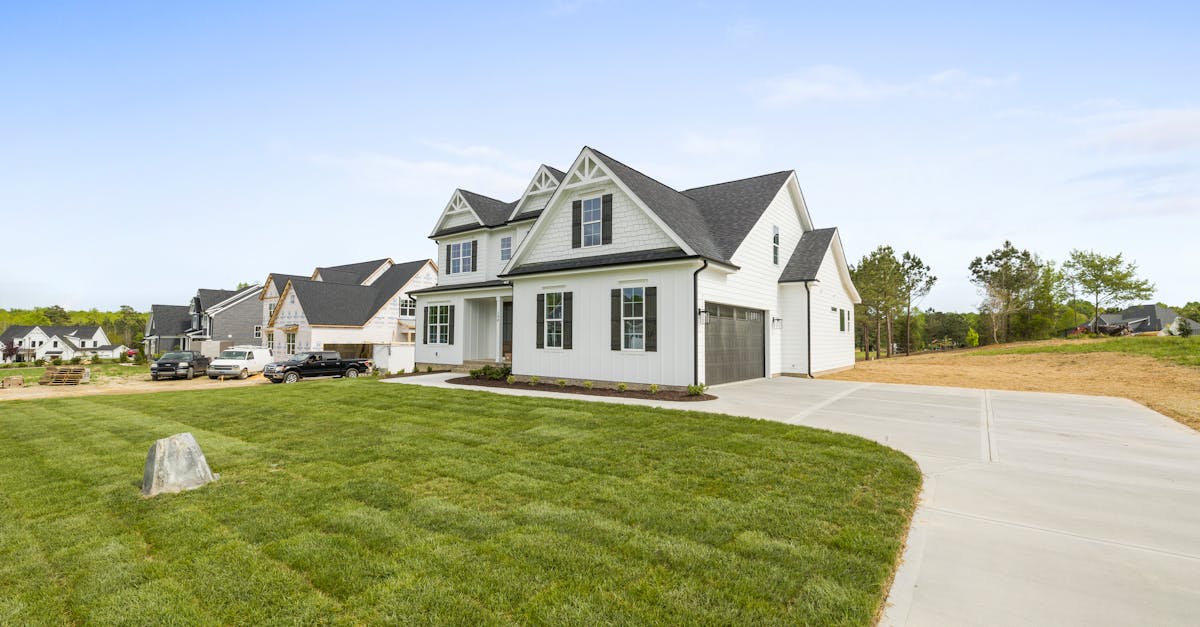
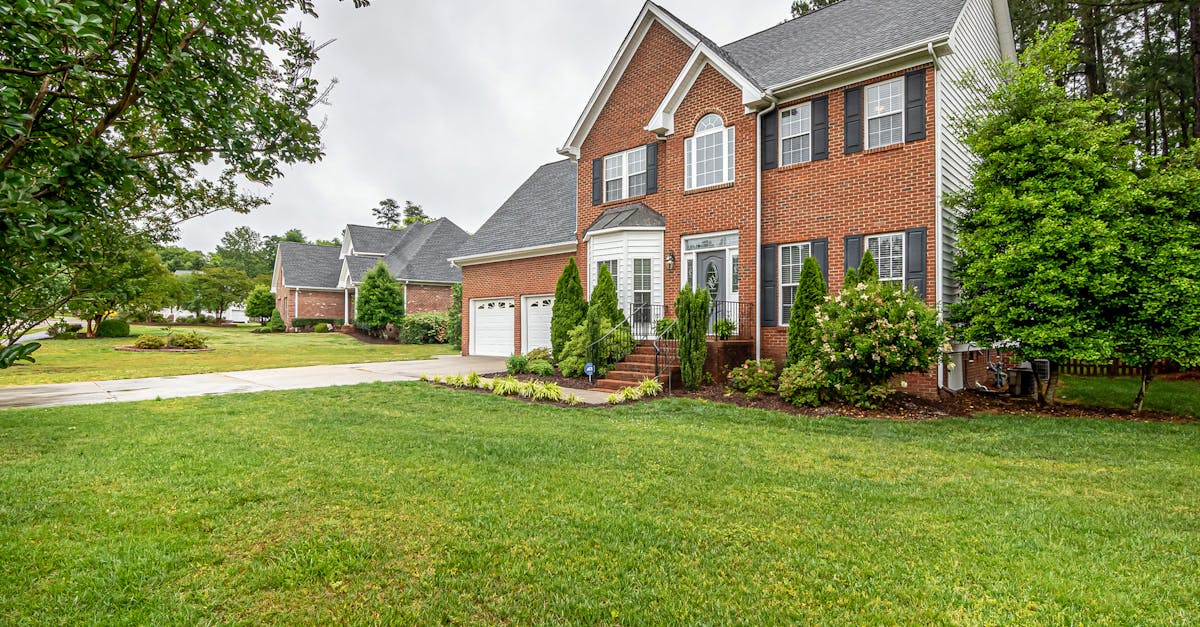
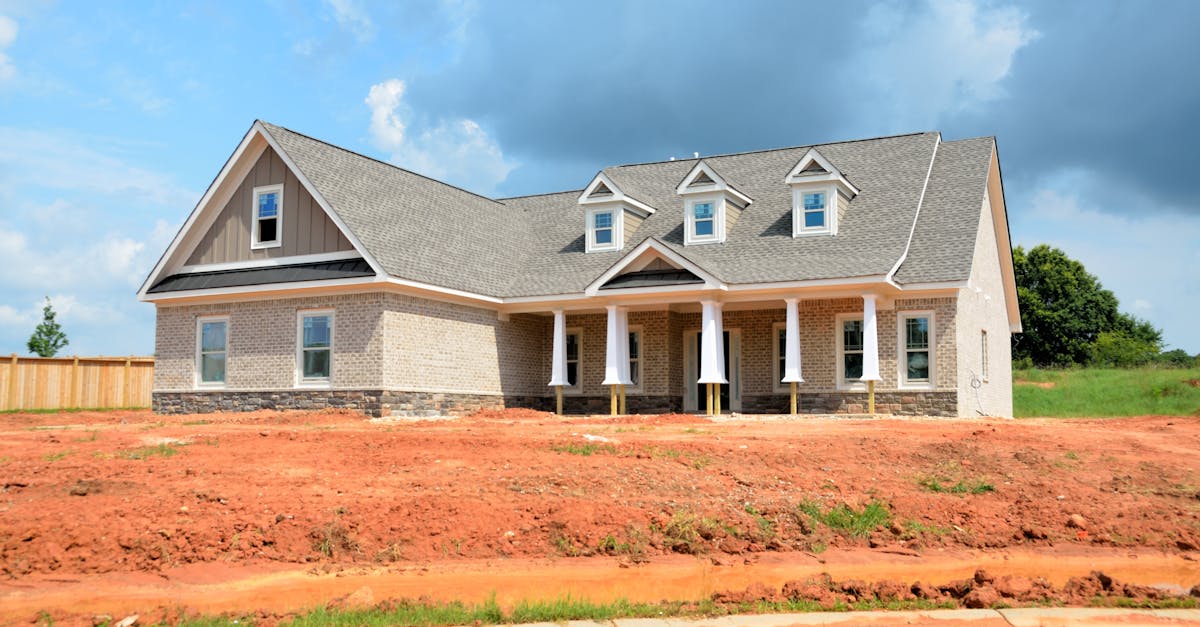
The national median sale price of homes in the United States hit $471,600 in September 2023, reflecting a dramatic increase of 12.6% from the previous year, according to the National Association of Realtors. This surge underscores a market teetering on the brink of affordability for many potential buyers, forced to grapple with rising interest rates and diminishing inventory.
Resilient Demand Amid Rising Rates
Amidst a backdrop of higher borrowing costs—30-year fixed mortgage rates hovering around 7.5%—demand for housing remains resilient. The Mortgage Bankers Association reported a 20% spike in mortgage applications in the last year, driven largely by a renewed interest from first-time homebuyers. This indicates that while financial barriers are growing, the desire for homeownership is an unyielding force.
Supply Chain Challenges and Low Inventory
Compounding affordability issues is an inventory shortage that shows no signs of waning. As of September, the available housing stock was down nearly 28% year over year. This scarcity has forced many potential buyers to compete aggressively, leading to bidding wars and pushing prices up even further. One notable metro area example is Austin, Texas, where the average home sale price surged to $615,000, an increase of over 15% in just one year.
Renters Feeling the Pinch
Meanwhile, renters are also bearing the brunt of these market shifts. The Census Bureau reported that median rent across the nation now stands at $1,200 per month, reflecting a year-over-year increase of 8%. With stagnant wage growth—it rose only 3.7% in the last 12 months—affordability is becoming an acute crisis for many renters. A report from Apartment List further reveals that 52% of renters now spend 30% or more of their income on housing, a notable warning sign of financial distress.
The Shift to Remote Work and Urban Flight
Interestingly, the ongoing trend of remote work continues to reshape housing demands. As professionals seek larger homes with dedicated office spaces, smaller cities and suburban areas are experiencing a renaissance. Markets like Boise and Raleigh are seeing an influx of urban dwellers, resulting in whopping 20% price increases. This shift challenges previous assumptions about city-centric living as preferences evolve with work-life balance at the forefront.
The Future of Homeownership
Looking ahead, the Federal Reserve’s plans to combat inflation could lead to further increases in interest rates, which either stymies buying power or forces more renters into the precarious position of being trapped in expensive leases. As the housing market navigates the twin challenges of inflation and rising rates, potential homebuyers must consider both their financial readiness and the shifting landscape.
While the housing market is a complex web of economic variables, one thing is clear: immediate action is necessary for buyers and renters alike to adapt to these disruptive forces with their finances in mind.