The Tug of War in the U.S. Housing Market
$408,200: that’s the median sales price of a home in the United States as of recent reports, marking a staggering 8.6% increase from the prior year. With interest rates hovering around 7.8% for a 30-year fixed mortgage, this reality creates an immediate dilemma for buyers and sellers alike.
When assessed against a background of inflation and rising living costs, the housing market has earned a reputation as a feverish battleground. Homeownership, once a goal for many, is now seen as increasingly unattainable. Housing inventory remains thin; as of the latest data, there were merely 1.1 million homes for sale, a figure reflecting a 20% drop year-over-year. This scarcity, compounded by heightened demand, has pressured home prices upwards, straining buyers’ budgets across the board.
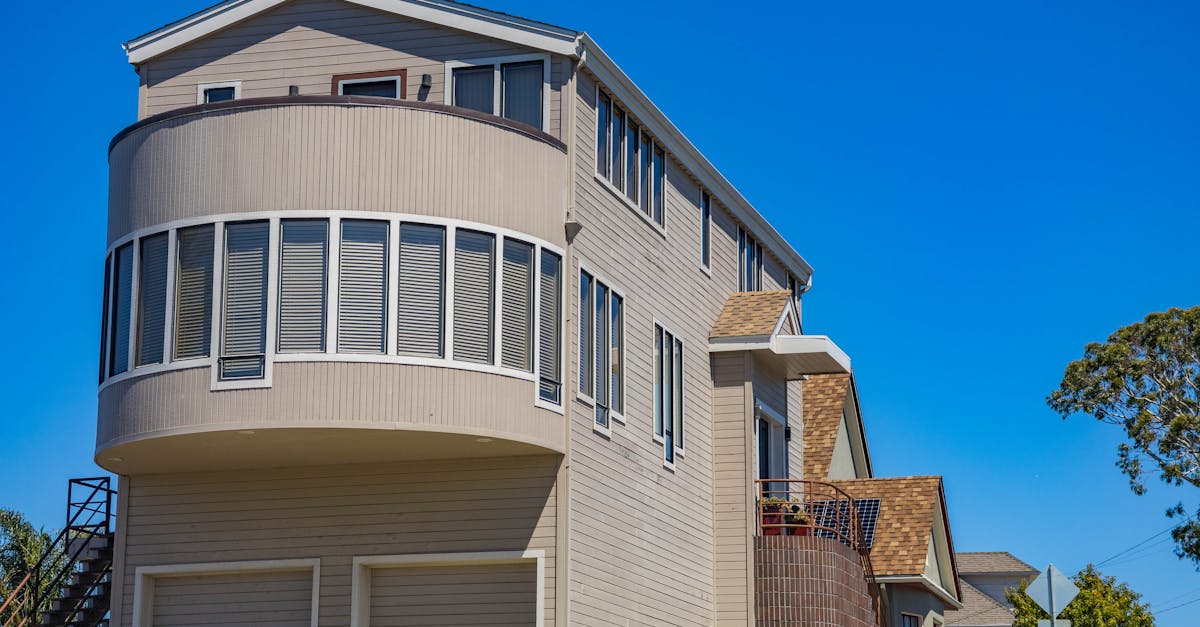
Local markets illustrate this crunch vividly. In San Francisco, median prices soared to $1.4 million, a 14% increase, demanding top dollar for a modest two-bedroom fixated on remarkable scenery rather than square footage. Contrast that with a decrease in inventory seen in areas where jobs are less concentrated; populations are shrinking, making once-desirable suburbs less appealing. Yet, even with prices rising unrelentingly, those looking to sell see mixed signals – as the rental market also experiences year-on-year rent increases averaging 4.2%.
The Federal Reserve’s aggressive monetary policy focuses on combating inflation has led to an environment where adjustable-rate mortgages and home equity lines are experiencing strain. A pronounced consequence of this has been the rapid escalation in borrowing costs. Buyers are facing monthly payments that can reach as much as $2,800 for median-priced homes, distorting their financial planning.
Looking particularly at Millennials and Gen Z — the leading cohorts of first-time home buyers — financial barriers appear insurmountable. A recent survey highlighted that 56% of Millennials cite high home prices as their main deterrent, while 39% of Millennials still live with parents to save for a down payment.
With mortgage rates predicted to hover around 7% through early next year, the previous expectations of a cooling market remain elusive. Each month brings new concerns for prospective homeowners, adding to anxiety around personal finances as prices and rates continue their upward trajectory.
Economic forecasts from the Bureau of Economic Analysis predict that consumer spending could soften in the face of continually rising costs, providing some solace to the high prices driven by excessive demand. Yet, with eager home buyers competing for an increasingly small inventory, many are left wondering if their dream of homeownership will become a distant reality.
The ongoing dialogue between buyers, sellers, and economic realities paints a complex picture of the U.S. housing landscape. As the disparity between income growth and housing prices widens, the current trajectory hints that new strategies must emerge — whether through policy adjustments or innovative housing solutions to accommodate a growing population grappling with affordability challenges. Each move by the Fed will be closely scrutinized, as the implications will resonate far beyond financial markets.
Anticipating changes in credit conditions and shifts in demographic preferences could reshape the playing field as we enter a pivotal moment in home buying and selling across the nation.