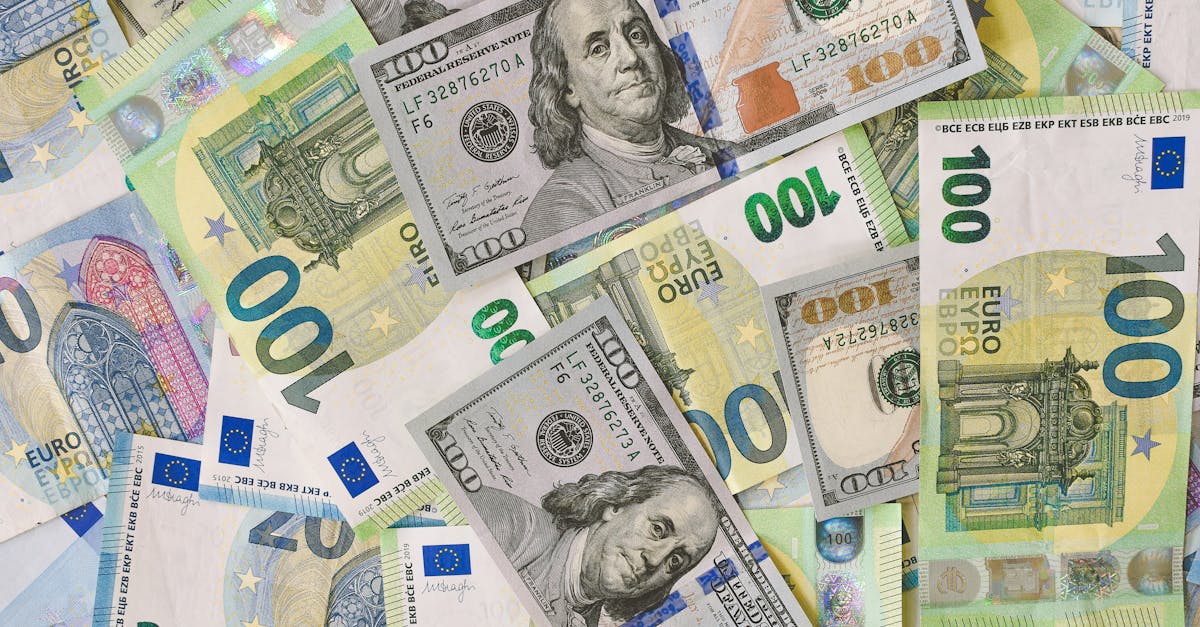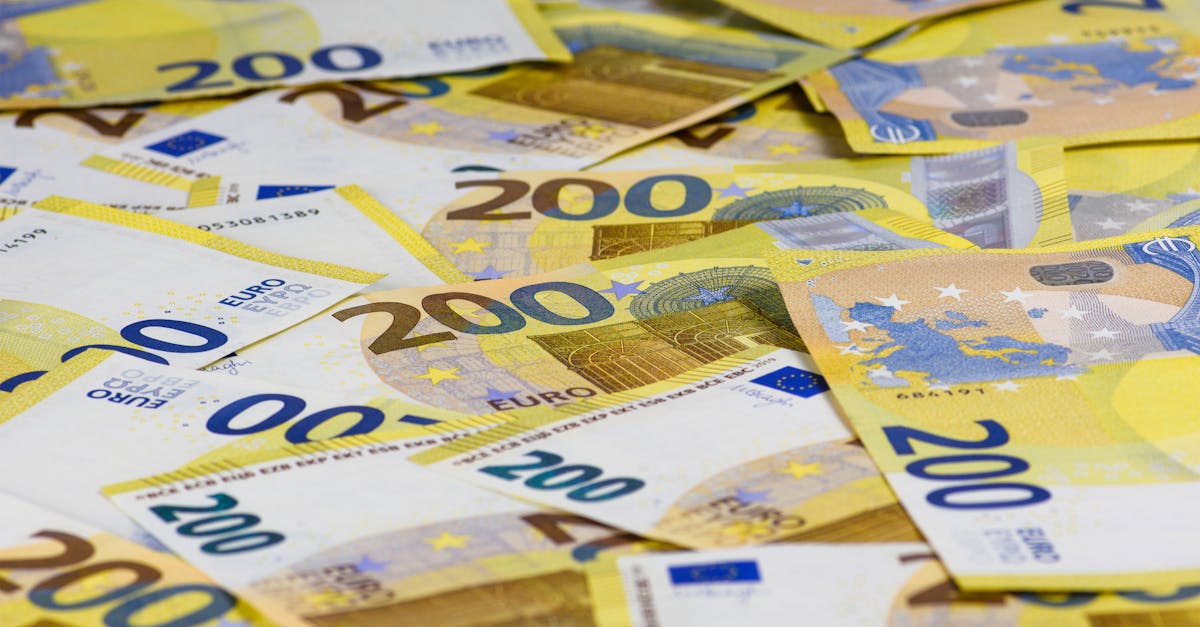
Imagine the Johnson family in Omaha, Nebraska, sitting around the dining room table, planning for their first international vacation in years. They have set their sights on Europe—specifically, a two-week adventure visiting Italy and France. Jenny, the family’s budget-savvy mom, pulls up the exchange rate for the euro. Currently, $1 buys about €0.92. For the Johnsons, this means every time they pull out their wallets for a gelato in Florence or a croissant in Paris, they are watching that dollar’s value slip away a little more.
With inflation recently clocking in at 4.2%, the rising costs of goods back home create an additional layer of pressure. What once seemed like a well-planned budget is now becoming ever so delicate. If the dollar weakens further due to geopolitical instability or shifts in interest rates, those euros will become even more expensive. It’s a financial tightrope, and one Jenny can’t help but calculate over and over again. To put it in perspective, if the dollar were to drop to €0.85, each $1 would only convert to roughly €0.85, forcing the family to reassess their itinerary and potentially cut out dining experiences that they had been looking forward to.
Across town, Mark, who runs a small import business specializing in Italian ceramics, feels the exchange rate fluctuations in a much different way. Every shipment he receives relies heavily on the dollar’s strength. With the Fed’s interest rate recently at 3.63%, borrowing costs for Mark have also risen, making it tougher to manage cash flow as the euro becomes more expensive. Should he decide to order a new line of products, any dip in the dollar’s value could eat into the profit margin, which is already squeezed by rising labor costs due to the current unemployment rate of 4.3%.
To illustrate the impact on Mark’s business, consider that when he paid €20,000 for a shipment of ceramics last year, he converted roughly $21,739—the dollar was stronger then. Fast-forward to today, if the exchange rate dips again, that same order costs him significantly more, impacting his ability to compete with larger retailers who can absorb those costs more easily.
But the ripple effects extend beyond just Jenny’s vacation plans or Mark’s procurement dilemmas. The very fabric of how families enjoy travel, dining, and shopping is woven within these numbers that seem abstract yet speak volumes. For instance, a dollar dropping from €0.92 to €0.85 not only changes how vacationers like the Johnsons budget for their coffee in Rome, but it also influences how businesses enjoy or endure seasonal sales.
As summer approaches, many families across the states feel similar pinch points as they try to balance their aspirations against fluctuating exchange rates. The exchange rate is not merely a number on a financial report; it is a fulcrum pivoting real-life decisions and experiences. The Johnsons may find themselves opting for a domestic vacation instead if conditions worsen, just as Mark might scale back on launching new lines, choosing instead to maintain his existing inventory until the dollar shows more strength.
As they close the discussion about their dream trip, Jenny can’t shake her worry about how a shift in the dollar could mean missing out on those life-enhancing experiences that travel offers. Each number, each fluctuation in terms and conditions, speaks to the larger narrative of how an interconnected world impacts the daily pursuits of families and entrepreneurs alike. Whether dodging culinary delights in Paris or managing imported goods in Omaha, the stakes are undeniably high when the dollar is on the line. The Johnsons may not realize it, but their travel plans hang in the balance, as nuanced as the very exchange rates that dictate their journey.