A Family’s Vacation Dilemma
Imagine the Johnson family from a small Midwestern town, excitedly planning their first trip abroad to celebrate their daughter’s high school graduation. With a target budget of $5,000—a sum that once felt ample for their planned adventure to Europe—Lisa and Mark find themselves straddled between the looming shadows of the exchange rate market and the realities of rising inflation.
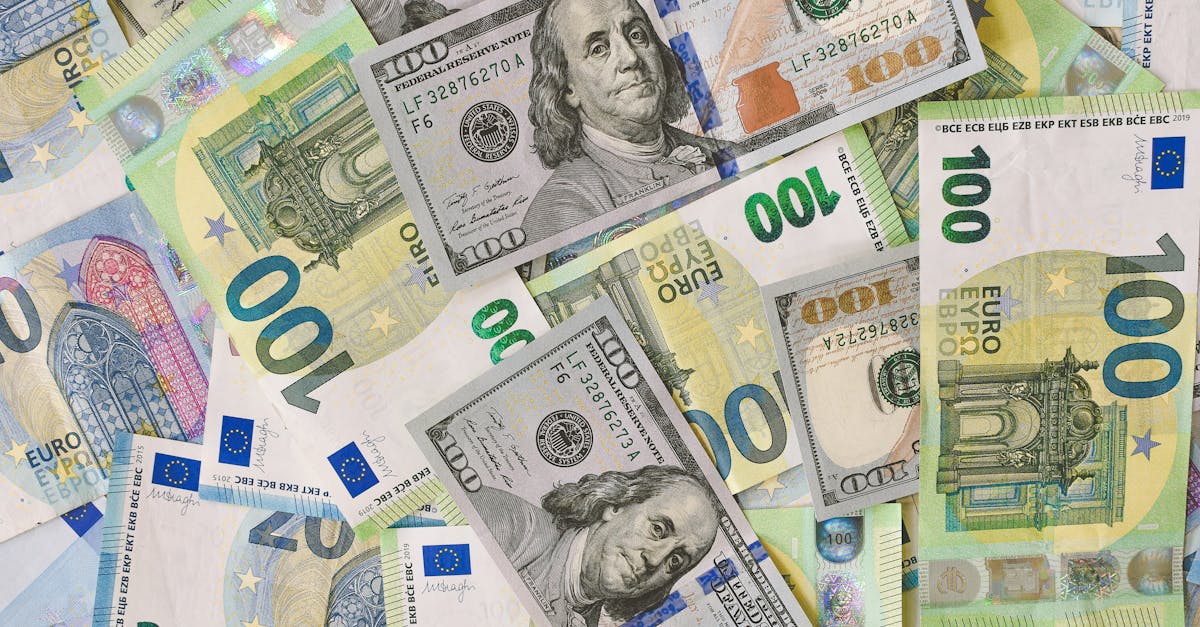
As they diligently calculate the costs of flights and hotel stays, the couple learns that the dollar has weakened against the euro, slipping from $1.10 to $1.15 per euro in just a few months. This shift means that their dream vacation might require an extra $500 to cover essential expenses like meals and excursions, roughly equivalent to their neighbor’s monthly mortgage payment. The exchange rate has suddenly turned their celebratory trip into a financial burden, forcing them to reconsider their plans.
The Currency Conundrum
Exchange rates, often baffling to the average person, serve as the gears that turn the machine of international commerce. For U.S. consumers, a depreciating currency means that foreign goods become pricier. With inflation currently resting at 3.8%—a rate pressuring household budgets—the increased cost of imported products is particularly noticeable. For many like the Johnsons, everyday items, whether a bottle of Italian olive oil or a French handbag, bear higher price tags due to the dollar’s decline.
Businesses feel this pinch, too. American manufacturers are grappling with the increased costs of foreign materials. Take a small electronics firm in California, for instance, which imports components from suppliers in Germany. Given the current exchange rates, the firm finds itself paying more than it did six months ago, nudging them closer to a tough decision: either raise prices or absorb the costs, a dilemma that ultimately impacts consumers.
Interest Rates and Economic Climate
As a countermeasure to inflation and the softer dollar, the Federal Reserve has opted for a cautious approach with interest rates recently set at 3.64%. While higher rates serve to stabilize the economy by cooling down consumer spending, they also have a profound effect on the exchange rate itself. When American interest rates rise, international investors often flock to U.S. assets seeking greater returns, which can strengthen the dollar and, in turn, alleviate pressures on families like the Johnsons. However, there’s a balancing act—higher rates can also slow down economic growth and increase unemployment, reported at 4.3% currently. Just as the Johnsons face uncertainties in their planning, businesses wrestle with equal ambiguity in executing strategies.
Our Economy in a Global Perspective
With these factors at play, consider an alternative path: what if the dollar appreciates again? For the Johnsons, that would mean a lighter financial load, possibly even allowing for an upgrade from a four-star hotel to something fancier. For the manufacturing business, a stronger dollar could afford them the opportunity to import materials without the burden of high prices, positively impacting their profit margins. Simplifying the terms of international trade is a luxury often taken for granted until it impacts the wallet.
Returning to the Johnson family, as they monitor the financial news and exchange rate trends, they realize that their vacation isn’t just a getaway; it’s a reflection of broader economic currents. Decisions about travel, purchasing power, and business strategy all intertwine under the same umbrella of monetary policy and international finance. They stand at a crossroads, realizing they might have to adjust their plans—not only for their trip but also for their financial future.
Choosing to embrace the uncertainty, the Johnsons decide to exchange their funds cautiously over a period of time, hoping to battle the fluctuations and perhaps even save a bit more. After all, in today’s interconnected world, living life with an understanding of exchange rates isn’t merely a financial exercise; it’s an essential skill that shapes experiences, aspirations, and yes, even the memories made on a family vacation.