Amidst the hustle and bustle of a small town in Massachusetts, the Keller family owns a boutique manufacturing firm specializing in handmade wooden toys. Every day, as the sun rises, Sarah Keller, the youngest heir of the family business, unpacks fresh shipments of handcrafted puppets and intricate puzzles ready to be packed for international delivery. For Sarah and her family, each wooden creation that leaves their facility carries not just the essence of their dedication but a significant impact on America’s trade balance.
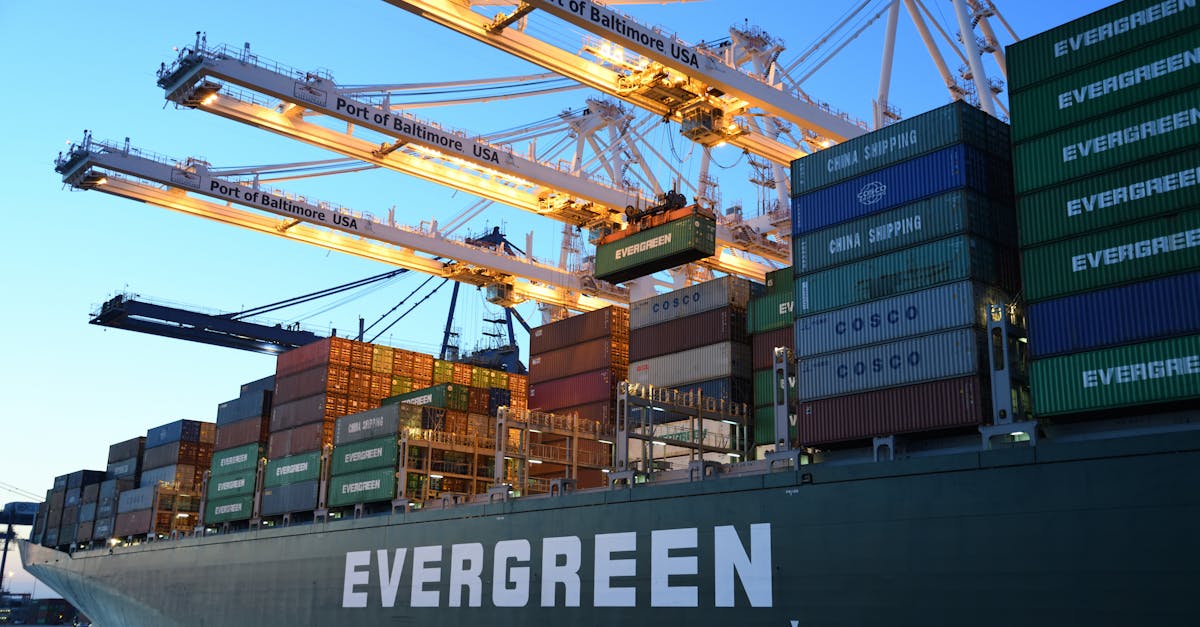
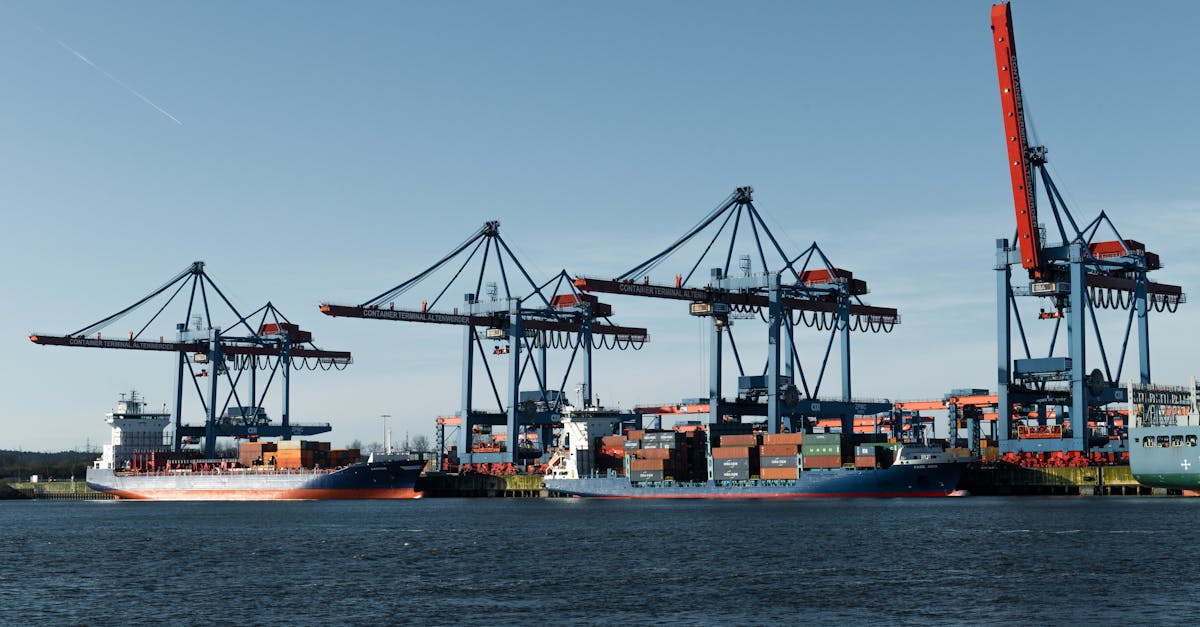
As Sarah checks inventory, she pauses for a moment to reflect on last quarter’s numbers; the firm shipped over $1 million worth of toys abroad. This figure represents a small slice of the broader American export landscape. In fact, according to the Bureau of Economic Analysis, U.S. goods exports hit a record high of over $1.8 trillion in the latest measurement period. If we imagine that every one of Sarah’s trucks carries a mere fraction of this total—each truck filled with high-quality toys meant for children in Japan, Canada, and Germany—the cumulative effect is staggering. Each export not only sustains her family business but also plays a part in shaping the overall economic health of the country.
The interconnections aren’t merely abstract; the realities of trade directly influence the Kellers’ ability to hire local craftsmen. Currently, the trade balance portrays a more sobering picture for the U.S., with a deficit that reached $79 billion recently, as reported by the Bureau of Economic Analysis. This imbalance means that while American exports are robust, imports are surging faster, reflecting the choices of consumers in favor of cheaper foreign products. For the Kellers, this dynamic often translates into challenges—consumers might opt for less expensive toys from overseas competitors, subtler echoes of this trend manifesting in their production decisions and staffing.
Imagine a scenario where, due to increasing imports, Sarah decides to ramp up her marketing efforts to appeal to eco-conscious buyers. Recent studies show that about 24% of consumers now prioritize sustainability, leading her to source materials locally and highlight the durability and handmade nature of her products. The Kellers leverage this trend to keep their brand relevant—even amidst a landscape that favors lower-priced, mass-produced toys shipped from abroad.
Looking at the unemployment landscape, the Federal Reserve indicates job numbers have been stabilizing, with a current unemployment rate around 3.5%. Nonetheless, family-owned businesses like the Keller’s depend on their exports to continue navigating the uneasy waters of economic uncertainty. A robust export sector can bolster domestic job creation, allowing firms to thrive and expand. The Kellers aim to hire two more craftsmen next quarter, a decision that feels increasingly precarious as they observe shifts in consumer spending and trade policy.
When Sarah finally locks up for the day, she considers how this all relates—her daily operations, the balance of trade figures, and how global commerce influences her family’s livelihood. The dance between exports and imports continually shapes her world, rewriting the chapters of their business story with every toy that leaves the workshop.
Sarah embodies a facet of the American trade narrative, where each handmade toy results not only in personal fulfillment and family pride but also relevance in the larger economic dialogue. Her family, like many others, rides the waves of trade with the hope that the winds shift favorably, allowing them to thrive as artisans in a global marketplace.