A Family Bakery’s Struggle Against the Tide
On the outskirts of Des Moines, Iowa, a family-owned bakery named Sweet Delights faces an unsettling reality: their signature chocolate cakes are increasingly challenging to sell amidst the ocean of imported confections flooding the market. Mary, the matriarch and head baker, has always prided herself on sourcing local ingredients and maintaining a personal touch in every cake. Yet lately, she’s sensed that the allure of cheaper prices for imported sweets has begun to draw away loyal customers.
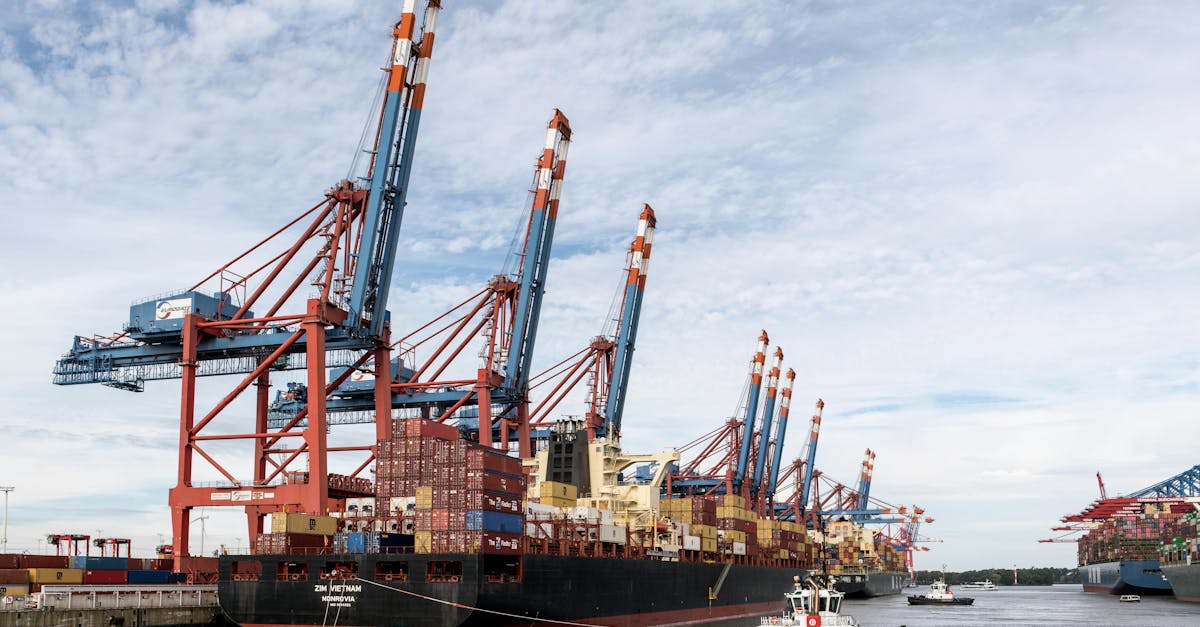
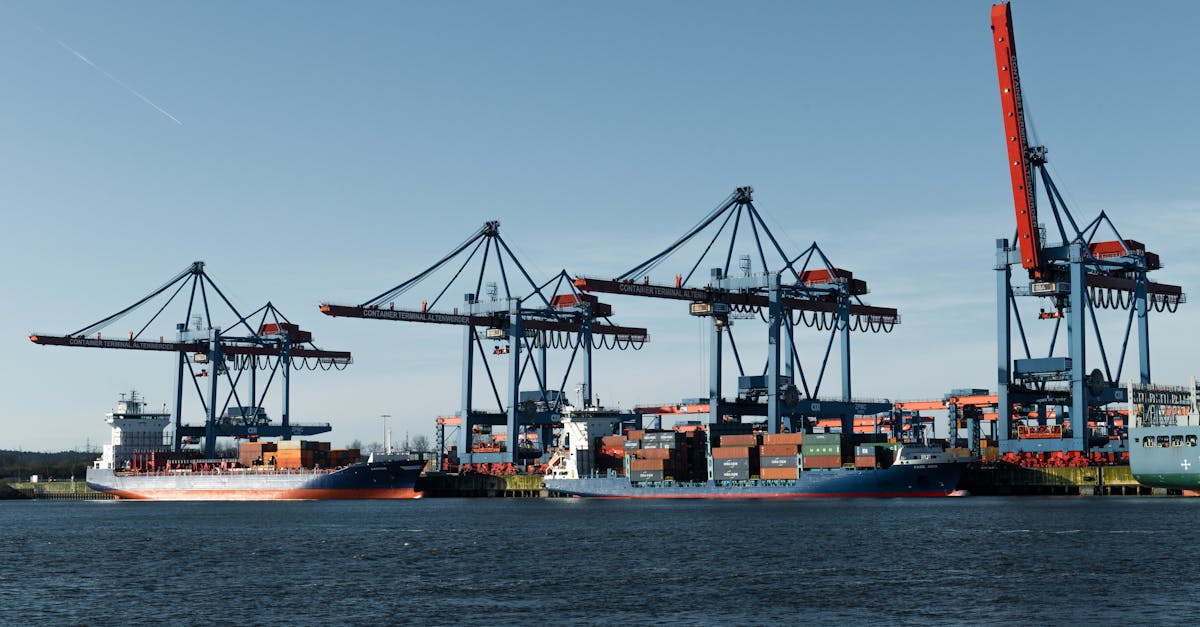
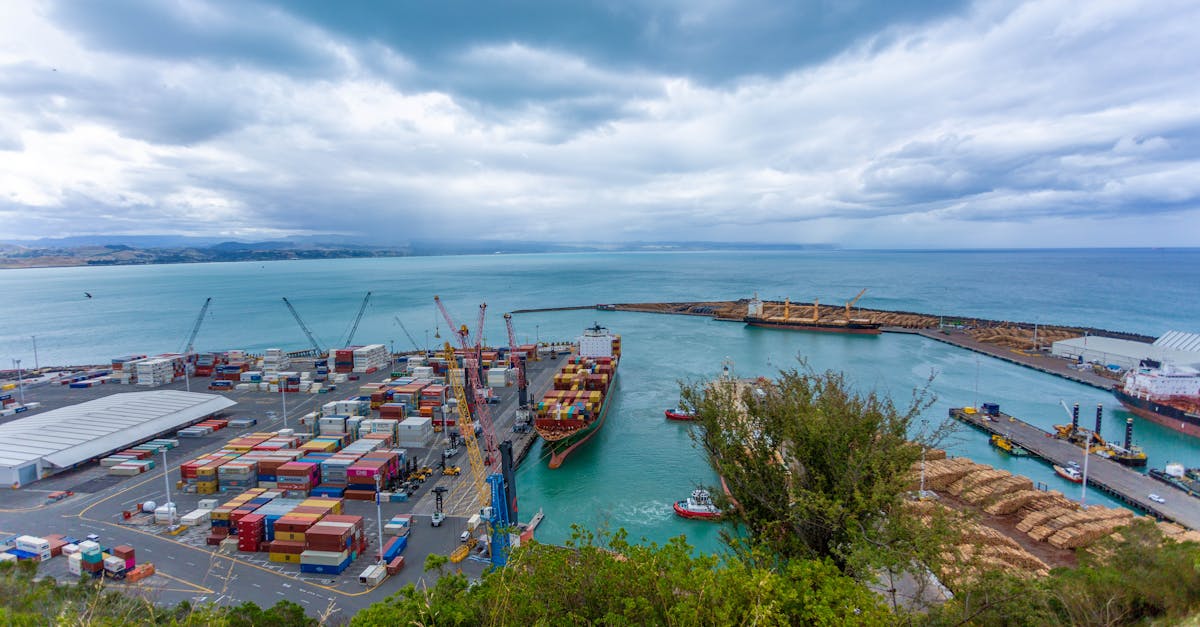
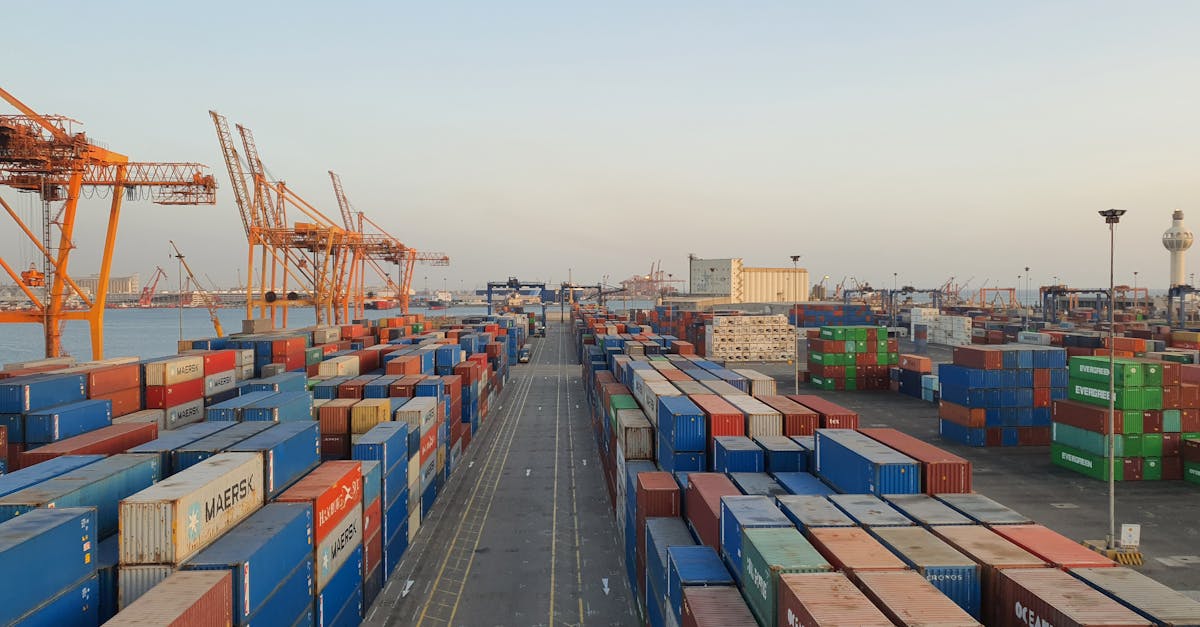
Mary’s plight illustrates a broader economic narrative affecting many small businesses across the United States. The trade balance, which measures the difference between a country’s exports and imports, plays a crucial role in this dynamic. As of the latest adjustments reported on August 30, the U.S. trade deficit expanded to $69 billion in July. This figure is akin to a massive hole developing in the economy — one that struggles to be filled by the output of local businesses like Sweet Delights.
The Sweet Cost of Imports
As Mary looks over her financials, she observes that while her expenses for flour and sugar remain fairly stable, the surge in cheaper imports from overseas has significantly undercut her pricing power. In July alone, the import of consumer goods rose 1.5%, drawing in an influx of products that not only compete with her cakes but also her ability to maintain a steady workforce. Imagine that: when consumers opt for a $10 imported cake instead of a $20 local masterpiece, Sweet Delights loses not just a sale; it potentially loses a loyal employee.
Economic modeling suggests that for every $1 billion increase in the trade deficit, approximately 7,500 jobs could be at risk in domestic industries. When looking at the national level, many small businesses like Mary’s are feeling the pinch. The sluggish growth of exports, only climbing 0.1% in June, means a meager prospect for compensation.
The Ripple Effect Felt at Home
Just last week, Mary had to decide against hiring extra help for the holiday season — a decision that weighed heavily on her heart. She knows that pulling back on staffing has consequences beyond the bakery. It means fewer smiles from those who usually help craft the festive cakes and, more importantly, a reduced family income that trickles down to everyday spending in the local community.
Simultaneously, farmers who supply Mary with fresh produce also feel the pressures of an uneven trade balance. With the export of agricultural products witnessing a stagnant growth of merely 2% compared to the previous year, local farmers find it difficult to compete with lower-priced imports. Each box of imported fruit sits proud on the store shelves, drawing consumers to them — even if the taste doesn’t compare to fresh, local produce.
This intricate balancing act — between maintaining quality, pricing, and sourcing — showcases the ripple effect of trade imbalances felt in households across America. Where once there were jobs thriving in local artisanal settings, there is now a struggle for survival as these businesses grapple with the larger implications of international trade policies.
Finding Hope Amidst Challenges
Despite the challenges faced, there is a silver lining. Mary remains ever-tenacious; she has begun hosting tasting events, where locals can sample her cakes alongside those of regional bakeries, hoping to reignite their passion for supporting local. There’s a new understanding among communities about how vital local spending is to their economies. Sweet Delights has become more than a bakery; it’s a reminder that despite the odds, familial bonds, community support, and quality craftsmanship still hold value.
As she hands over a piece of double-chocolate cake to a child beaming with joy, Mary feels a spark of hope. There’s a growing awareness about the need to support homegrown businesses amidst a challenging trade environment. In this way, every slice served becomes a testament to resilience in the face of a changing tide, reinforcing the idea that local economy and community touch each individual.
Back at Sweet Delights, Mary may not control the trade balance, but she can certainly influence the taste preferences of her community. By continuing to invest in local sourcing and celebrating the unique flavors of her state, the family bakery stands tall against the waves of competition, navigating through the complexities introduced by global trade.