Navigating Trade Winds: A Family’s Journey Through Exports and Balance
Imagine the Johnson family, living in a cozy suburban neighborhood, where weekend barbecues are as frequent as discussions about family budgets. Mark, the father, works for a manufacturing firm that specializes in exporting machinery overseas. It’s his job to keep track of the intricacies of international sales, and lately, he’s been worried about how their income might fluctuate with changes in the trade balance.
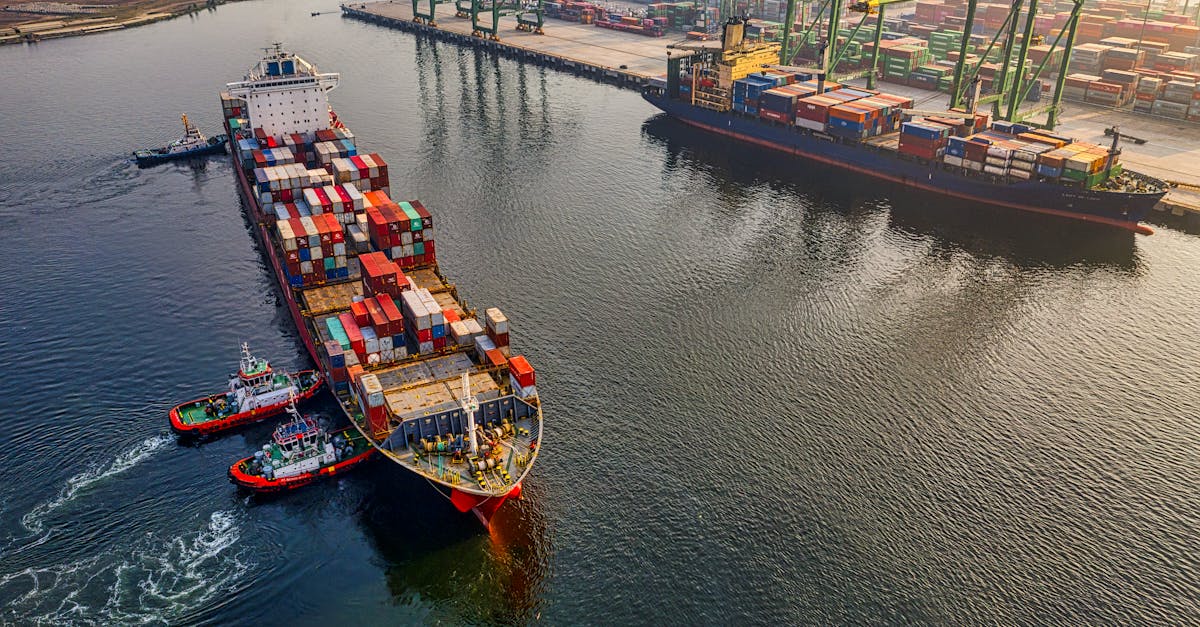
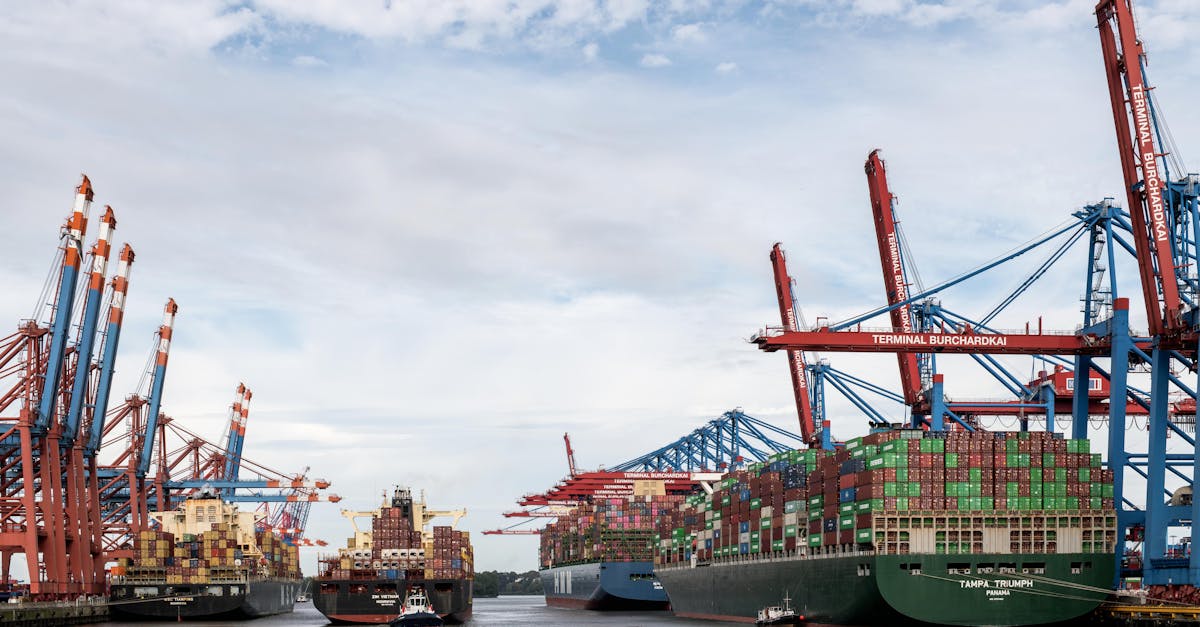
Just last month, his company secured a lucrative deal with a firm in Germany. This contract, valued at $2 million, not only promises to bolster the local economy but also adds a personal touch to Mark’s worries as he considers what that influx of cash could mean for his family. According to the Bureau of Economic Analysis, U.S. goods and services exports reached approximately $2.53 trillion in the last quarter, a significant rise from previous periods, especially due to strong demand from global markets.
As their backyard fills with laughter and the smell of grilled burgers, the Johnsons can’t help but feel the effects of their father’s work. For every piece of machinery that leaves their factory, there lies an intricate web of economic conditions shaping U.S. trade. Currently, the trade balance shows a deficit of around $73 billion, which translates to imports outpacing exports by a substantial margin. This deficit, equivalent to the annual income of about 500,000 average American families, can weigh heavily on Mark’s mind, especially when international competitors like China and Germany are often leading in exports in sectors such as technology and consumer goods.
The Ripple Effect of Trade Policies
What does this mean for the Johnson household? History has shown us that trade deficits directly affect local economies, job stability, and income levels. With the federal government pushing for policies that boost domestic production, Mark’s company stands at a crossroad. A thriving export sector can mean not just job security but also enhancements in their daily lives: better schools, safer neighborhoods, and maybe even that vacation to Hawaii they’ve been dreaming about. However, a plateau or drop in export activity due to restrictive trade policies or international tensions can cause reverberations that touch the Johnson family’s finances.
As the sun begins to set, the conversation between Mark and his wife, Sarah, shifts to the recent news about tariff discussions. The prospect of new tariffs being placed on imported goods means their company could face higher costs for raw materials, which could cut into their profit margin. If they have to raise prices, it’s not just the business that suffers; it’s every household that relies on Mark’s income. Furthermore, the Federal Reserve’s actions concerning interest rates can shape how credit costs are perceived by families like the Johnsons. A 25 basis point increase might seem minor, but for families eager to renovate their homes or buy new cars, suddenly those decisions come with new financial baggage.
The Global Puzzle
The Johnsons are not alone in this precarious space, of course. As the U.S. economy teeters on the fine line of trade balances, every family’s story echoes in the national narrative. Moreover, exports account for roughly 12% of the U.S. economy, creating an intricate relationship between local incidents like new contracts and international fiscal strategies. Just imagine if one sector, perhaps renewable energy, suddenly saw a boom in exports — the jobs created could fundamentally shift the economic landscape.
As darkness settles in and the embers in the grill fade, Mark feels a mixture of uncertainty and optimism. He knows that the decisions made in Washington have the power to change their lives in profound ways. The direct link between his job, trade balances, and the family’s future hangs in the air, almost as tangible as the smoke from the barbecue. Every export made is not just a number on a balance sheet, but a chapter in their family story, a testament to how intertwined lives are with the ebb and flow of global trade.
And with that, the Johnsons close another day aware of the broader economic currents that shape their lives and dreams, finding solace in the simple joys of family while keeping an eye on the world beyond their backyard.