The Ramirez Family and Their Global Connections
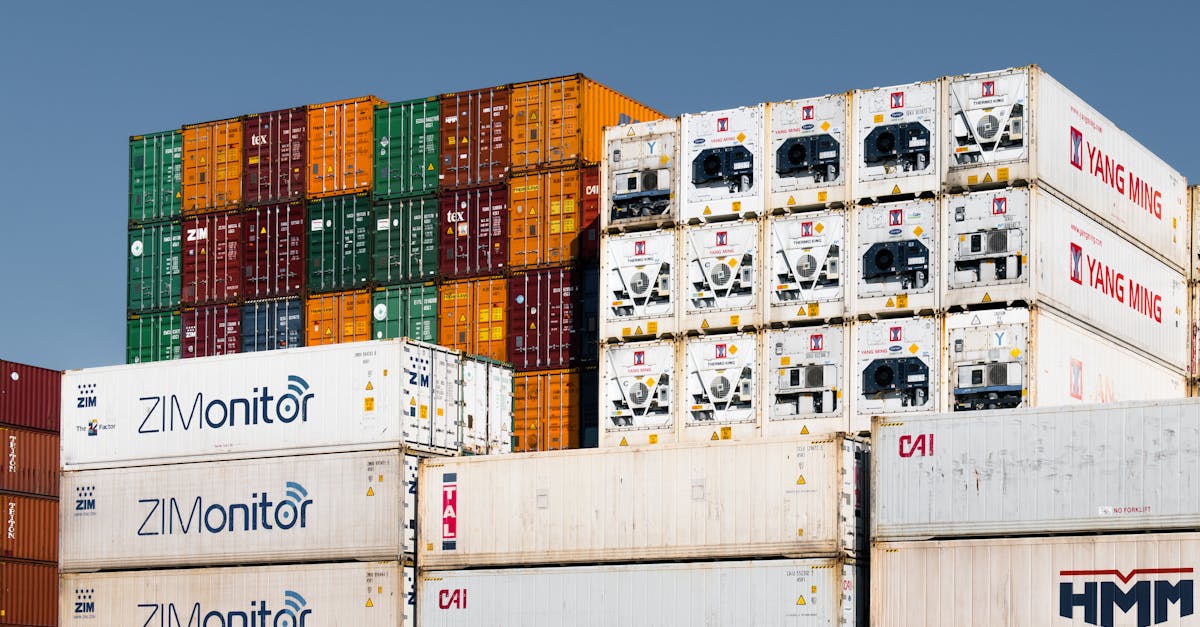
Maria Ramirez carefully counts the orange juice cartons as she stacks them in a cooler at her family’s grocery store in Miami. Each carton represents not just a product but the culmination of a global journey - harvested in Florida, frozen, and sent to markets across Europe. This year, her store has seen an uptick in demand for exports, and this local trend reflects the broader story of U.S. trade balance and exports.
In the first half of the year, the United States exported goods worth $1.45 trillion, a figure that signifies a substantial component of the country’s economic activity. That’s roughly equivalent to the gross domestic product of Spain, showcasing just how integral exports are to the American economy. Maria feels this vitality in her store; customers are increasingly seeking out imported goods, something her family has always encouraged.
Thinking back, she recalls the last holiday season and how her family received pallets of exported avocados from Mexico and chocolate from Switzerland, both contributing to festive meals. Such exports not only enhance the variety available to local shoppers but also bolster U.S. trade balance, which, as the Bureau of Economic Analysis reported, showed a trade deficit of $74 billion, a slight dip compared to previous months — a hint at improving export figures.
Export Trends: A Silver Lining
Maria is aware that her local economy is interlinked with these larger data trends. For instance, the services sector—comprising financial services and travel—was also part of the export boom, amounting to roughly $300 billion in recent estimates. These services contribute significantly to reducing the trade deficit, allowing families like hers to enjoy a wider array of international products.
Imagine the local construction worker, Tom, who recently landed a contract because his company was able to source high-quality materials imported from Canada. For Tom, the surge in construction exports leads to more jobs and, as a byproduct, more spending power to support local businesses like Maria’s. The American construction industry has gained momentum, with exports accounting for nearly 13% of the materials used. This symbiosis—workers benefiting from trade balance improvements—paints a picture of a nation growing together.
The Ripple Effect on the Community
Maria’s grocery store isn’t an isolated case; it’s a microcosm of American consumers benefitting from a diversified market made possible by international trade. As she serves customers, she can confidently assure them that many of her products come from sustainable sources and meet certification standards that make them appealing to brands around the world. The fact that U.S. exports have soared in categories like agricultural products highlight the industry’s adaptability and resilience—the same qualities Maria imbues in her family’s grocery as she offers unique products to attract a broader customer base.
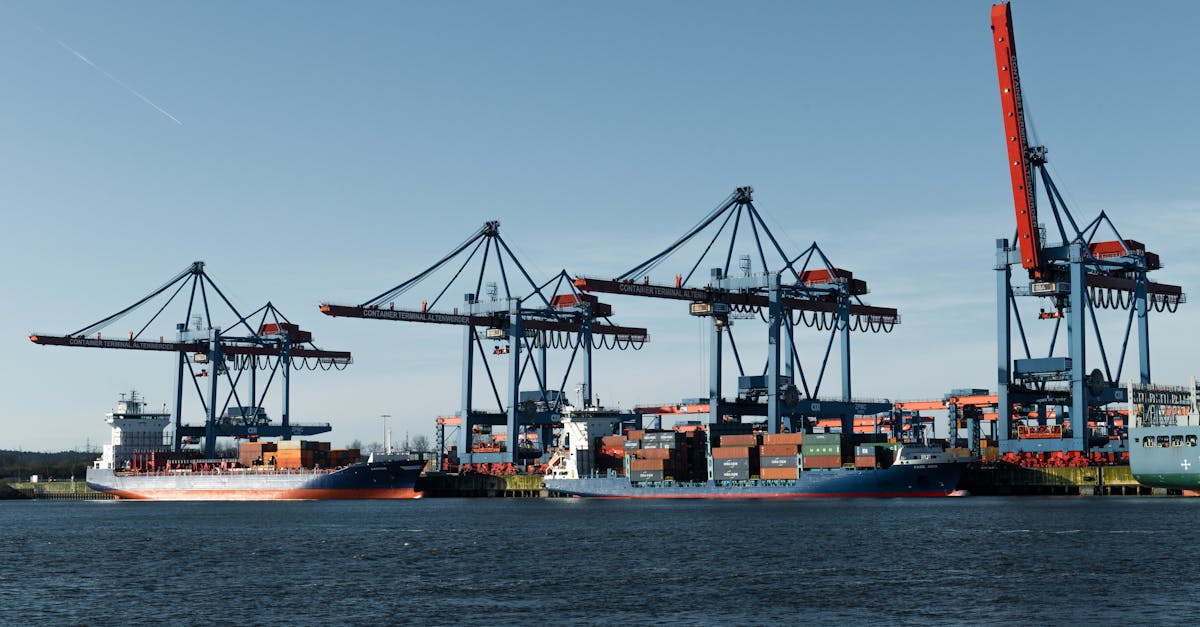
To illustrate, U.S. agricultural exports exceeded $177 billion, which includes corn and soybeans predominantly, sources of income for farmers across the Midwest, while they create an endless chain of work for logistics and shipping businesses, ultimately feeding into local stores like hers.
A Circular Economy
As the sun sets on her busy day, Maria steps outside her shop. She watches families walk by, bags filled with diverse products. She smiles, realizing that each item in her store reflects this complex web of trade balance and exports that is continuously evolving. Her family’s business flourishes on the backs of this intricate global system; every avocado and carton of orange juice tells a story of international cooperation, resilience, and community support.
In the end, the trade dynamics and balance reflect not just numbers on a page but the lived experience of families and businesses across the nation. As families like Maria’s navigate their paths, they anchor this economic journey—a vivid reminder that each export not only benefits the economy broadly but also transforms local lives in tangible ways.