A Day in the Life: The Johnsons and Their Grocery Bill
On a balmy Saturday afternoon, the Johnson family heads to their local supermarket in suburban Chicago. With a loyal shopping list in hand, Lisa Johnson eyes the price tags, hoping to fill the pantry without breaking the bank. As she strolls past aisles brimming with imported goods, each item sparks a thought about the broader economic landscape. From coffee beans originating in Colombia to olive oil sourced from Italy, their grocery cart symbolizes a larger trend in the U.S. trade balance, a crucial aspect of the economy that can sometimes feel distant and abstract.
Lisa isn’t alone in her reflections. As of August 2023, the U.S. trade deficit stood at an alarming $69 billion, representing the difference between imports and exports and echoing the kind of decisions that a family like hers faces every day. The deficit is often compared to a leak in a ship; it indicates that the country is purchasing more from the rest of the world than it is selling, a concern for many policymakers and economists alike. To put that deficit in perspective, it’s roughly equivalent to the annual wages of over 1 million Americans—jobs that could have been created or sustained by more robust export activity.
The Roots of Trade Imbalance
But how do these numbers translate into everyday life for the Johnsons? As she scans the shelves for her daughter’s favorite snacks or the freshest produce, Lisa cannot help but consider how U.S. exports are intertwined with these choices. In 2022, the United States exported goods worth approximately $1.74 trillion, a staggering figure that underscores the importance of foreign markets. It’s a reminder that even the most basic grocery runs can serve as a microcosm of global trade dynamics.
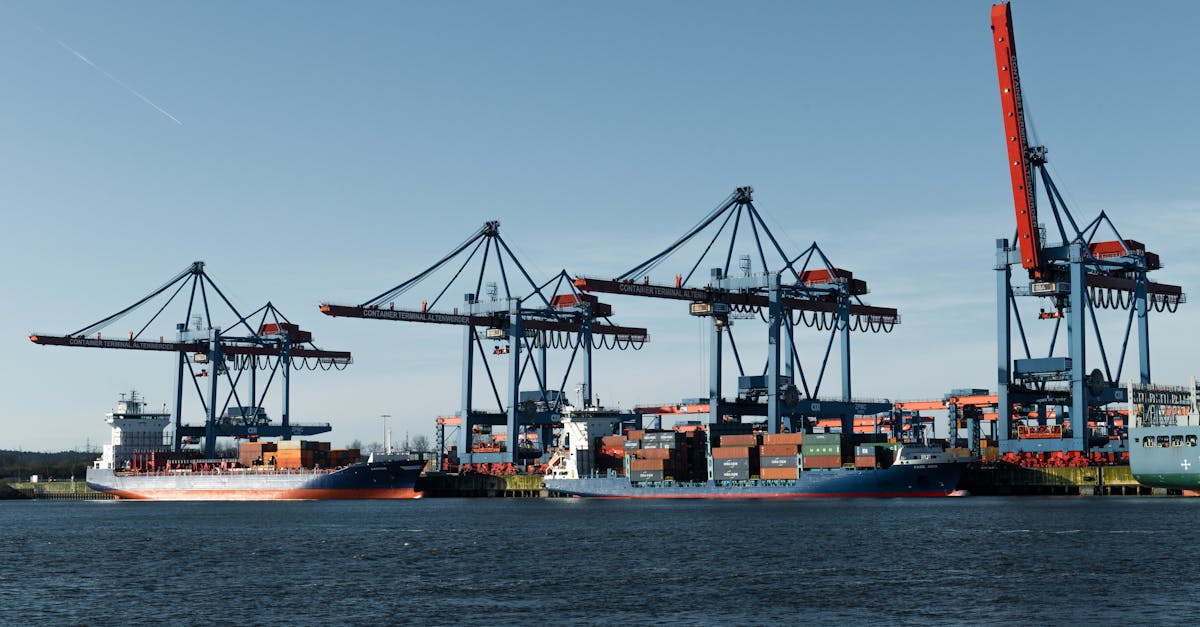
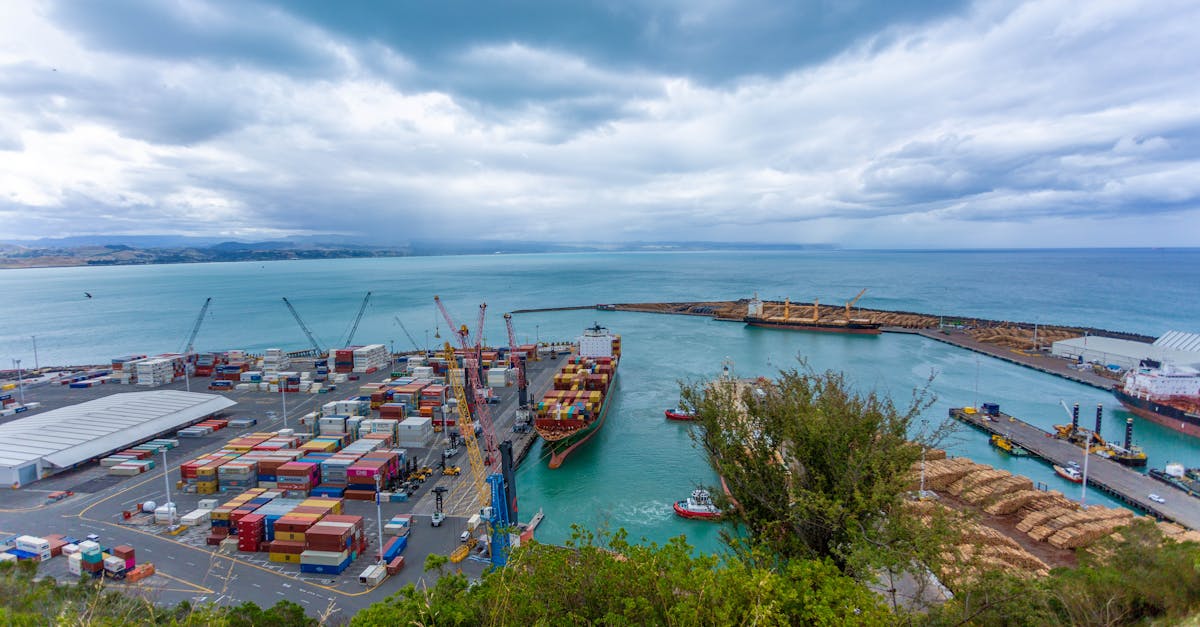
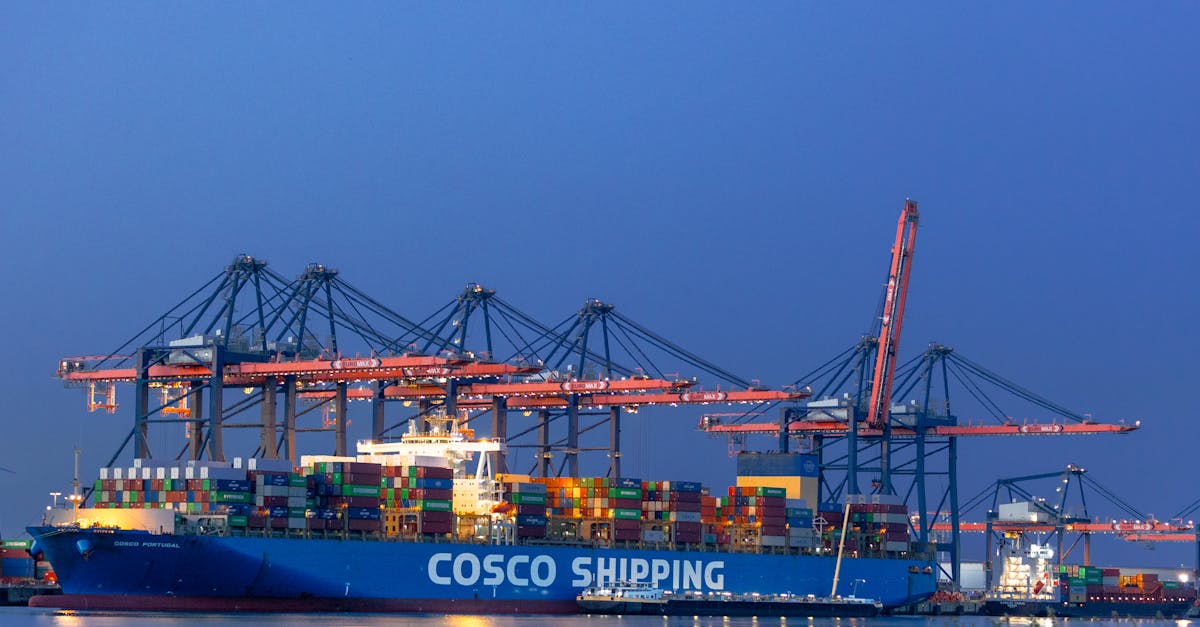
Imagine that every dollar spent on imported cheese or French wine could potentially reflect the economic vitality of American farmers and manufacturers. As they enjoy their imported items, they might pause to consider that the transportation of goods across borders does not just signify a trade relationship; it embodies the strength (or weaknesses) of a nation’s economy.
Silent Struggles of Local Producers
While Lisa fills her cart, just a few blocks away, a small cheese factory struggles to compete. Despite offering one of the best artisanal cheeses in the Midwest, the owner faces challenges as imports flood the market, often at lower prices. This small business reality illustrates the ripple effects of the trade deficit and highlights the importance of export strategies. In the main sector of dairy exports, the U.S. managed to sell about $7.5 billion in cheese and dairy products abroad, feeding foreign appetites while domestic producers wrestle with the impacts of imported alternatives.
This paradox isn’t lost on Lisa. Fresh mozzarella crafted right down the street isn’t just a tasty ingredient; it represents local jobs, community pride, and economic resilience. Yet, as she weighs her options, she still opts for the more recognizable, cheaper option imported from another country. Decisions like this collectively string together into a narrative that shapes the trade balance.
The Circular Connection
As the Johnson family finishes their grocery trip, they inadvertently feed into the broader economic picture, defined by complex interdependencies. The $1.5 trillion in importation during the same period illustrates how consumption patterns reflect and impact local industries. With U.S. manufacturing and exports directly influenced by international demand, each dollar spent reverberates through neighborhoods and townships across America.
Lisa leaves the grocery store with her goods but takes with her a greater understanding of how essential her preferences are to the economy. It becomes clear that understanding trade isn’t merely about numbers; it’s about recognizing the impact on local businesses, jobs, and even family decisions at each checkout line.
As they return home, the Johnsons find themselves not just as consumers but also as a thread in the intricate fabric of the trade system that binds their local community to the global marketplace. Their Saturday jaunt may have started with shopping, but it concludes with newfound economic insight—woven into every item on their kitchen shelves.