The Bakery on Maple Street
On a sun-dappled Saturday morning in a quaint town, the hum of a mixer fills the air at Clara’s Bakery, a family-owned business run by Clara and her husband, Sam. They’ve crafted a reputation for artisanal breads and pastries that beckon locals and tourists alike. Today, they’re experimenting with new flavors inspired by distant lands — a nod to the international trade that supplies exotic spices and ingredients.
As Clara carefully pours saffron from Spain into her mixing bowl, she thinks about how recent fluctuations in the trade balance have affected her ability to source these goods. The family has always prided themselves on quality, emphasizing the importance of imported materials. However, the dynamics of exports and imports are like weather patterns; favorable conditions can yield bountiful success, while storms can wreak havoc on the supply chain.
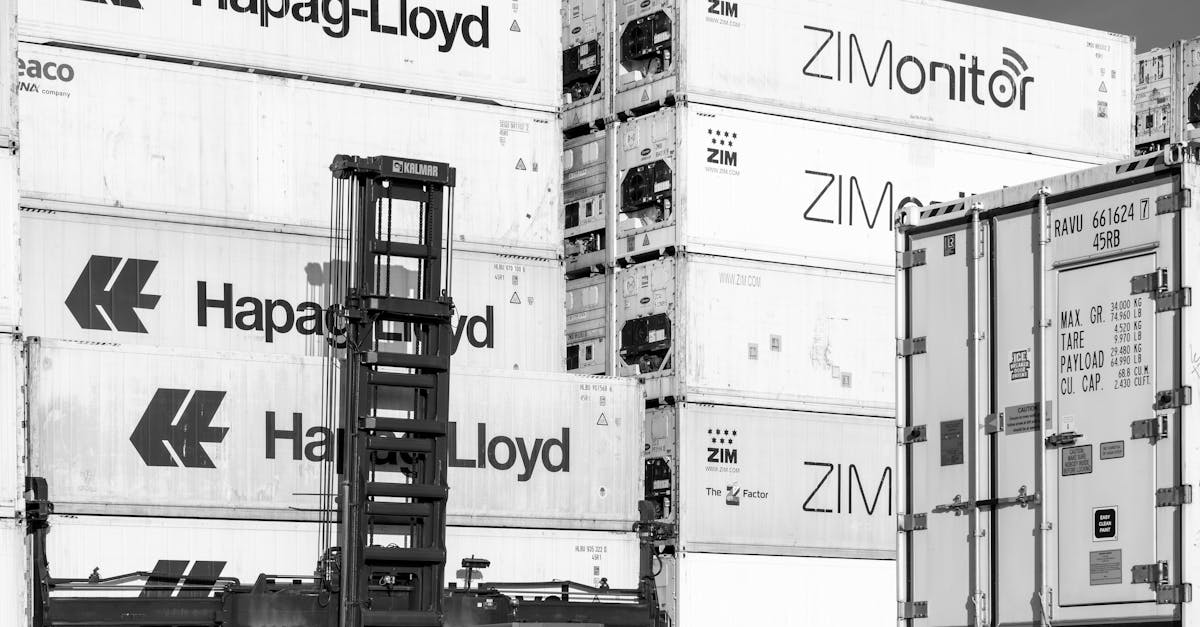
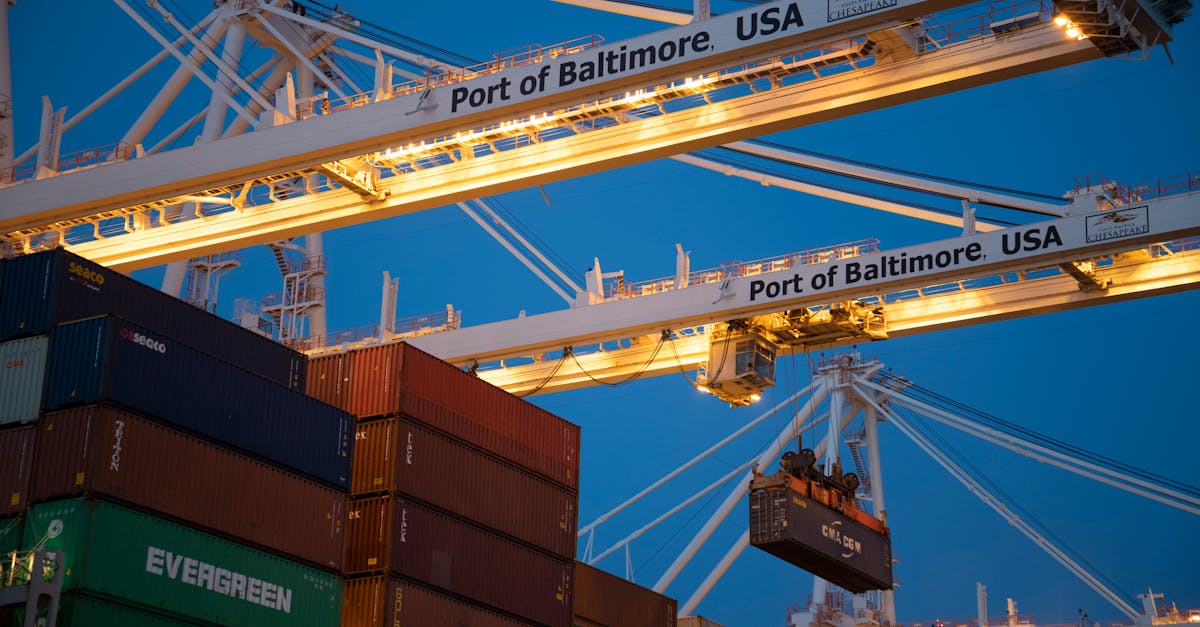
The United States’ trade balance has been a topic of significant discussion, particularly given recent data. The Bureau of Economic Analysis reported a trade deficit of approximately $69 billion in August, an uptick from earlier this year. This imbalance means the U.S. is importing more than it is exporting, a state of affairs that can affect everything from the price of ingredients to the cost of finished goods. For Clara, each dollar spent on imports is a direct hit to her profit margins.
Interconnected Flavors and Pricing
To put this into perspective, assume Clara had to raise the price of her specialty breads by $1 due to increased costs from international suppliers. That might not sound significant, but for the family of four that stops in every Saturday, that adds up to $52 more spent each year on their weekly treat. For a bakery like Clara’s, where regulars account for a substantial portion of sales, even small shifts can lead to notable revenue changes.
Meanwhile, federal data from the Bureau of Labor Statistics shows that while inflation has moderated, prices for food had seen a noticeable bump—up nearly 4.3% year-over-year. This inflationary pressure is exacerbated by the trade imbalance, as import costs inevitably trickle down to the consumer. Clara has found herself in a precarious balancing act, trying to maintain quality while keeping prices accessible for her loyal patrons.
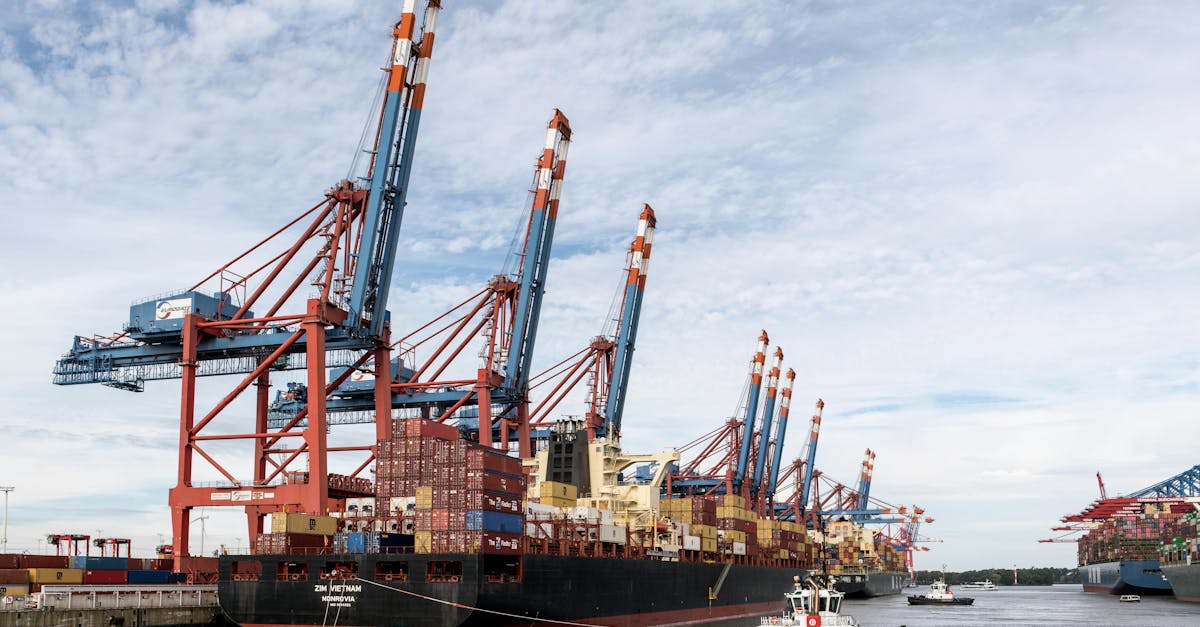
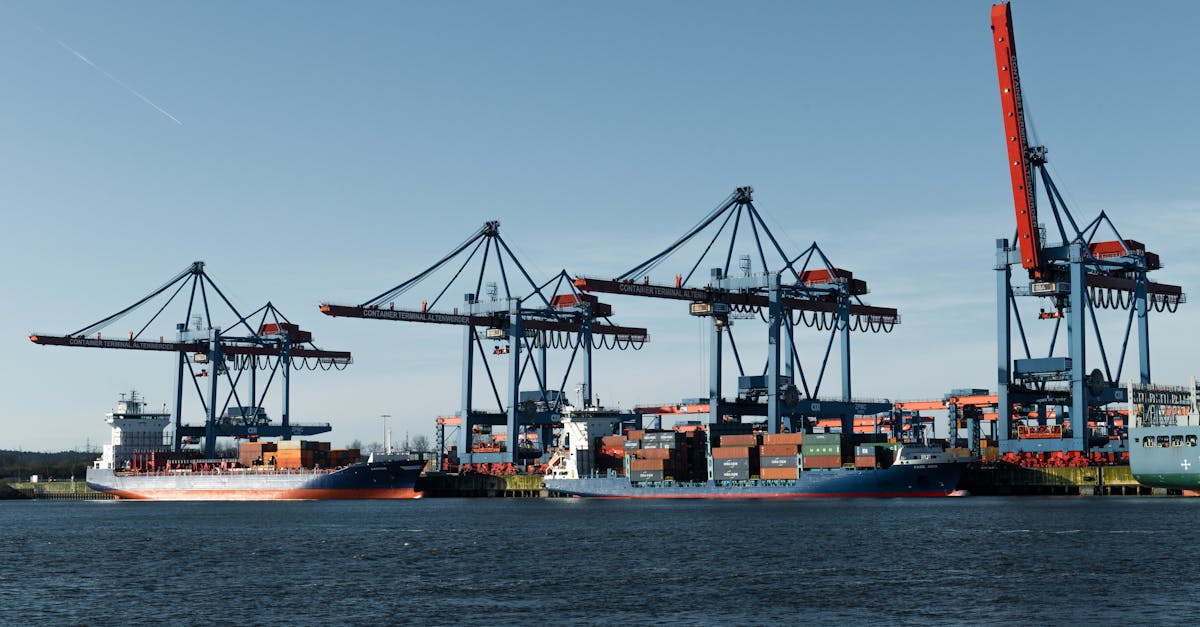
Yet it’s not just imports that impact Clara. Exports also play a crucial role in her story. The U.S. exported $132.4 billion in goods in August, indicating a strong desire to push American-made products onto the global stage. For a bakery, the idea of exporting some artisanal goods might seem far-fetched, but Clara fantasizes about the day when she could ship her famous pumpkin spice muffins to cafes in Europe — a small slice of the $250 billion market for U.S. food exports.
The Heart of the Community
Clara’s Bakery serves as a microcosm of the larger economic forces at play. Just as she carefully crafts each loaf, the nation’s economy is a delicate recipe that combines local businesses with global trade dynamics. The fluctuating trade balance can lead to changes in local economies, affecting not only prices but also job security and growth opportunities. In a tight labor market, where jobs are precious, a decrease in sales due to cost hikes could mean fewer hours for employees — a reality that fills Clara’s heart with concern when she thinks about her three part-time workers.
As the sun sets over Maple Street, the lights in the bakery glow against the evening sky. Clara reflects on the challenges and opportunities the trade balance presents and understands that every loaf of bread she sells has a story tied to broader economic currents. Her determination to innovate and adapt keeps her afloat amidst uncertainty, showcasing the resilience of small businesses navigating the complexities of trade.
In her heart, Clara believes that the sweet smell of her freshly baked goods has the power to transcend borders, connecting people through flavors — a reminder that the family table is intimately tied to the global marketplace.