Navigating Trade Waters: A Family’s Journey through Export Dynamics
The Jenkins Family Bakery and Their Flour Dilemma
In the heart of suburban Ohio, the Jenkins family bakery has been a cornerstone of their community for nearly two decades. When John Jenkins, the stern yet soft-hearted father, decided to expand his beloved bakery’s footprint, he had dreams of taking his artisanal bread across state lines and perhaps even overseas. Little did he know, his dreams would soon be intimately tied to the country’s trade balance.
Last month, John placed an order for high-quality flour sourced from Europe, anticipating not only a delightful flavor for his rising loaves but also a potential bump in sales. The ingredients cost him $500. However, as he prepared to increase production, he was met with an unsettling reality of the trade balance — a measure of the difference between the value of exports and imports.
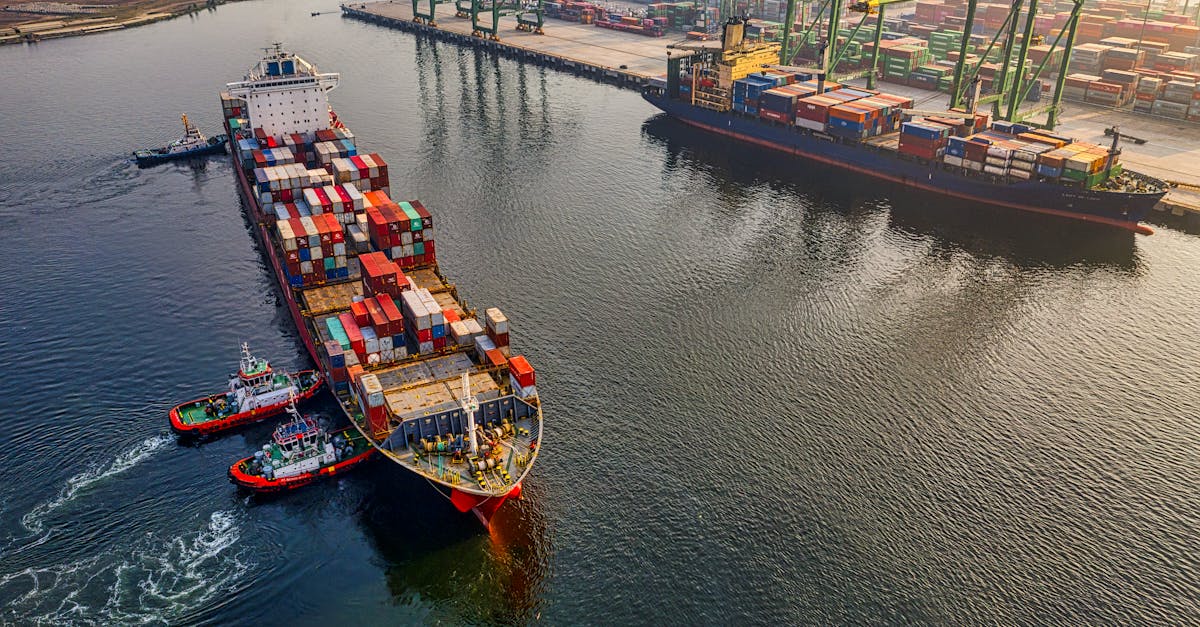
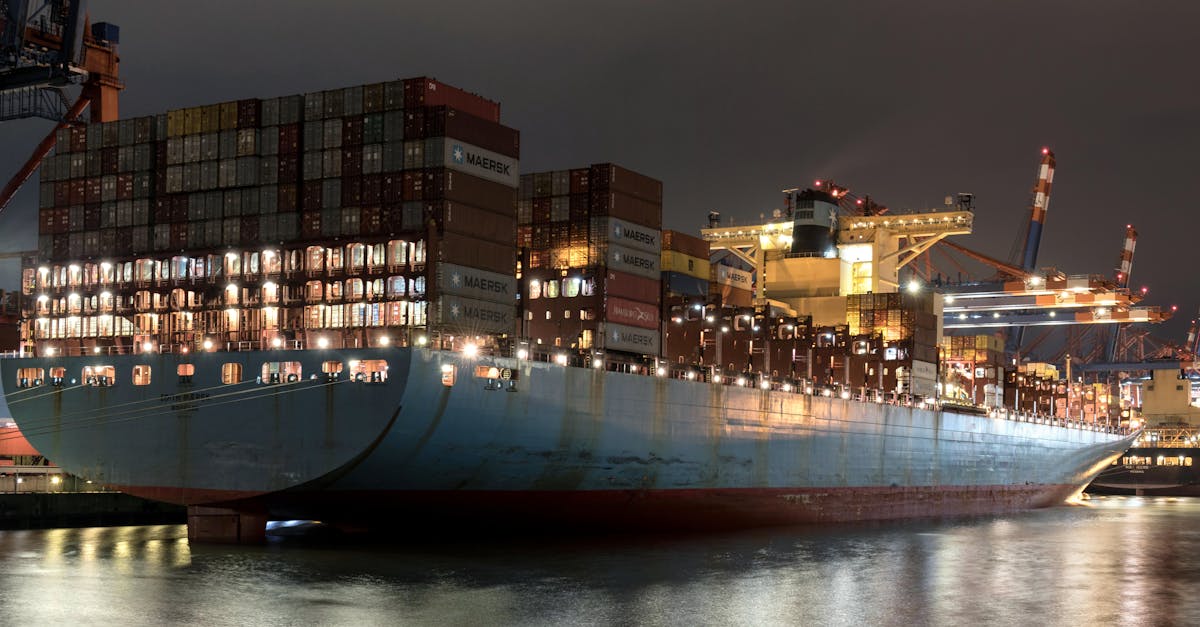
According to the Bureau of Economic Analysis, the U.S. trade deficit widened to $67 billion in the last reported month, where the imports of goods such as his flour far outweighed exports. For context, this deficit is roughly equivalent to the annual budget of a small town, highlighting a stark reality for local businesses like John’s.
The Ripple Effect of Rising Imports
With the widening deficit making headlines, John felt the direct impact. While his flour imports were rising, the competition from international bakeries also increased. For instance, European breads with their centuries-old recipes flooded the market. The Federal Reserve’s data indicated that while U.S. exports managed to reach approximately $226 billion, they didn’t create enough momentum to offset the costs of these soaring imports.
Imagine that for every $1 worth of exports, businesses like John’s had to compete against $1.30 worth of imported goods. This disproportion made it increasingly difficult for local produce to stand out on the shelves. The Jenkins couldn’t help but notice those imported loaves being sold alongside their artisanal creations — often at prices too tempting for consumers.
Exporting Values Beyond Goods
While the Jenkins bakery faced tough competition, it wasn’t just about flour and bread. John decided to shift his strategy by focusing on exporting not only his goods but also the values behind them — quality, local sourcing, and community. Inspired by the ongoing discussions around the trade balance, the bakery pivoted towards baking classes and packaging unique recipes reflective of American culture. By incorporating local ingredients, he regained some of the market he feared was lost to big imports.
Surprisingly, engaging with the community in these classes turned into a productive export in itself. Local residents learned traditional baking techniques, and as interest surged, many looked to acquire ingredients for their own creations. The Jenkins’ story eventually caught the eye of a regional food festival, which invited them to showcase their products, not just as local bread but as a small slice of American ingenuity.
A Lesson in Resilience
In facing the shadows of the trade imbalance, the Jenkins family inadvertently discovered the strength of resilience. Their humble bakery turned not just towards exporting products but towards exporting values, fostering community relationships that transcended mere transactions.
As they reinstated local pride, the Jenkins family thrived, selling their stories along with their bread. The observation that trade doesn’t merely pivot on numbers but on the connections of people remains vital. Once distressed over international competition and the expanding trade deficit, the family’s perspectives transformed — they found ways to adapt and succeed amidst challenging dynamics.
Just as they thrive on baking bread, John and his family now see every loaf as a conversation starter about quality, care, and community, weaving their story into the complex narrative of exports and the American landscape.
Through their journey, the Jenkins family showcases how local businesses can navigate, and sometimes even benefit from, the intricate web of trade dynamics, reminding us that within every statistic, there’s a beating heart of resilience and innovation.