A Day in the Life of the Garcia Family
On a crisp Tuesday morning in suburban Chicago, Clara Garcia juggles breakfast preparations while her two children rush to gather their backpacks. As she scrambles to get everyone ready, Clara reflects on her husband Javier’s recent promotion at a local manufacturing firm—one that specializes in exporting innovative tech parts to Europe and Asia. The small family thrives on the prosperity generated by Javier’s job, a direct reflection of how well the American economy has been faring in international trade.
Waves of Exports and Imports
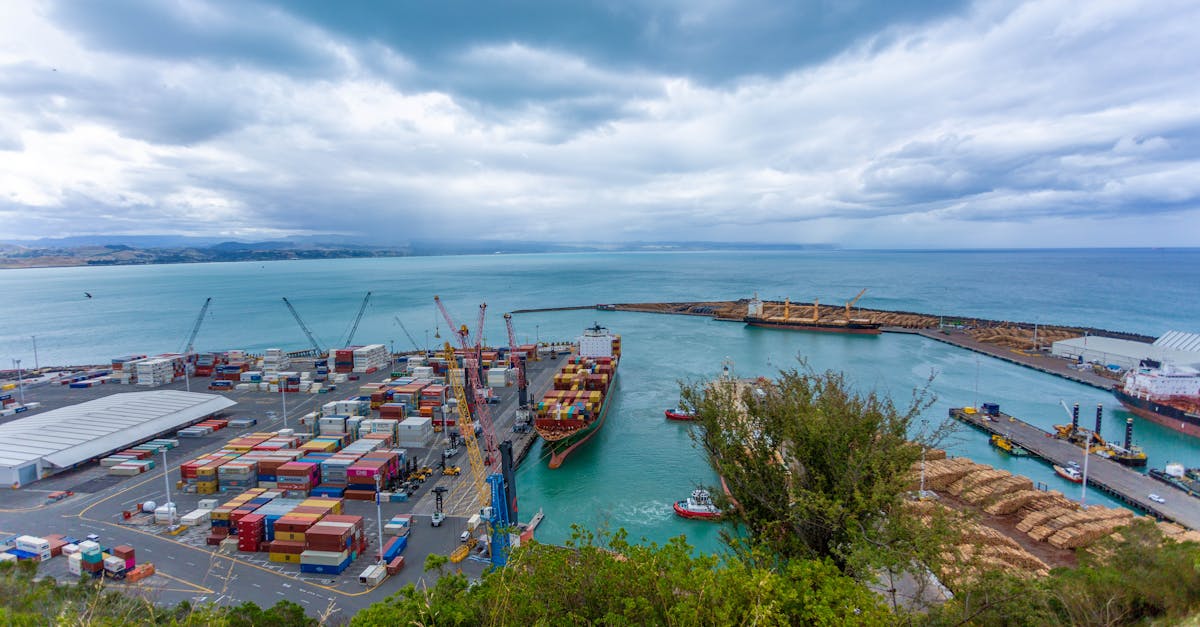
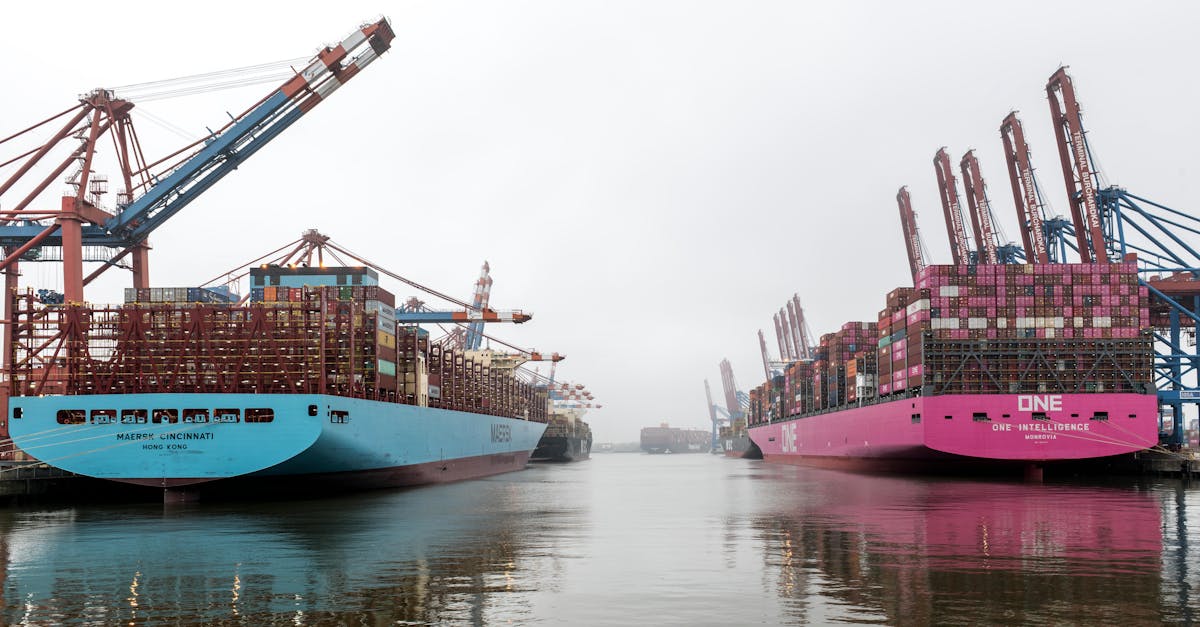
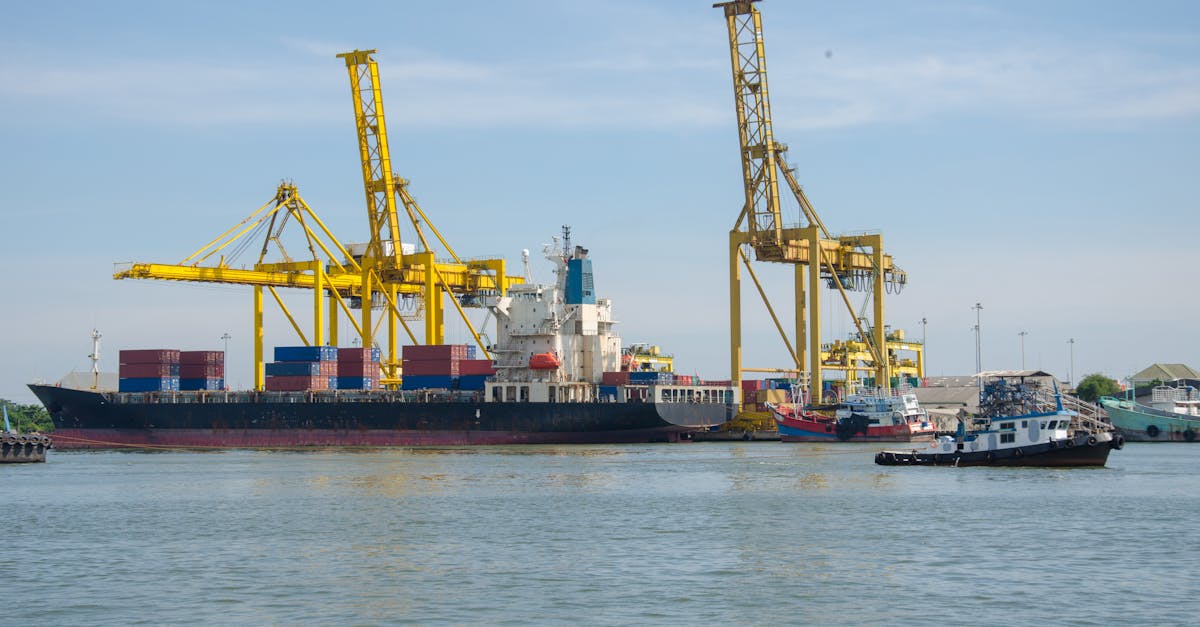
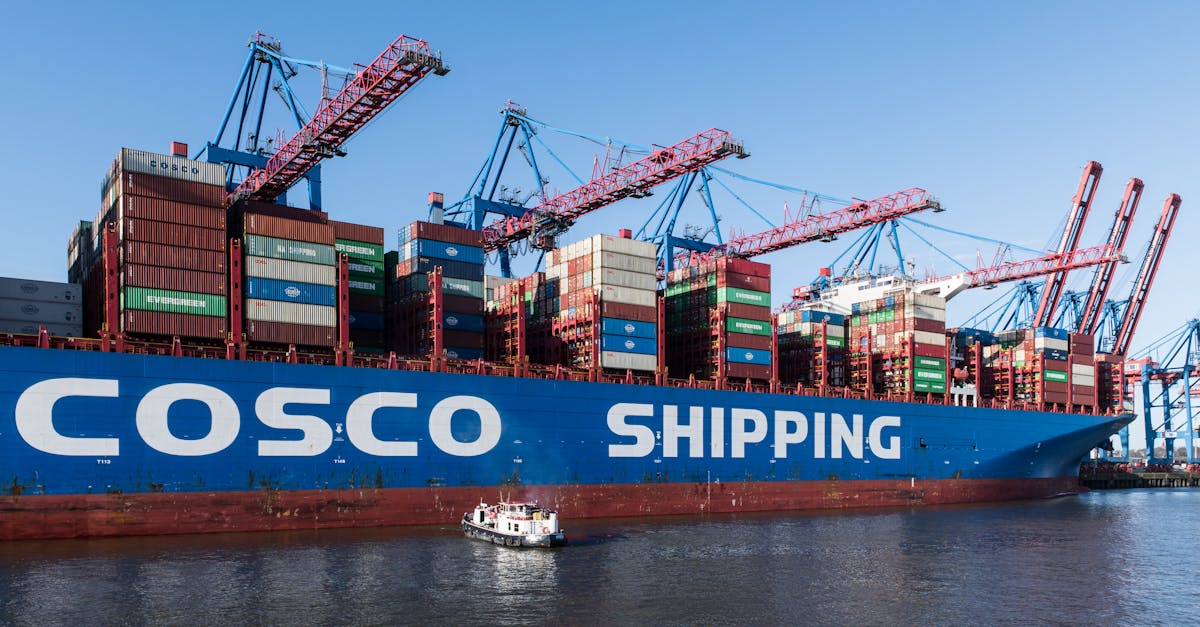
As Clara pours orange juice, she can’t help but think of the broader currents of the economy shaping her family’s financial stability. Recent reports from the Bureau of Economic Analysis (BEA) revealed that in the most recent quarter, U.S. exports grew by more than 2% from the previous period, tallying up to approximately $241 billion. This surge translated to increased orders for Javier’s company, illustrating the direct link between international demand and local job security.
Meanwhile, import data painted a contrasting picture, with imports swelling to nearly $314 billion, creating a trade deficit of roughly $73 billion for that same quarter. This imbalance could have potential implications for Clara and her family if overseas demand dwindles. The dynamics of supply and demand play a crucial role here; when the U.S. imports more than it exports, it may foster job insecurity in export-dependent sectors.
The Personal Impact of Trade Policy
With President Biden’s administration advocating for competitive trade policies, Clara can sense shifts in the atmosphere. New tariffs on electronics imported from specific markets have led to rising prices—not just on store shelves but also in their household budget. A recent report from the Federal Reserve suggested that inflation rates reached 3.7%, impacting everything from groceries to gas prices. Clara’s once-reliable shopping list now bears the markings of inflation—a stark reminder of how even a seemingly distant policy can nip at the heels of everyday life.
To help her family stay afloat amidst the rising costs, Clara has had to reprogram her household budget—switching from imported organic produce to local options, and checking for weekly sales more diligently. The interconnectedness of their lives with global markets unfolds like a vast tapestry, where every thread—be it a tiny electronic component Javier’s company exports or the apples from a nearby orchard—contributes to the overall economic picture.
Locally Grown Impact
Interestingly, the uptick in exports can be metaphorically likened to a ripple effect on local farmers. As manufacturers like Javier’s thrive, they tend to order more machinery, parts, and tools, fostering demand for raw materials from various local suppliers. The synergy between locally produced goods and globally exported innovations creates a fabric of interconnected prosperity. In fact, recent statistics from the Bureau of Labor Statistics (BLS) highlighted that the manufacturing sector saw a growth rate of 1.5%. For Clara’s family, that means more options, competitive pricing, and even opportunities for her children’s future.
Returning to the Family Table
As Clara serves up breakfast, the news anchors on the television discuss trade balance and its implications for the economy. Her children rush to the table, laughter filling the air, oblivious to the economic intricacies swirling around them. Yet, it is this economic choreography—exports boosting manufacturing jobs, imports affecting local pricing, and policy decisions shaping the marketplace—that ultimately influences the pint-sized family of four.
Trade is no longer an abstract concept; it’s encapsulated in each decision made in the Garcia household, from the dinner they prepare to the stability of Javier’s job. As Clara watches her children eagerly devour their pancakes, she knows that the progress of their small family ties back to the broader narrative of U.S. trade. It might not seem significant on the surface, but every dollar earned through their community’s manufacturing sector softly echoes in their lives, highlighting the promise and perils of the global market.