A Family’s Journey Through Trade
When Samantha and John Thompson decided to expand their small but growing artisanal craft business, they were filled with excitement. Located in a cozy corner of Grand Rapids, Michigan, the couple had successfully sold custom furniture pieces at local markets and online. However, they had a vision: to export their handcrafted goods to eager customers in Europe. What they didn’t realize was how deeply intertwined their plans were with America’s trade balance, a critical economic indicator.
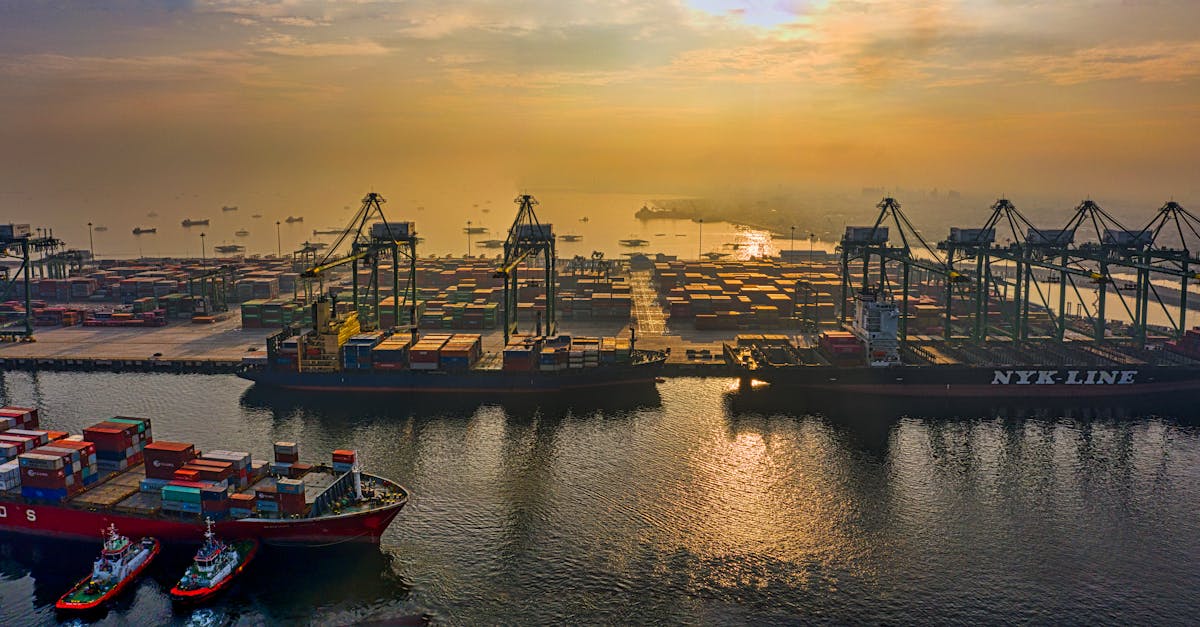
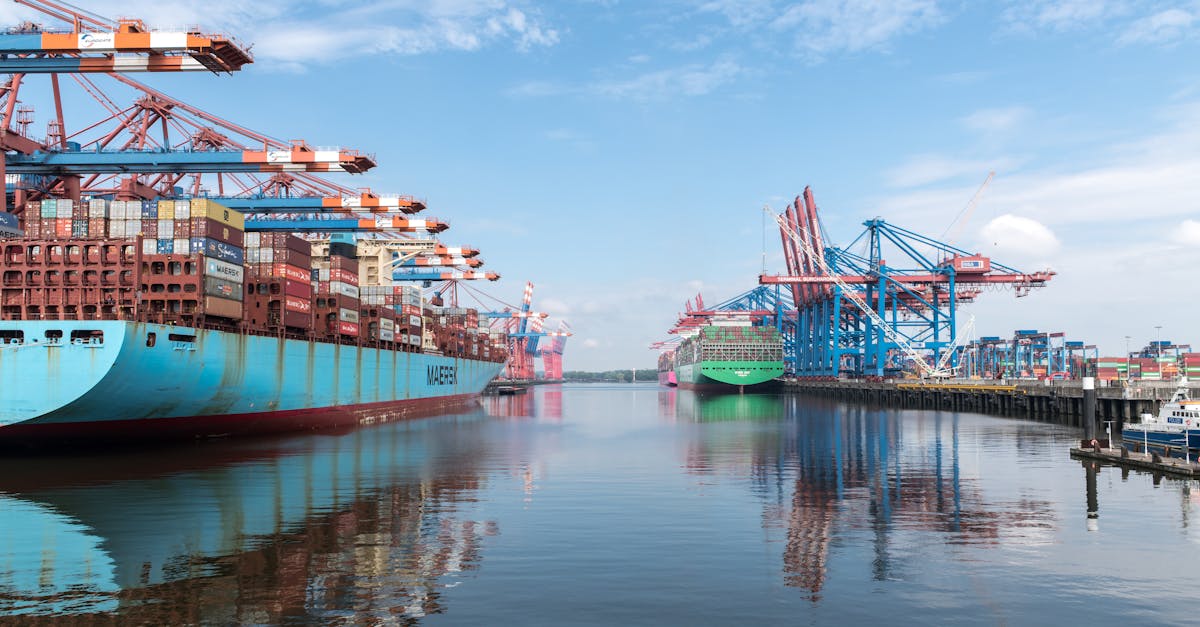
The balance of trade represents the difference between a country’s exports and imports. As of August, the U.S. trade deficit was reported at $68.2 billion, a slight improvement from the previous month, but still indicative of long-standing trade imbalances. For a family like the Thompsons, this number might seem abstract. After all, how do statistics translate to so many livelihoods?
Let’s consider the data. U.S. goods exports totaled approximately $189.7 billion, which is equal to approximately the GDP of New Zealand. This means that every piece of handcrafted furniture they ship abroad contributes to this figure, influencing their growth and, by extension, the local economy’s health. Each international shipment represents a small piece of the larger puzzle, potentially helping to narrow that trade gap.
The Ripple Effect of Exports
But the Thompsons weren’t just driven by a passion for woodworking; they were acutely aware of labor statistics as well. With higher exports often comes the promise of increased demand for domestic production. In August, the unemployment rate stood at 3.8%, reflecting a job market still rebounding from the pandemic’s economic chaos. In Sam’s mind, exporting meant keeping her neighbor Mark, a skilled woodworker, employed.
Each piece they export means salaries, benefits, and even opportunities for overtime. The ripple effect extends further because a thriving business can invest back in the community. Imagine if they needed more space or even a new delivery vehicle! Their intention to reach the European market could directly contribute to new jobs within Grand Rapids—not just for furniture makers, but for delivery drivers and warehouse staff as well.
A Balancing Act
Yet, pursuing exports isn’t without its challenges. Shipping costs and tariffs can eat into profits, potentially negating the benefits of foreign sales. The current energy costs and ongoing supply chain disruptions only add to the dilemma. In an economy where inflation has kept the consumer price index rising, families are also feeling the pinch—as increases in goods often lead to decreased purchasing power.
The Thompsons learned this the hard way when their first shipment required navigating tariff obstacles that almost doubled their costs. To adapt, they began sourcing some materials locally, a move that not only mitigated shipping issues but also supported another small business down the road. For Samantha and John, the balance of trade wasn’t merely a statistic; it was real, impacting their decisions and futures.
Returning Home: A Family Affair
As they finally got their goods into the hands of European customers, the couple felt a swell of pride. They knew that with every piece they exported, they were part of a broader narrative about America’s economic fortitude. That $68.2 billion deficit? It felt a little less daunting when you considered their contribution.
On a sunny Saturday afternoon, they gathered with friends and family to celebrate their first successful shipment abroad. The evening buzzed with conversation about not just their business, but the community’s role in fostering economic stability. For Samantha and John, navigating the trade waters was about much more than numbers—it was their family’s story, their community’s growth, and a testament to the enduring spirit of entrepreneurship.
In a world where one family’s dream intersects with a national economic landscape, the implications of trade balance and exports become clear. Each piece of handmade furniture and every struggle with tariffs translates into a larger struggle for economic balance—a journey that the Thompsons, like many others, are proud to navigate.