The Ripple Effect of Exports
In a quiet suburban neighborhood, Peter, the proud owner of a small furniture manufacturing company, finishes his day at the workshop. After years of hard work, his handcrafted chairs have gained popularity not just locally but overseas. As he prepares dinner with his wife, Maria, they discuss the significant role that exports play in their lives.
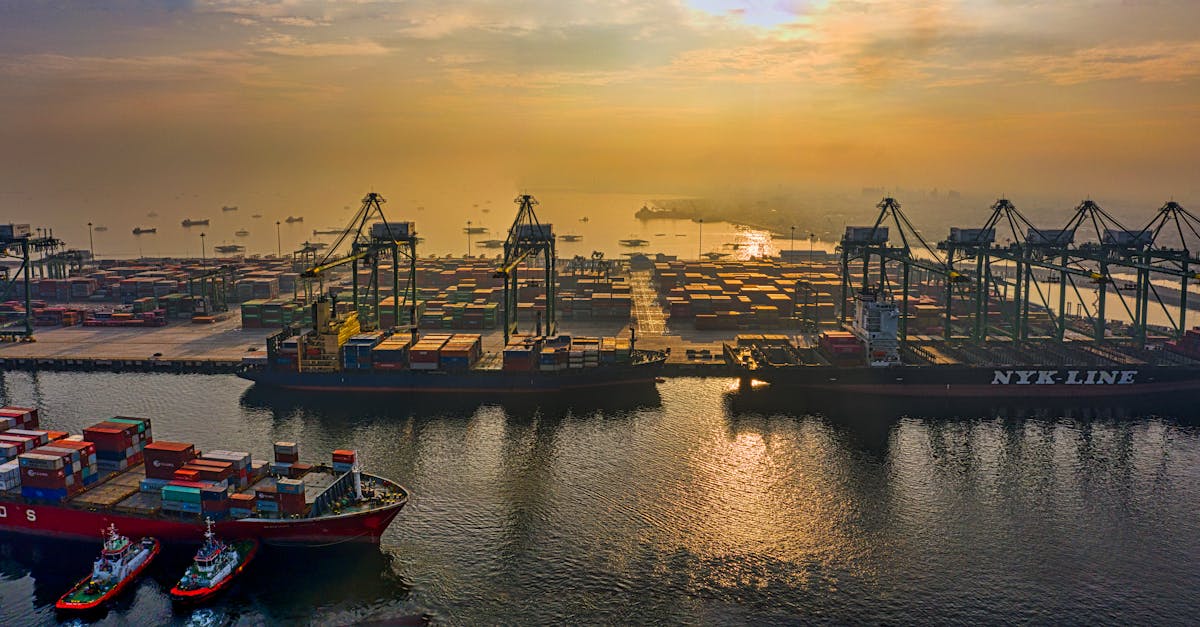
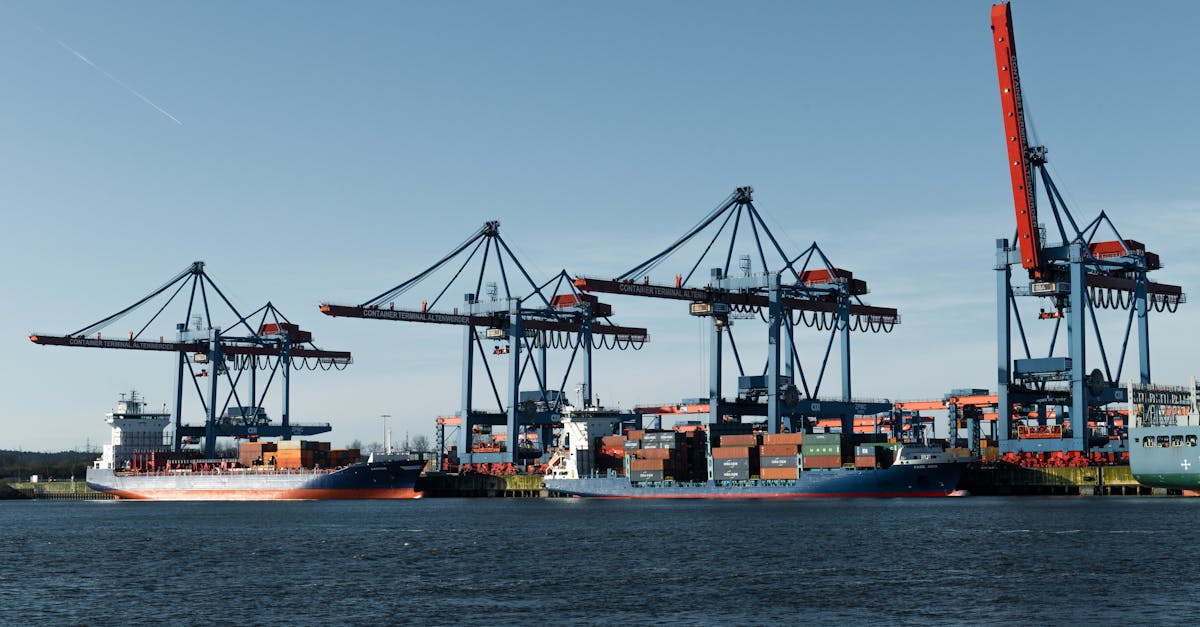
Last year alone, Peter’s business exported over $500,000 worth of goods to international buyers, a sum that has not only supported their household but also helped him hire two additional employees. This growth, they learn, echoes a larger national narrative—one that has seen the U.S. grapple with its trade balance. In recent months, the U.S. trade deficit has broadened, reaching approximately $74 billion in August.
Imagine that—$74 billion spent more on imports than the value of exports. Unlike Peter’s successful venture, which reflects a thriving sector of the economy, the larger trade picture indicates challenges. The Bureau of Economic Analysis (BEA) highlights that while exports increased slightly, imports surged even more, contributing to that growing deficit.
Local Success in a Global Context
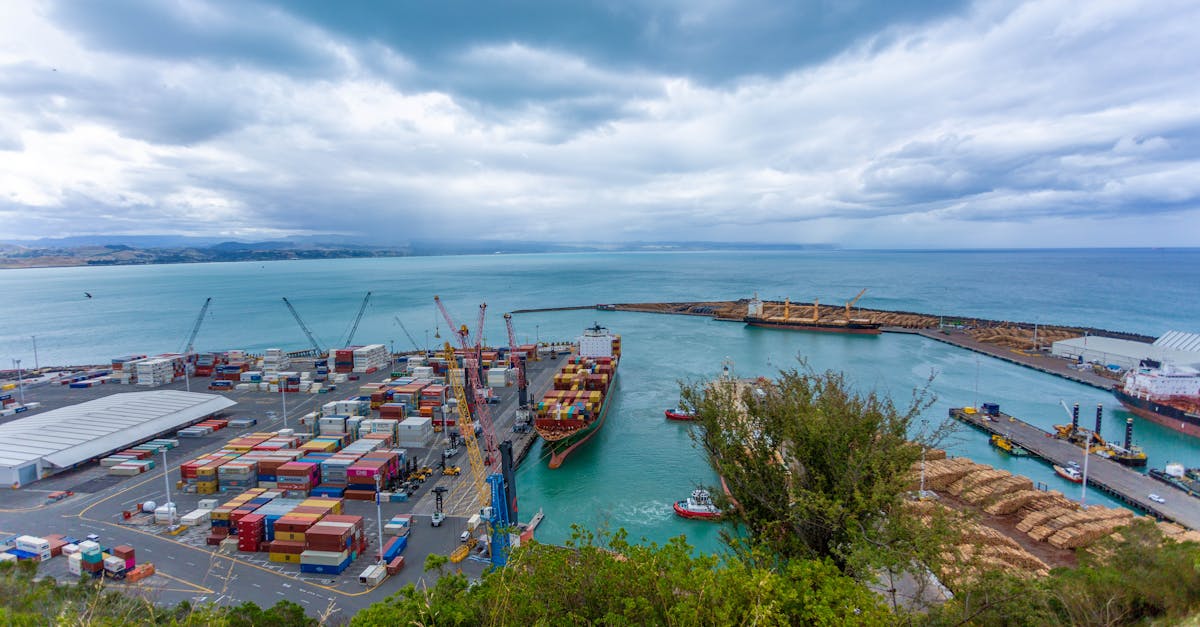
For Peter, the surge in exports could easily be categorized as a light at the end of the tunnel amid a complex economic landscape. His business might be small, yet it embodies a sector that supports over 10 million jobs in the United States—jobs that depend on selling goods outside U.S. borders. In 2022, the value of American goods exported reached $1.74 trillion, although the pandemic and subsequent supply chain disruptions still loom large over trade dynamics.
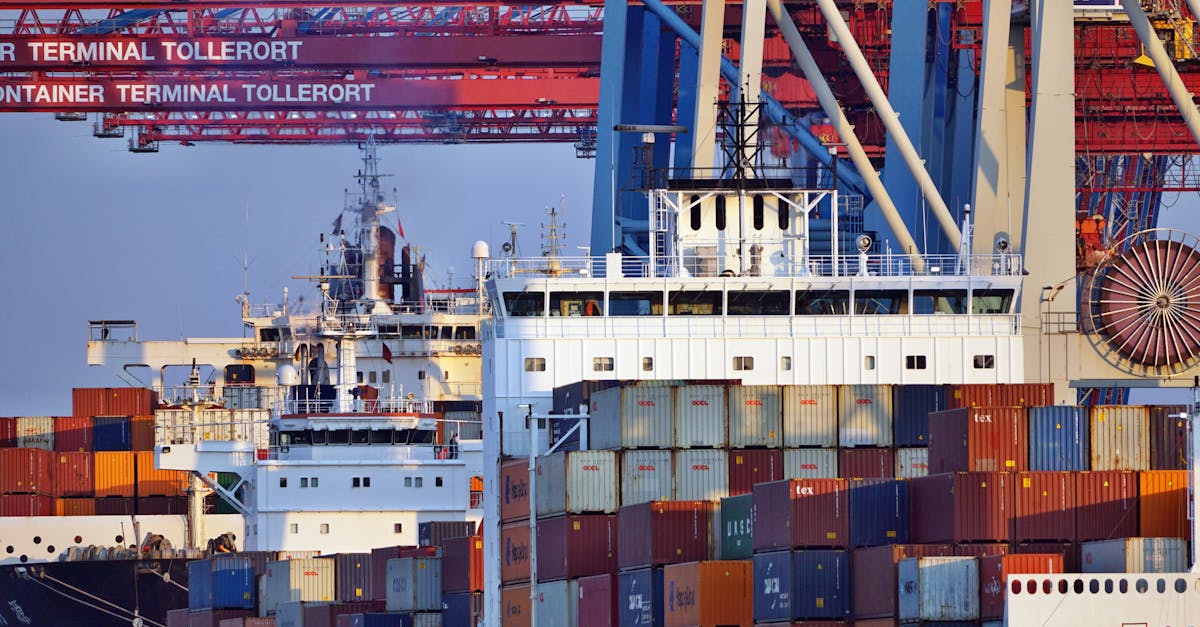
Peter’s furniture has found homes as far as Europe and Asia, a testament to his craftsmanship. Still, as he navigates this growth, he recognizes that the larger economic forces—rising shipping costs and intense competition—are not isolated from his situation. These factors have driven some smaller firms out of the export market completely.
The Domino Effect on Everyday Lives
Maria notices that their family’s future is inextricably linked to these economic tides. The increase in demand for their furniture means they can afford to save for their children’s education. But she can’t help but worry about the ramifications of that broader $74 billion deficit. What does it mean for inflation? For the cost of living? Recent figures from the Federal Reserve indicate that inflation remains stubbornly high, with the Consumer Price Index rising 3.7% last month. For working families, fluctuating prices and stagnant wages make for a tough balancing act.
In an effort to illustrate just how pervasive trade dynamics can be, think of it this way: if U.S. exports were to fulfill the deficit entirely, essentially each American family of four would need to contribute about $80 towards balancing the scales—an impossible burden for many.
A Family’s Legacy in Focus
As dinner wraps up and Peter recounts stories of international orders, he reflects on the importance of staying competitive. His decision to innovate and embrace sustainable practices, such as using reclaimed wood, could well be the influence that helps him navigate through changing trade tides while keeping his small business afloat.
Ultimately, for Peter and Maria, embracing the complexities of trade means understanding that every chair shipped overseas supports not just their family but countless others like them. And while the government deals with trade policy adjustments and tariffs, families continue to be the engine that drives these discussions, their hopes and aspirations tied to a balance of trade that stretches far beyond just numbers on a page.
Back at the dinner table, as the kids finish their meal, Peter’s hope remains clear: to contribute positively to both his local community and the global market, navigating the murky waters of exports and imports with the hope of a brighter economic future for all.