Navigating the Waters of Trade Balance: An American Family’s Journey
Maria Alvarez stands at the kitchen table of her suburban home in New Jersey, their weekly grocery budget spread before her. Her husband, Tom, recently received news that his company, a mid-sized manufacturer of composite materials for the automotive industry, took a hit during the last quarter. Imports have surged, and even though Tom’s business provides a crucial service, the increased competition has pressed them to cut back on labor costs — a move that could potentially affect family incomes across their neighborhood. Meanwhile, she scrolls through an article about U.S. exports and imports.
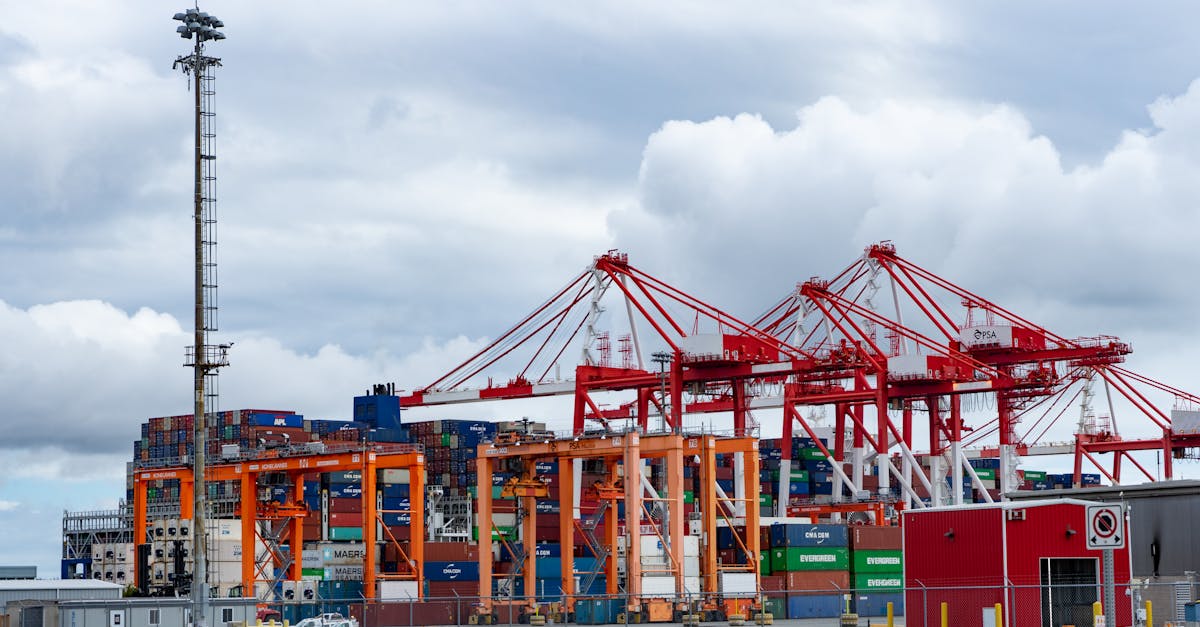
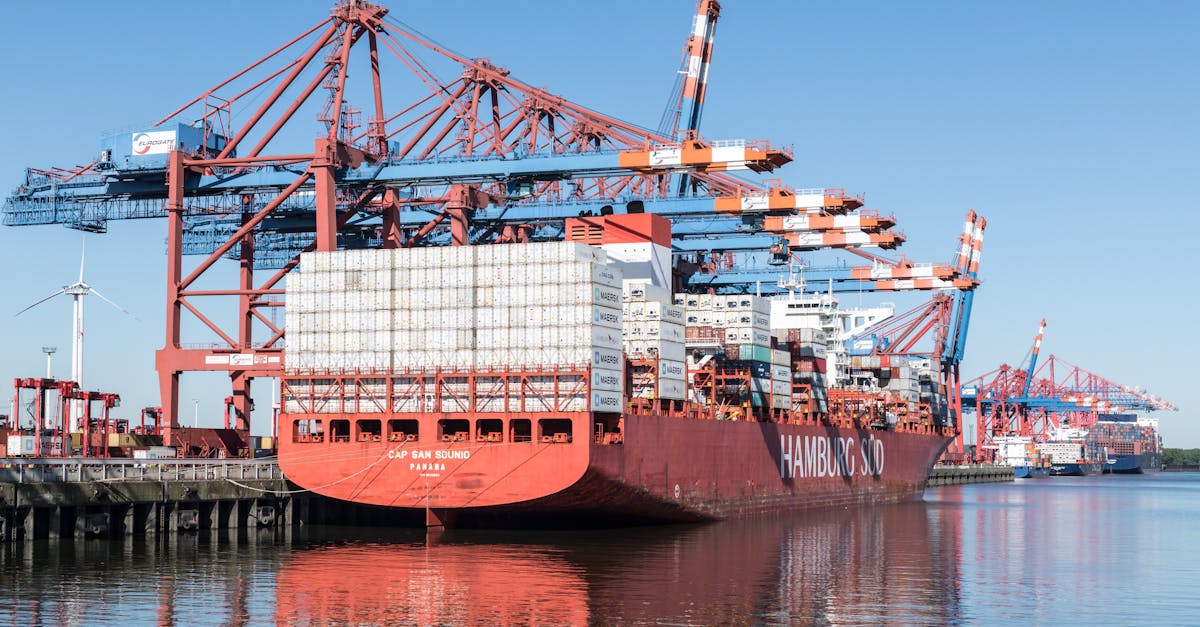
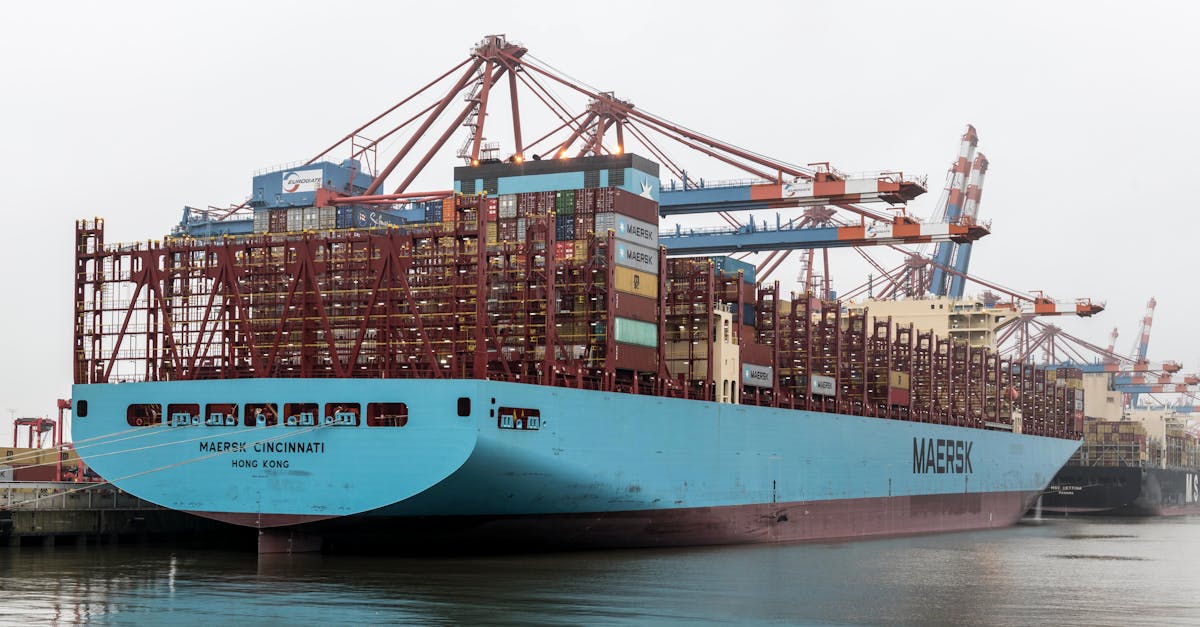
In September, the U.S. trade deficit, the gap between what we buy from other countries and what we sell abroad, widened to $73.3 billion. That figure is like a family coming home with their shopping bags empty but leaving behind a stack of unpaid bills. Exports, on the other hand, have shown recent signs of resilience, with a slight increase, bolstered by strong performance in sectors such as agricultural products, which accounts for about 15% of U.S. goods exports. It strikes her that her family’s economic health is intricately woven into this interconnected web of global trade.
From the Farm to the Table
The Alvarezes appreciate the local farmers’ market on weekends, where they pick up fresh tomatoes, cucumbers, and organic strawberries. With America exporting roughly $177 billion worth of agricultural products in recent reports, they realize just how connected their shopping habits are to the international marketplace. Imagine, for instance, a shipment of avocados from Mexico coming in. These fresh delights fuel the family meals, showing just how reliant they have become on trade — a concept so natural to Maria, yet critical to their budgetary decisions.
The trade balance isn’t simply a matter of commerce; it pulsates through the very fabric of their daily routine. When Tom’s company struggles, it affects not only their cash flow but also their choices at the market. Maria muses how life would be without those imported ingredients on their dinner table, thrusting her thoughts back to the statistics: export volumes have been improving, up 0.4% recently, grabbing the attention of policymakers and economists who see this as a flicker of hope amid the shadows of the deficit.
The Worker’s Plight
One evening, the family sits around the dinner table discussing the impact of trade policies and tariffs that have emerged as a focus in American economic discourse. Tom mentions that the duty on imported materials has raised costs, compelling his company to source more locally. In fact, the employment levels in manufacturing were showing signs of recovery, with 12.8 million workers in the field as of recently, yet the path is unclear. Without international sales, they could face constricted growth or worse, layoffs to keep the business afloat amidst a sea of foreign products trying to capture the market.
Maria cannot help but feel a mix of optimism and worry. She recognizes that while the agricultural sector remains buoyant, other areas are fighting hard to stay relevant as businesses like Tom’s are squeezed by cheaper imports and fluctuating tariffs. Their story isn’t isolated; it is a hundred thousand families in a similar bind, where the local grocery bill remains constant, yet the origins of each item have become a deeper topic of concern.
Life’s Balancing Act
Weeks pass, and Maria takes solace in the gradual improvement in the export numbers—craving some good news amidst apprehensions. Her husband’s company has begun exploring partnerships for overseas shipping. If successful, it could spell more job security for Tom and bring fresh products to their local market that wouldn’t break the budget. For the Alvarezes, thus, the intricacies of the trade balance sketch a broader picture of their aspirations and livelihood, engaging them in discussions that feel both abstract and painfully real.
As Maria prepares to head to the market again, she holds a reminder of how interconnected their life is with the global economy. Each decision she makes has a ripple effect, underscoring that trade isn’t merely numbers and statistics — it influences families, jobs, and the fundamental choices of everyday life. It is the bread they share and the future they aspire to build together. Amidst the shifting tides of trade, the Alvarez family’s resilience will continue to face the balancing act of those who dare to navigate these challenging waters.