Navigating Prosperity: The Tale of the Trade Balance and Exports
In a small town in Ohio, the Martinez family runs a quaint woodworking shop. For over three decades, they’ve crafted exquisite furniture pieces that combine craftsmanship with unique designs. Ben, the youngest of the Martinez clan, is particularly excited about a recent development: an order for ten custom oak tables destined for a new restaurant in Tokyo. This order is the kind of lifeline that makes a small family business thrive, yet it exists against a backdrop of complex economic realities.
Last year, the United States exported nearly $205 billion in industrial supplies and materials. For Ben, this means that every table shipped translates to more than just logistics; it represents a vital connection to global markets. His family’s decision to expand their production to fulfill this order will inject additional cash into their operations, providing opportunities for hiring local artisans who are also feeling the pinch from recent inflation, which has hovered around 3.7%.
A Global Playground Awaits
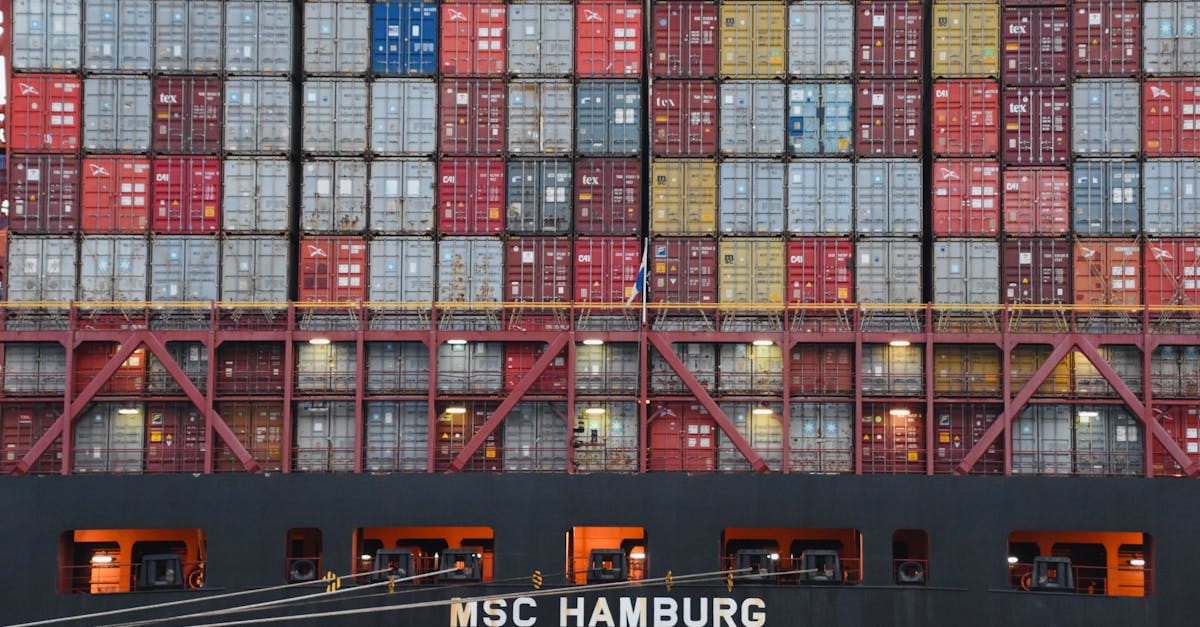
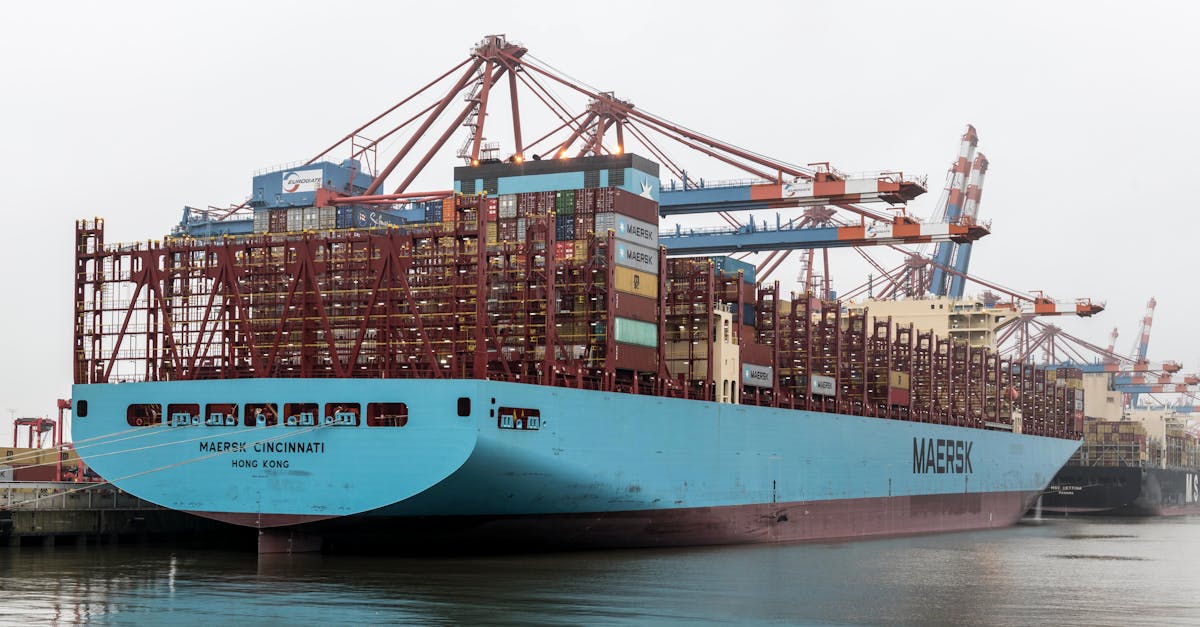
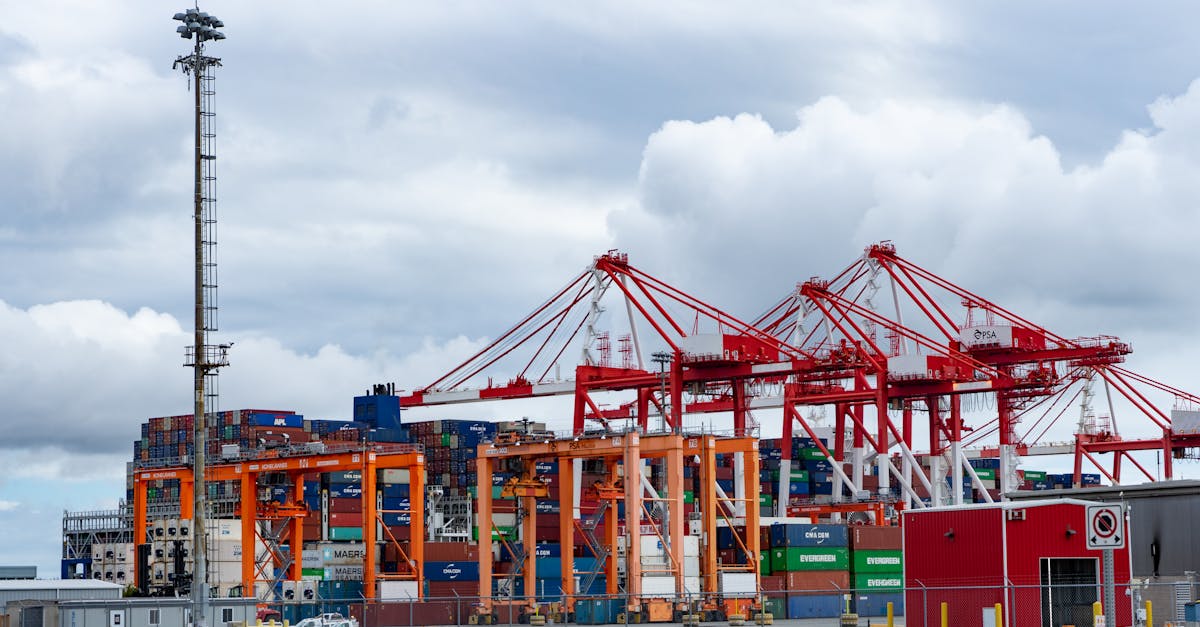
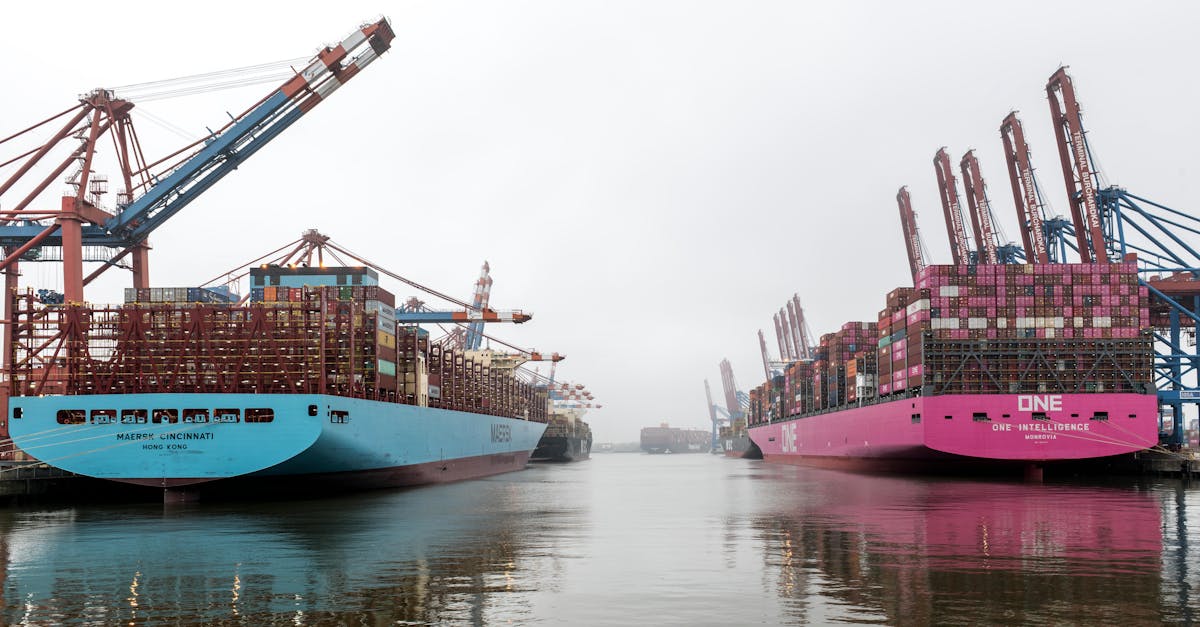
The thriving export sector, which includes everything from machinery to consumer goods, is akin to a playground bustling with opportunities. In July, the U.S. recorded a notable trade deficit of $69 billion, driven by imports that outpaced exports by a significant margin. This imbalance can feel disheartening, but it also holds promise. For families like the Martinezes, the demand for exports is increasingly vital. Imagine that their order for tables contributes to a portion of the overall 19% increase in exports over the past five years, showcasing growing international interest in American-made products.
The interplay of trade balance impacts all facets of the economy. For instance, the higher the exports, the more robust the domestic production. As Ben’s family receives payments from Japan, those dollars contribute to the broader economy, generating taxes that fund public services and infrastructure. This is especially crucial as U.S. trade policy aims to elevate both small businesses and major corporations alike, creating a sense of synergy amidst the larger economic landscape.
The Ripple Effects of Trade
Back in Ohio, as Ben measures wood for his new tables, he thinks about the economic web this trade order creates. The import-export dynamics are not just about buying and selling; they affect everything from labor costs to shipping fees. In the last few months, the shipping rates have spiked, fueled by fluctuating fuel prices and global supply chain disruptions. While Ben’s overhead is starting to feel the strain of skyrocketing costs, each table sold offers a glimpse into the broader economic picture: the intricacies of fiscal policy underpinning the trade balance can directly influence how much he pays for materials versus how much the final product fetches in international markets.
Furthermore, the Federal Reserve has taken steps to monitor these interactions closely. Interest rates remain a crucial tool in maintaining control over inflation and stimulating economic growth. When the Fed adjusts these rates, it resonates through businesses like the Martinez workshop, affecting loan costs for continued expansion when new orders arrive.
Coming Full Circle
As the tables are being crafted, Ben’s thoughts shift back to the local workforce. His decision to hire two new workers to meet international demand strengthens the community and showcases the interdependence of local economies and global markets. This real-life scenario reflects broader data trends: July saw an increase in non-farm payroll employment by 257,000 jobs, a statistic that reverberates through small businesses like the Martinez’s, amplifying the importance of each trade order.
As the shipment to Tokyo takes shape, it’s clear to Ben that every piece of furniture carries the weight of economic narratives—stories of trade balances, global demand, and local opportunity. His family business may be just one cog in the expansive machine of U.S. exports, but the impact it has on their community and the global economy echoes loudly, illustrating how interconnected our economic fates truly are.