A Day in the Life of the Ramirez Family
As dawn breaks over Pomona, California, María Ramirez, owner of a modest import business specializing in artisanal Mexican goods, prepares for a busy day. She checks her inventory of colorful textiles and handcrafted pottery, all sourced from talented artisans in Mexico. The excitement of potential trades ignites her caffeine-fueled morning—each negotiation a chance to further embed her family’s legacy into the American market.
For small business owners like María, the trade balance—the difference between exports and imports—has a significant impact on their bottom line. Recent figures from the Bureau of Economic Analysis reveal that in August, the trade deficit in goods and services widened to $74.4 billion. This figure serves as both a metric and a reflection of the intricate dance María performs every day. If imports rise faster than exports, it can drive competition and overshadow businesses like hers, where margins are already thin.
The Numbers Behind the Narrative
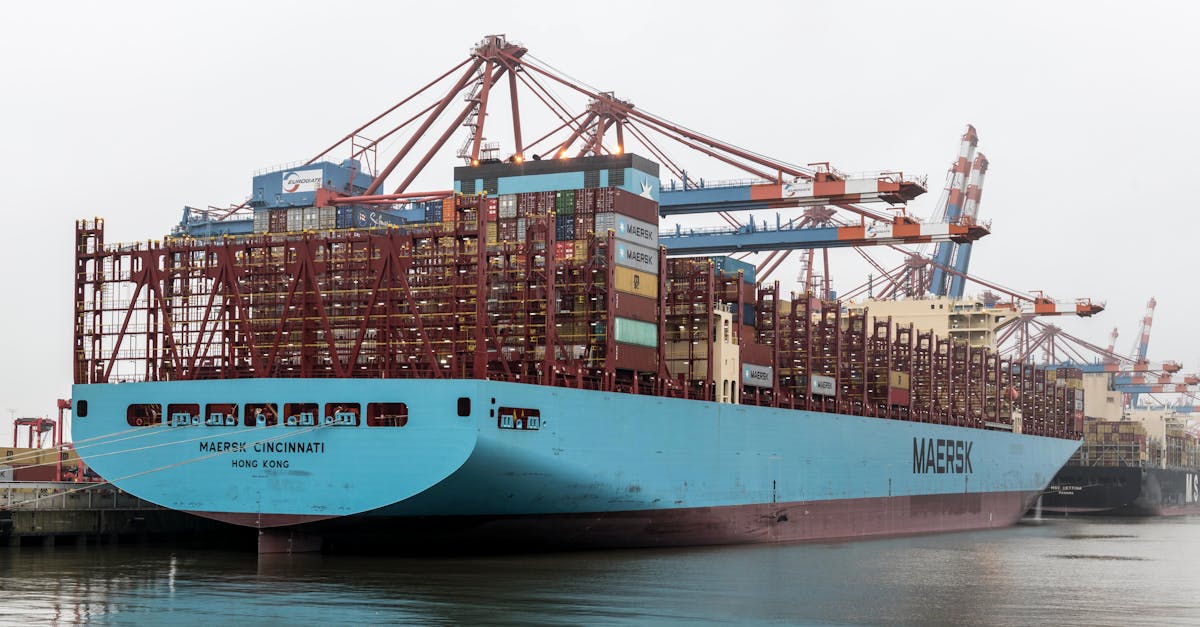
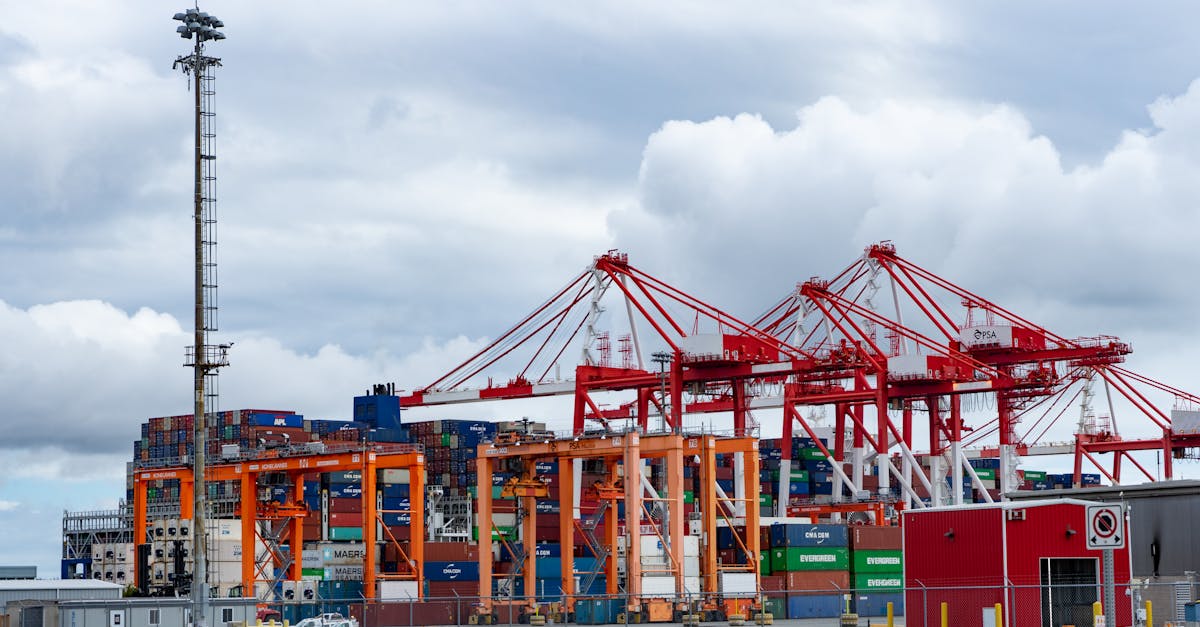
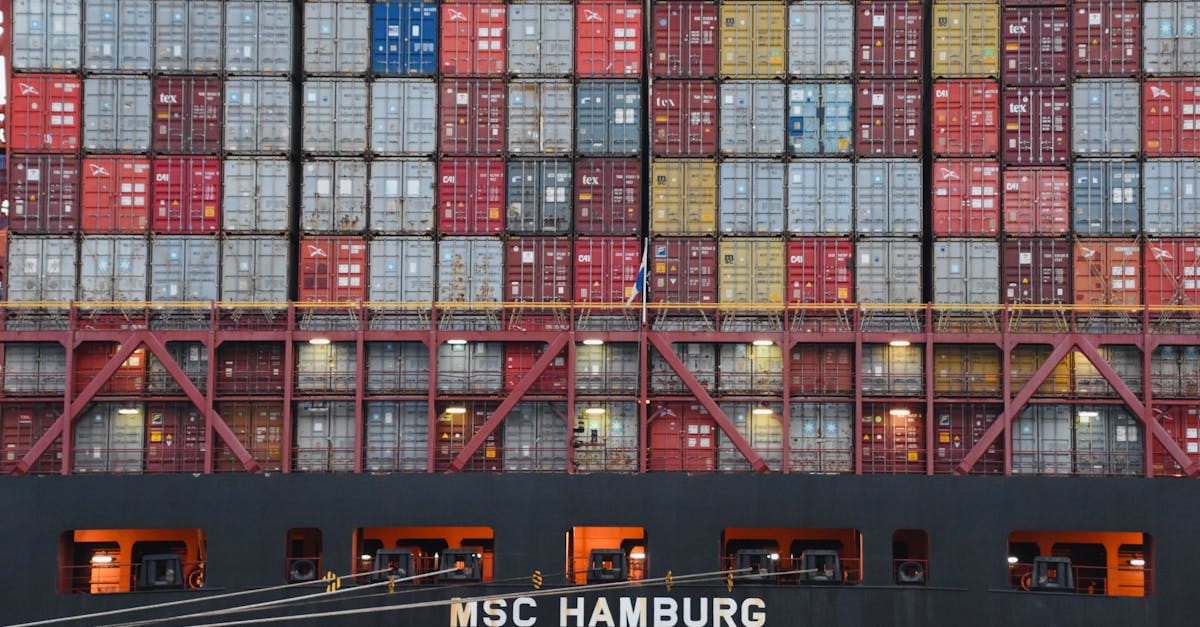
In today’s global economy, understanding that balance is crucial. The latest report indicates that U.S. exports of goods rose by nearly 1.2%, reaching $167.5 billion in August, a glimmer of hope for exporters like María. While her goods contribute to this number, the contrast is troubling: imports sitting at a hefty $241.9 billion push that trade deficit higher, akin to a seesaw tilted against her favor.
Just as a family considers its monthly expenses against its income, the nation weighs its imports against its exports. When the trade deficit swells, it reflects the consumption habits of Americans often leaning heavily on imports. María notices this trend every time she scouts for organic cotton textiles—American consumers are keen on quality but often gravitate toward cheaper, imported alternatives. Thus, her orders have become more strategic, focusing on the unique craftsmanship that other products lack.
The Ripple Effect on Employment
Each fluctuation in trade balance has reverberations across industries. With the Federal Reserve’s recent reports indicating increased interest rates, the cost of borrowing could tighten consumer spending. If buyers become more subdued, the effects cascade down, potentially leading to job losses in the very sectors that fuel small businesses with lifeblood. According to the Bureau of Labor Statistics, since the beginning of the year, manufacturing job growth has stalled, showing that uncertainty in trade can lead to hesitance in hiring—something María cannot afford if she hopes to bring in seasonal help for her busy months.
Conversely, for every successful shipment that leaves her warehouse, there is potential for job creation in both countries. The artisan weaver in Oaxaca benefits, just as a local logistics worker does when the boxes arrive at María’s door. In the interconnected web of trade, a successful export is much more than a mere transaction; it’s a lifeline for many.
Back to the Family
As María returns to her shop amidst bustling deliveries and shipments, her determination remains steadfast. The trade balance may sway—sometimes in her favor, often against it—but she finds strength in the connections forged through her goods. Her family’s history and the artisans’ efforts are woven into each piece she sells, making the stakes personal.
In a world dictated by numbers, María’s story illustrates that data can only tell part of the story. Behind every statistic lies a family striving for stability and growth in a complex and competitive landscape. As she prepares her next shipment of vibrant textiles, María looks forward, committed to adaptability, empowered by the artistry of her trade, and inspired to craft a future where her family’s legacy—and the story of countless artisans—can thrive despite the waves of trade balance.