Exports on the Dinner Table
As the sun dips low and the smell of grilled salmon fills the air, the home of the Evans family comes alive with chatter. Tonight’s dinner features Atlantic salmon, a delicacy typically reserved for special occasions. Little do they know that their meal is not just a product of local fisheries; the fish was sourced from the pristine waters of Norway. Events like these not only tantalize the taste buds but also illustrate the intricate dance of trade that shapes the American economy. The United States is a massive player on the global stage, and its trade balance plays a pivotal role in determining both the health of families like the Evans’ and the overall economic landscape.
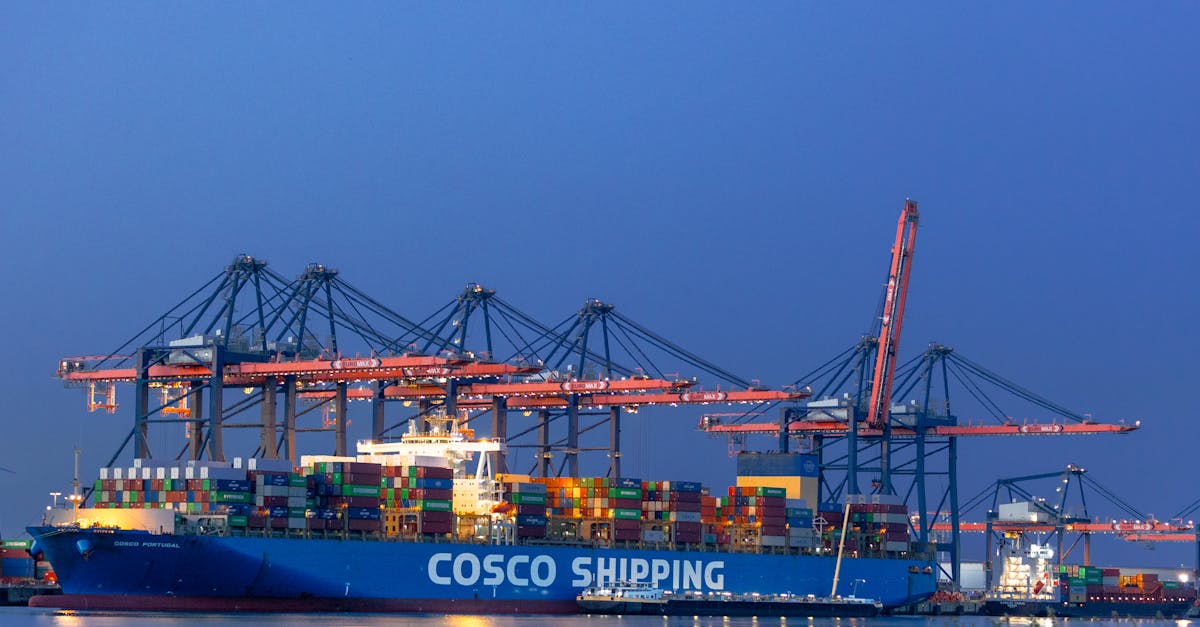
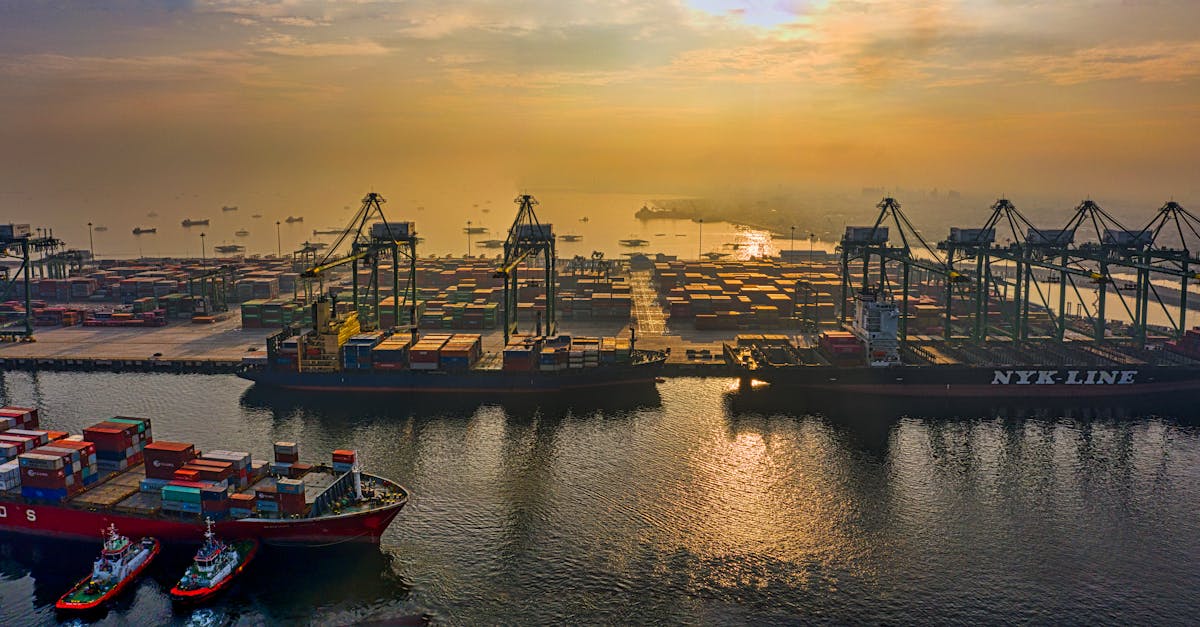
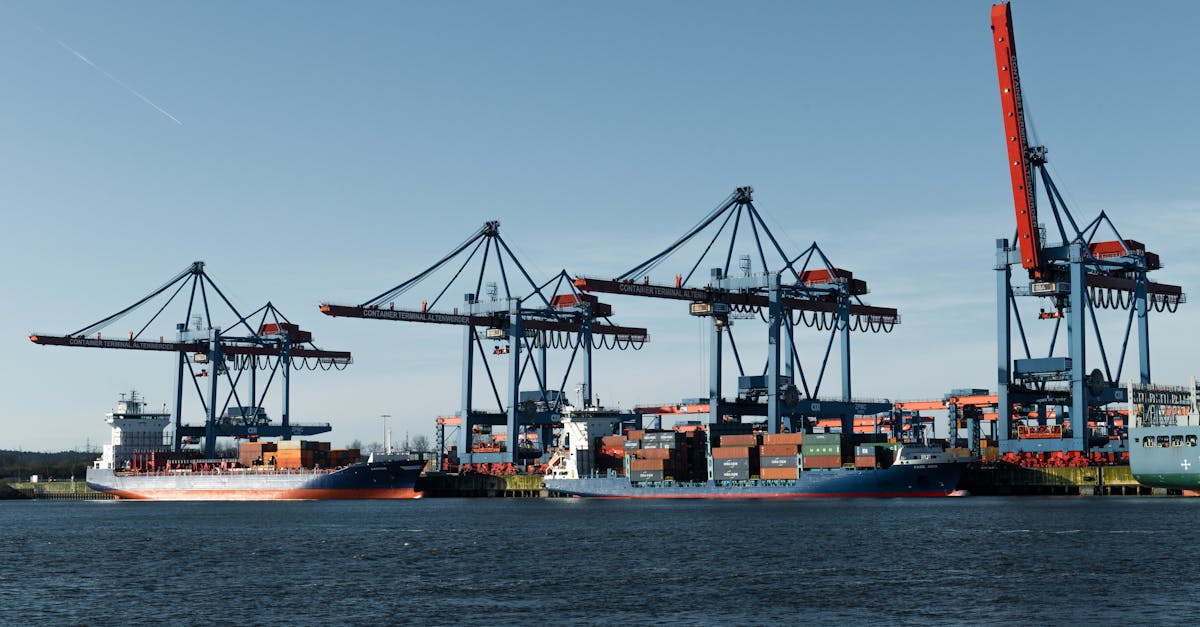
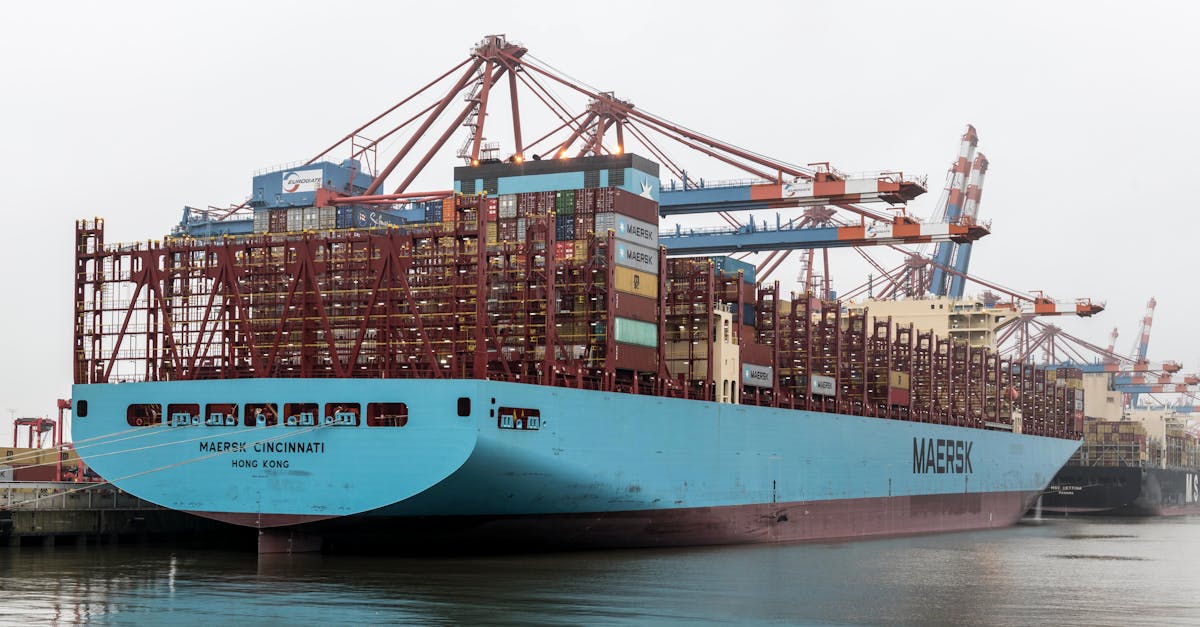
Over the past year, the U.S. goods and services trade deficit widened to $73.3 billion, expanding from $65 billion. This deficit reflects that the country spent more on foreign imports than it earned through exports. Trade data from the Bureau of Economic Analysis reveals that October figures showed exports were down 0.7% to $257 billion while imports soared by 1% to $330.3 billion. With imports outweighing exports, we can gauge just how interwoven the global economy remains.
The Family Business of Trade
For John Evans, the father in the family, owning a small fishing tackle business brings its own set of challenges. He sources materials from local suppliers—hooks, lines, and baits made right in America. However, competition from foreign manufacturers often puts him on edge. While consumers enjoy products from abroad, it impacts John’s profit margins. Imports of fishing gear have surged, driven largely by affordable alternatives from Asia, which makes up roughly 60% of the U.S.’s fishing equipment market. This reliance on cheaper global markets can squeeze suppliers like John, who must compete against lower-priced imports.
The available data shows that U.S. exports of goods reached $173.2 billion, marking a decrease compared to $183 billion last year. This contraction can be felt all around, from large corporations down to community businesses. Each missing dollar in exports is a lost opportunity for workers, manufacturing sectors, and local economies. Imagine if John’s business could export his innovative tackle or custom bait to eager fishers around the globe. A swell in exports could enhance his bottom line while simultaneously boosting production back home.
Weaving Personal Stories into Numbers
In every exported crate of goods, there are stories of American workers who once thrived in industries that defined local economies. The apparel industry serves as a stark example; once a cornerstone of U.S. manufacturing, it has seen shifts in trade balances result in significant job losses. Surprisingly, in 2023, apparel imports outnumbered exports by a margin that would astonish even the most seasoned economists.
In the same breath, the economic ripple effect of exports and imports can define community prosperity. Places like the Evans’ hometown, where fishing is a local stalwart, can suffer from a trade imbalance that pushes prices higher for everyday consumers while constricting local business growth. Every shipment of imports is mirrored by potential exports that go unfulfilled.
Bringing It All Back Home
As the Evans family pauses to savor their flavorful dinner, the reality of today’s trade balance reflects not only on the economic indicators but also on their day-to-day life. Products from around the globe intermingle with those made at home, highlighting the ongoing impact of international trade policies.
When families sit down for dinner, they are often oblivious to the economic forces at play—a necessary trade balance dictated by global supply and demand. For John, a wider trade deficit means new challenges, yet it’s also an opportunity for a push towards innovation as he contemplates adding export opportunities into his business portfolio. What the Evans family enjoys tonight is much more than a meal; it’s a reflection of where the U.S. stands in the intricate web of global trade and commerce—a navigation that many American families are now learning to master.