The Baker’s Dilemma
Meet the Nguyen family, owners of a small bakery in Richmond, Virginia. When the aroma of fresh bread wafts through the air at dawn, young Mia, the eldest daughter, often recalls her parents’ tales of distant lands where ingredients once harvested are now more precious and harder to come by. The family’s latest challenge? Rising flour prices and dwindling supplies, a consequence not just of local production issues but also of bigger global currents influenced by the trade balance between nations.
As a worker in the bustling kitchen, Mia watches her parents navigate fluctuations not just in ingredient prices but in overall business viability. The Nguyen family has felt the repercussions of a trade deficit, which reached $70.4 billion in August. This figure can often translate directly into Mia’s world, impacting how much flour her parents can afford.
The Ripple Effect of Exports and Imports
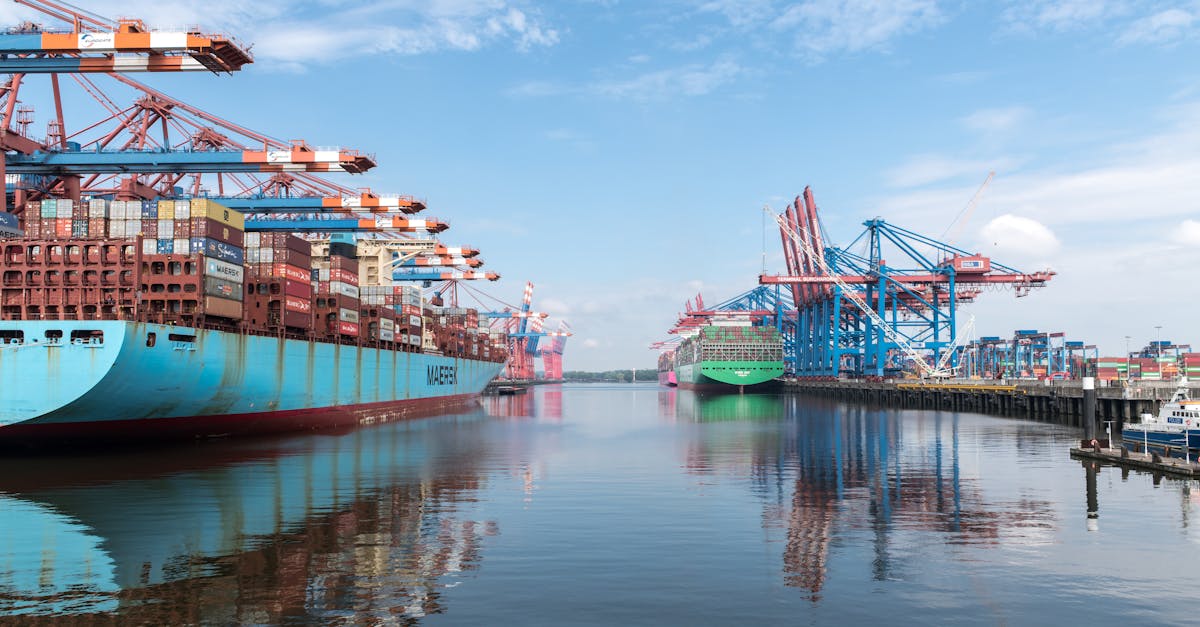
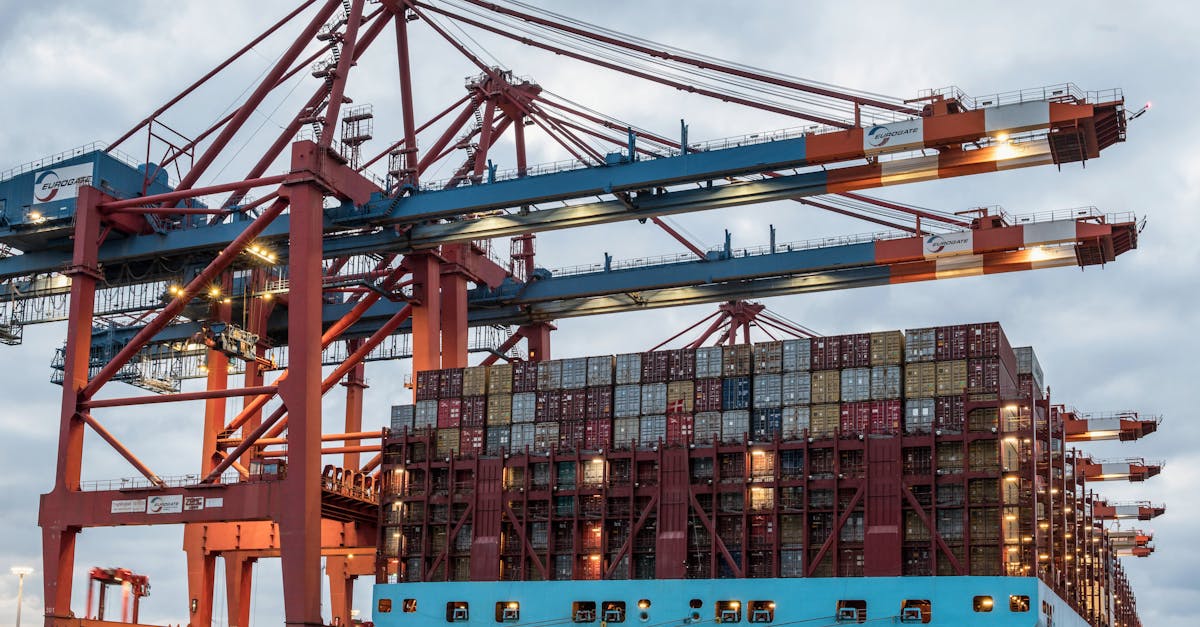
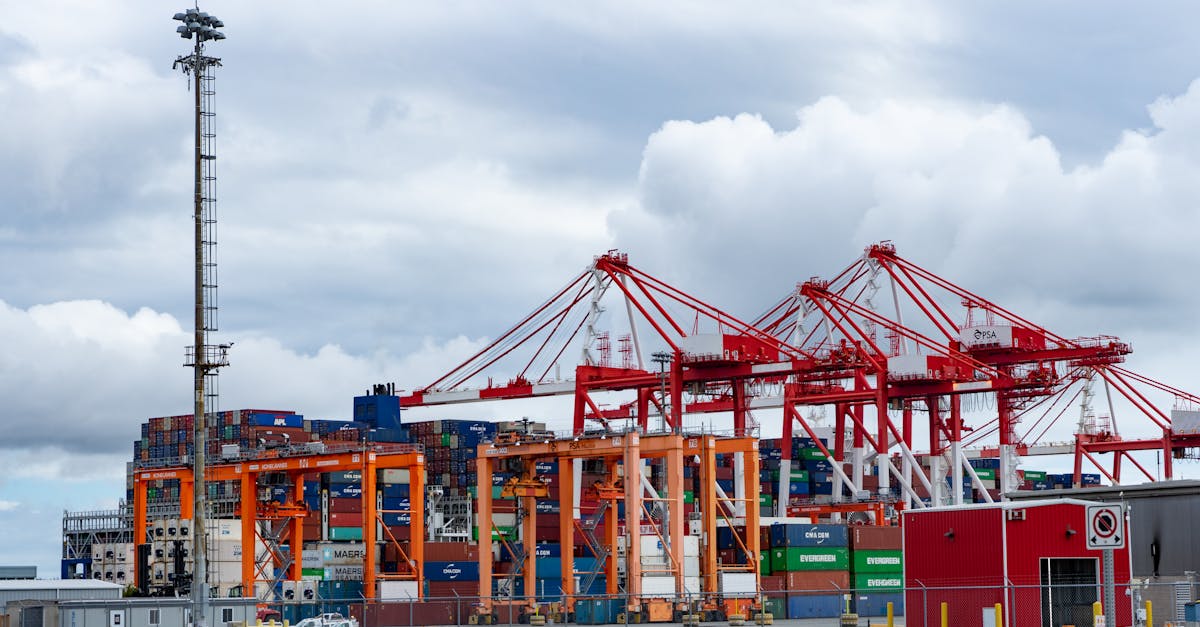
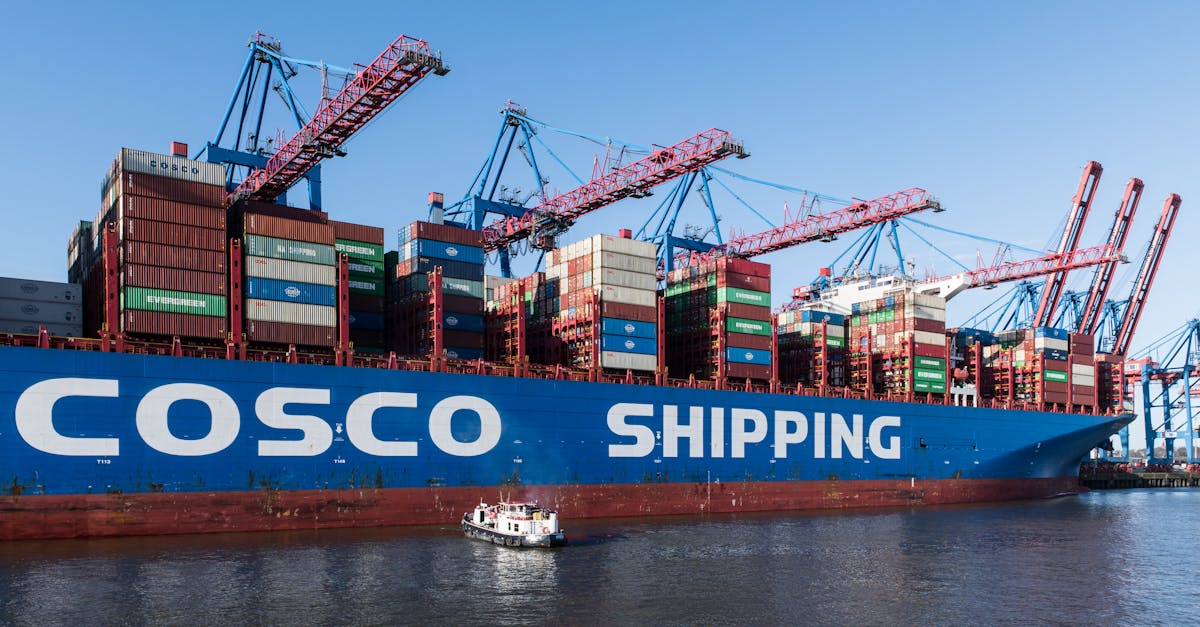
For the Nguyen family, import prices for raw materials like wheat and sugar have been directly influenced by the United States’ trade deficit, which is now the largest gap recorded since 2008. When imports exceed exports, the balance tips, creating a scenario where foreign markets can dictate prices, often forcing small businesses like theirs to cut corners or seek alternatives.
In the first half of the year, U.S. exports saw a modest increase, reaching $1.74 trillion, with agricultural goods being a bright spot, totaling about $28.6 billion in exports just in July. For the Nguyen family, exporting flour or baked goods might seem like a far-off dream, but they are aware that these numbers matter; for every proportionate increase in exports, new markets open up and the global demand shifts, which can, in turn, affect their local prices.
Small Businesses, Big Consequences
The complexities of the trade balance can feel insurmountable for families like the Nguyens. Trade policies influenced by federal decisions or global trade agreements directly create ripples that could mean the difference between a profit and a loss. In a world where economies are interlinked more than ever, imagine a single piece of sourdough bread representing the journey of global ingredients as they navigate tariffs and supply chains. The trade landscape affects supply, and even a slight imbalance can lead to increased costs—costs that small bakers inevitably have to pass on to consumers like you and me.
This October, the Federal Reserve has addressed the implications of these deficits in their discussions about interest rates. Lowering rates tries to stimulate demand domestically, but without a balanced trade scale, the result may just inflate prices—a double whammy hitting family budgets across the country. The Nguyens see every rise in expenses reflected on local grocery shelves, and with inflation rates stubbornly hovering around 3.7%, each trip to the store adds a tension to their family budget.
Returning to the Oven
With each loaf of bread, there are stories intertwined in the strands of dough. Mia’s parents grapple with fluctuating costs, influenced by international trade agreements and the trade balance. They find themselves at the mercy of economics that feel far away yet resonate right in their kitchen—the sizzling pan now a stark reminder of competition, both local and global. The time each morning they spend kneading dough has grown laden with hope for consistency, both in their recipes and the supply chain that feeds their family.
In a world where balance sheets dictate livelihood, family businesses like the Nguyens are the backbone of the American economy. Their experiences reflect the larger trade landscape, demonstrating that every statistic has a real-world impact, transforming numbers into everyday realities as they knead the delicate, fluctuating fabric of the global market into their loaves of bread. As the sun rises each day over Richmond, the hopes of a family rest on the ever-shifting tides of trade.