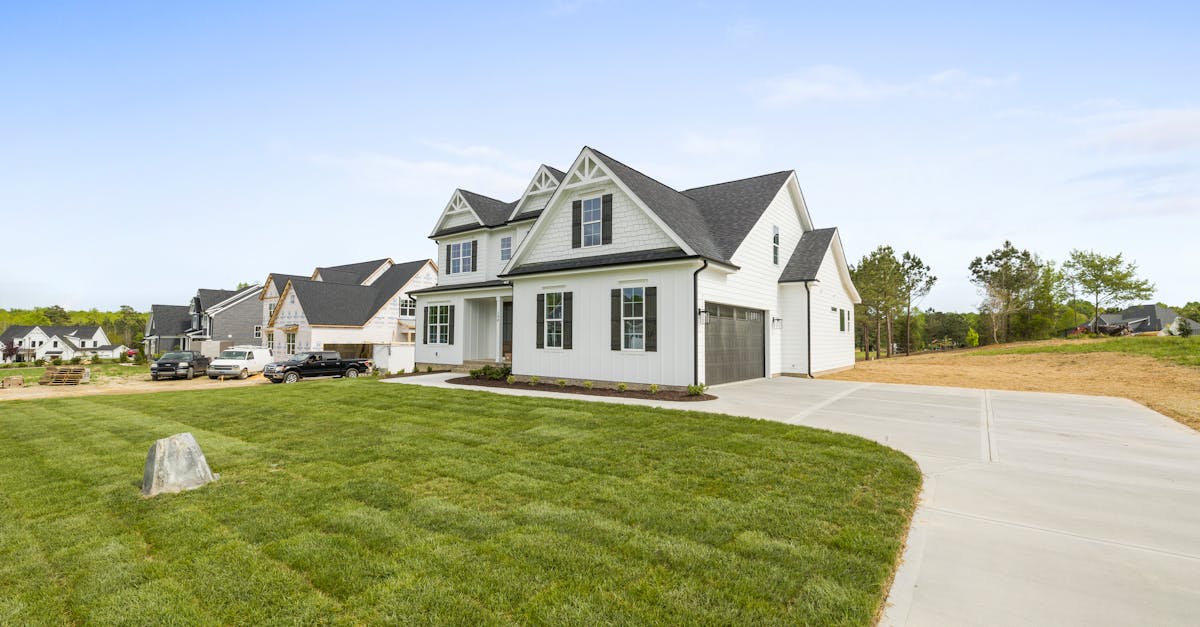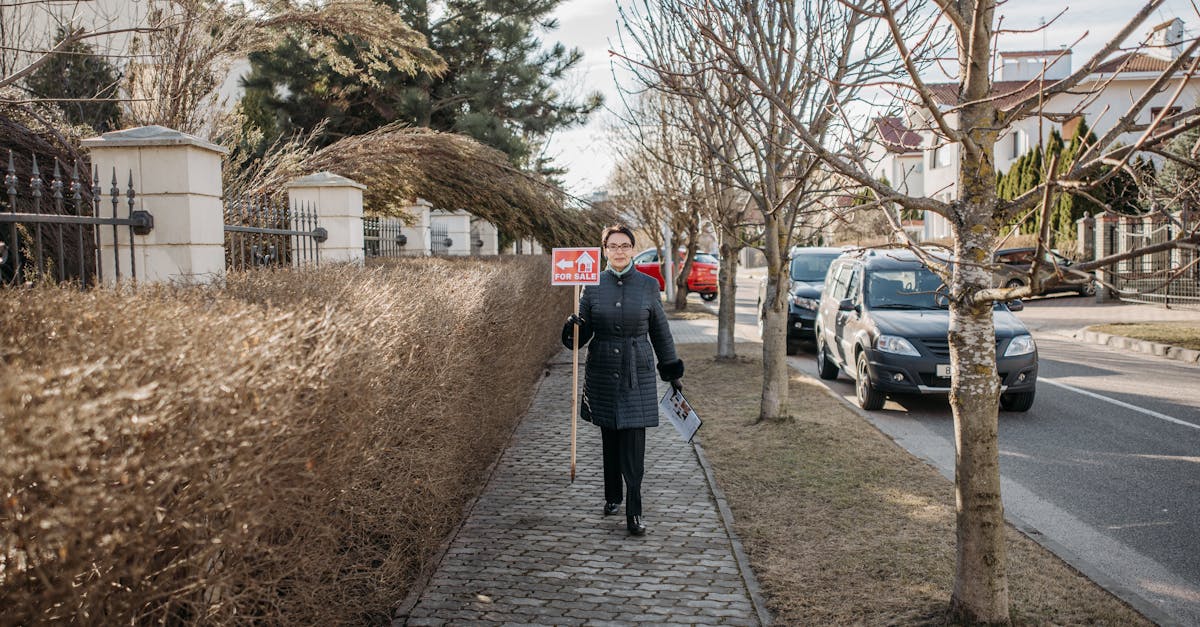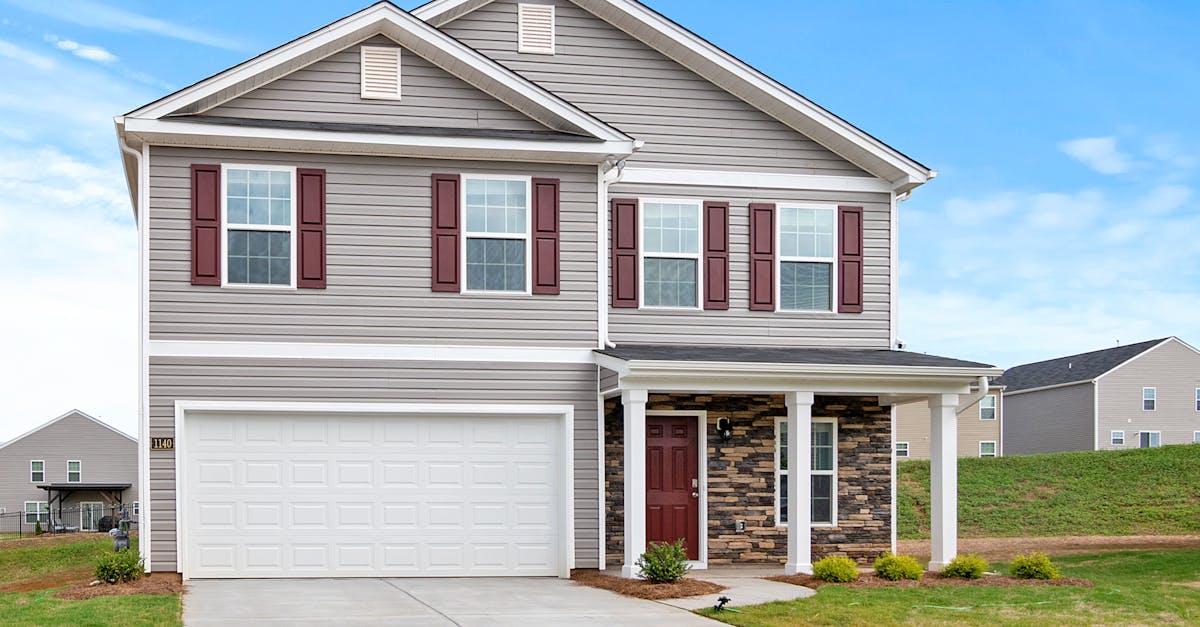
The median sales price of existing homes in the United States has skyrocketed to $410,200, a staggering 14.2% increase compared to the previous year. This figure, reported by the National Association of Realtors, underscores a drastic shift in the housing landscape, where affordability is increasingly slipping out of reach for many prospective buyers.
The Federal Reserve’s decision to maintain interest rates earlier in the year has further compounded the situation, with the average 30-year fixed mortgage rate hovering around 7.46%, as reported by Freddie Mac. For potential homeowners, this means that the cost of borrowing has dramatically escalated, squeezing budgets and pushing more individuals toward the rental market, which has seen a corresponding increase in demand and prices.
In this environment, the inventory of homes for sale stands nearly 40% lower than pre-pandemic levels, creating heightened competition. Potential buyers are grappling not only with inflated prices but also with the stark realization that options are limited — according to the U.S. Census Bureau, new home construction remains sluggish, up only 2.1% to 1.54 million units annualized in recent reports.
Affordability challenges are not only reshaping who can buy but are also transforming community dynamics. Those unable to make the leap into homeownership are redirecting their sights to rental properties, leading to an uptick in rents in many markets. The BLS reports that the Consumer Price Index for rent increased by 7.9% over the last year, marking one of the steepest climbs in a decade.
From a regional perspective, the housing market paints a complicated picture. In places like Austin, where migration has surged, prices have soared by 20% year-over-year, making neighbors out of tech workers and long-time residents who now find themselves priced out. Meanwhile, cities with slower economic growth, like Cleveland, are seeing stagnation in property values, creating a dichotomy where high demand in certain areas runs counter to broader national trends.
The dilemma extends to the rental class as well; urban centers are struggling with high occupancy rates and rising rents, which have risen by 10% in metropolitan districts like New York City and San Francisco. This trend signals a stark choice for many—remain where they are and suffer financially or relocate to more affordable suburbs, impacting daily commutes and community engagement.
For homeowners, property value appreciation could translate to significant gains if they decide to sell, as homes are becoming valuable assets in this landscape. However, with rising rates and prices, many may hesitate to sell and subsequently forfeit higher interest rates on replacement purchases. This catch-22 further strangles the supply of homes on the market.
As inflation and economic pressures persist, maintaining a watchful eye on the real estate market’s response to Federal Reserve actions will be critical for understanding where housing prices will settle. The intricate interplay of interest rates, supply dynamics, and shifting demographic patterns will undoubtedly shape the landscape ahead.