A Climb to New Heights: 20% Increase in Home Prices
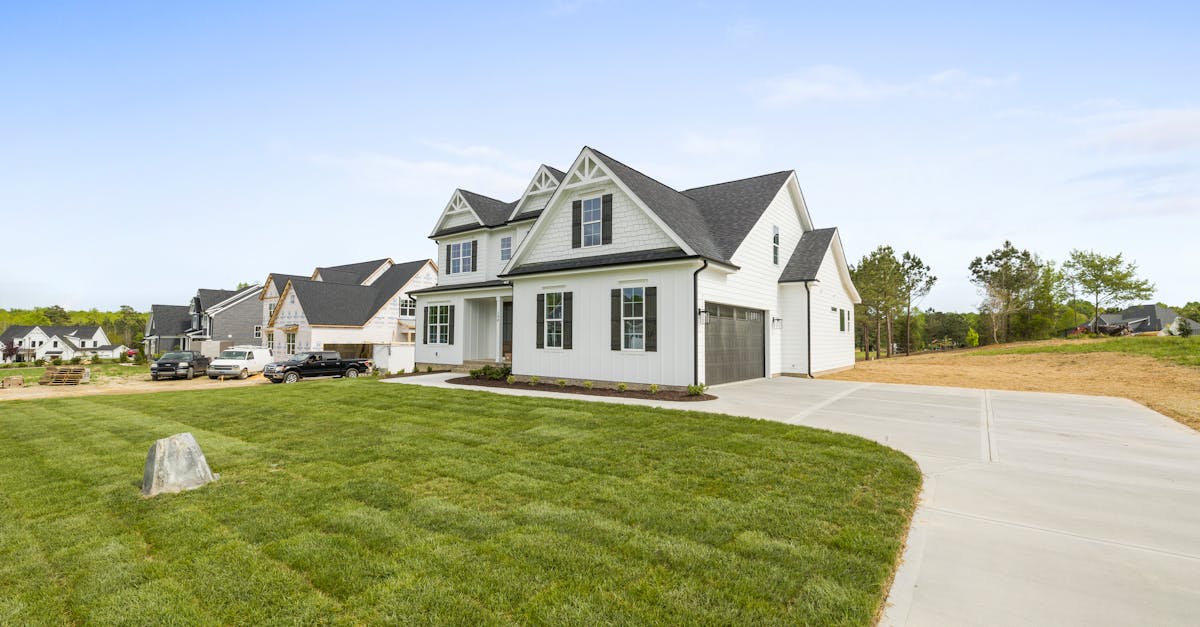
The U.S. housing market has experienced a staggering surge, with home prices soaring nearly 20% over the past year according to the S&P CoreLogic Case-Shiller index. This rapid ascent has exacerbated the affordability crisis, pushing the median home price to an eye-watering $365,000 in July 2023, a record high. Buyers, particularly first-time homeowners, are caught in a tough squeeze as rising costs hinder their dreams of homeownership.
Demand Over Supply: A Persistent Dilemma
The inventory of available homes remains perilously low, currently standing at just 1.1 million units—down 17% from last year. Coupled with a persistent demand fueled by millennials entering their peak homebuying years, this imbalance has intensified competition among buyers. A significant 71% of homes sold in July were on the market for less than a month, illustrating the urgency buyers face in a crowded arena.
Rising Costs and Their Ripple Effects
The Federal Reserve’s aggressive interest rate hikes have made mortgages increasingly expensive. As of August, the average rate for a 30-year fixed mortgage has climbed to 7.23%, up from 2.87% just two years ago. This financial pressure translates to steep monthly payments, averaging around $2,500, thereby limiting homeownership to those with substantial incomes or financial backing.
Rental Market: A Byproduct of Homebuying Woes
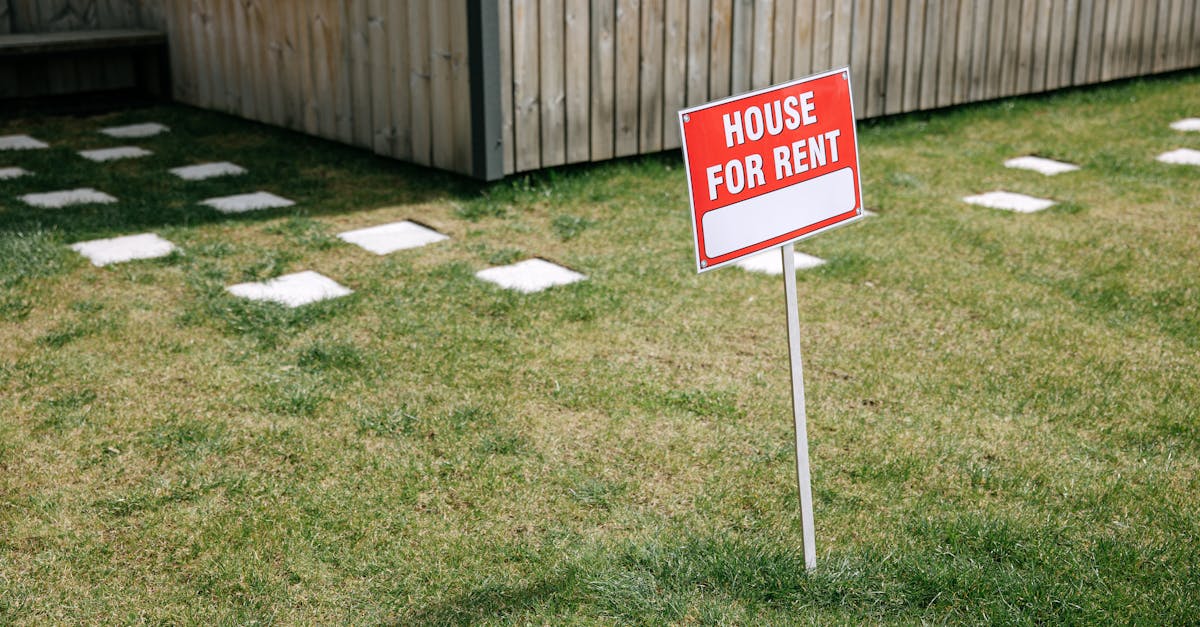
In tandem with home prices, rental costs have spiraled out of control, hitting a national median of $2,000 per month, a staggering increase of 14% since last year. With aspiring homeowners sidelined, more individuals and families are forced to turn to rental markets, driving up demand and subsequently, prices. The lack of affordable housing options poses dire implications for economic mobility, especially for lower-income households who are already grappling with soaring costs.
Economic Impact and Residential Stability
As entry-level homes become increasingly scarce, many potential buyers are opting to remain renters longer than anticipated, affecting long-term economic stability. This trend can have broad implications for local economies, limiting the home construction sector’s growth, which has decreased by 6% year-on-year. Over the long haul, stagnation in homeownership rates could inhibit wealth accumulation and consumer spending vital for economic recovery.
The Road Ahead: Anticipating Market Response
Looking forward, experts predict a more subdued housing market in the coming months as buyers reassess their purchasing power amid rising rates and volatile economic conditions. While the Federal Reserve remains committed to its inflation battle, the housing market’s trajectory will heavily hinge on interest rate stabilization and the cooling of inflationary pressures. Market participants must stay vigilant as they navigate these turbulent waters.