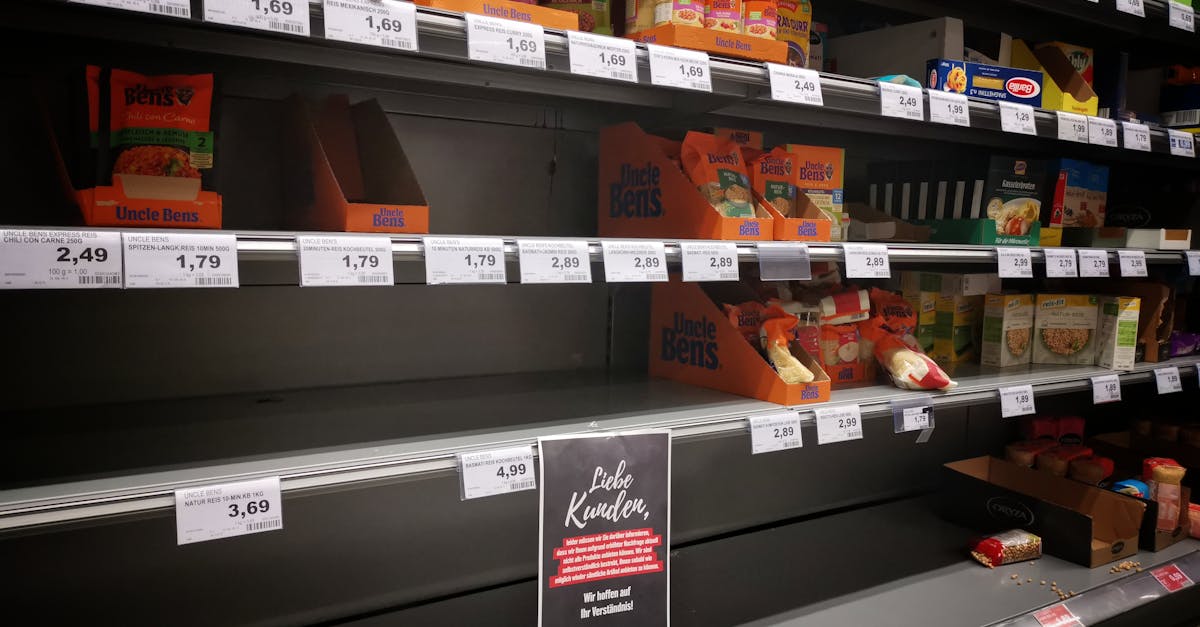
An Unexpected Silver Lining?
As recent data reveals a 4.2% inflation rate, one would expect doom and gloom pervading the landscape of American households and businesses. Yet, paradoxically, certain sectors are thriving amid rising consumer prices. Retail giants are reporting record profits, while prices at the pump continue to oscillate, leaving consumers scratching their heads over how to adjust their spending.
This situation reflects an intricate maze of winners and losers. While families attempt to stretch their budgets against climbing costs, corporations like Costco thrive on bulk sales strategies that minimize individual price sensitivity. How do these contradictions coexist in the same economy?
Expectations Set Against Stark Reality
Analysts predicted a moderate inflation scenario post-pandemic, anticipating that supply chain recovery would stabilize prices. Instead, the anticipated return to pre-pandemic pricing has proven misleading, as demonstrated by inflation trends across various sectors. The energy sector, for instance, has recently reported fluctuations that defy a straightforward narrative, with some regions still susceptible to sharp price hikes driven by geopolitical tensions.
Household goods, conversely, have seen a less volatile journey. Data from the Bureau of Labor Statistics indicates that prices for necessities, like food and housing, have risen substantially, affecting lower-income households disproportionately. The urban-rural divide adds another dimension; while cities face fierce inflationary pressure from housing shortages, rural areas grapple with inflated transportation costs that affect local supply chains. Is there any universal metric that accurately portrays the disparity in experiences across the country?
The Hidden Costs: What’s Left Unsaid
Amid the cacophony of headlines, an invisible struggle may go overlooked. Although inflation hovers at 4.2%, significant segments of the economy are still recovering from deeper structural challenges. In particular, services like hospitality and travel have not fully rebounded. When comparing these sectors to robust retail sales, the contrast starkly reveals a bifurcated recovery trajectory. Inflation becomes a mere statistic among the myriad challenges these sectors face.
Meanwhile, small businesses contend with a different tale. The rising cost of goods, fuel, and wages has placed immense pressure on their profit margins, prompting many to raise prices or cut corners. This persistent squeeze contrasts sharply with how larger corporations can absorb increased costs or automate their processes more efficiently. In looking at these dynamics, the term “inflation” seems simplistic; it glosses over a complicated economic fabric interwoven with pain, privilege, and persistence.
The Global Context: A Relative Perspective
Positioning the U.S. inflation rate in a global context does little to alleviate the domestic burden. Comparatively, the Eurozone recently reported inflation edging downward, presenting a challenge in terms of competitiveness for American exports. As other nations deploy strategies to combat rising prices and utilize energy independence, America faces a multilayered set of obstacles.
This disparity challenges our understanding of inflation’s impact. While we look inwards, a broader analysis poses an essential question: as the U.S. fights its inflation battle, could lessons gleaned from how other economies manage similar challenges help inform local policy?
What Lies Ahead: A Fork in the Road?
With inflation underlying numerous economic discussions, the pivotal question remains: Where do we go from here? How will policymakers navigate the choppy waters of consumer expectations versus harsh reality, particularly when some sectors continue to thrive while others struggle? Will we see measures that tackle systemic inequities arising from inflation, or are we headed toward more band-aid solutions?
In a 4.2% inflationary environment, understanding these nuanced distinctions becomes crucial. What are the economic policies that can bridge this divide? The exploration of this complex terrain reveals a critical juncture—one that requires clarity and focused action, lest we find ourselves caught in a cycle of inflationary despair that continues to shape the economic fabric of the nation.