A Surprising Trend Amidst High Inflation
While many had expected prices to stabilize as inflation dipped to 3.8%, the reality paints a far more complex picture. At first glance, the Federal Reserve’s targeting of a long-term inflation rate of 2% seems achievable, yet consumer price hikes continue to disrupt traditional expectations. This disconnect raises questions: who truly benefits from fluctuating inflation, and at what cost?
Where Expectations Collide with Reality
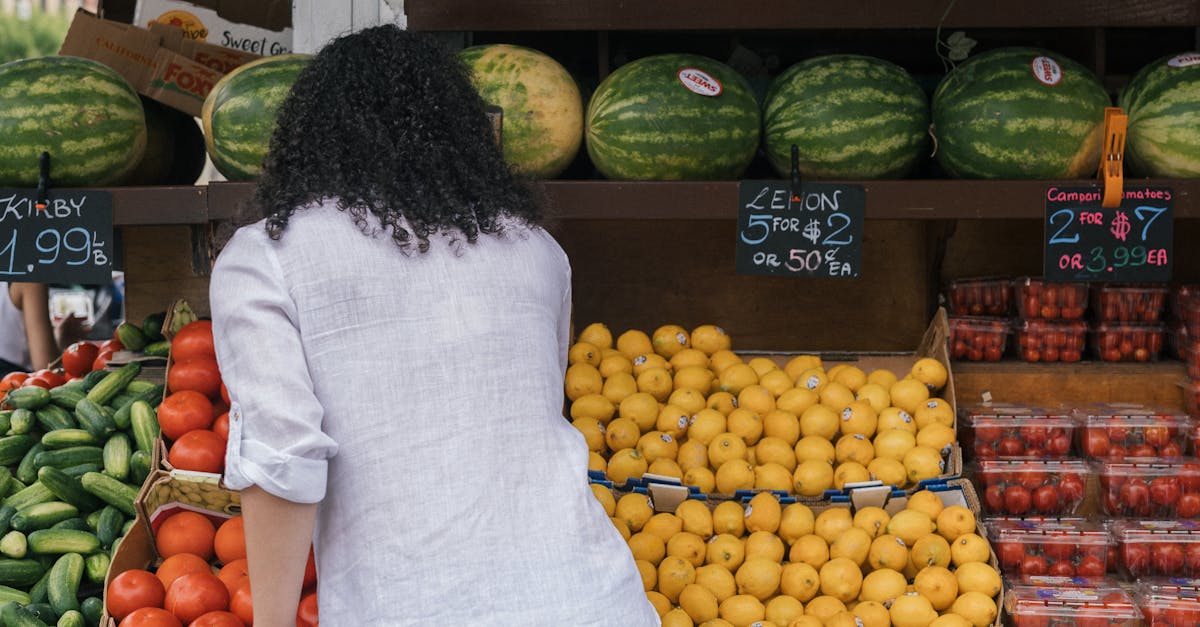
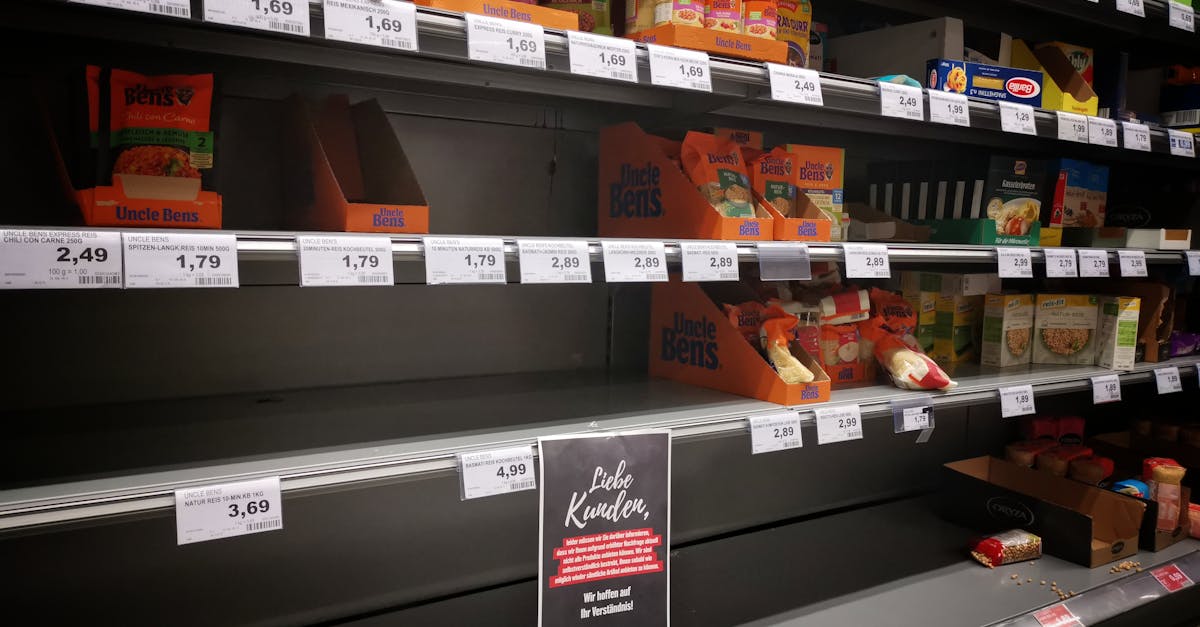
The retail landscape reveals a distinct divide, with some sectors thriving while others struggle due to the persistent inflation. For example, food prices jumped nearly 5% over the last year, compelling consumers to recalibrate their grocery budgets. Meanwhile, the transportation sector enjoyed price decreases, highlighting contentious regional nuances. Airlines and transportation services saw savings as energy costs fell, yet this boon didn’t extend to auto owners enduring rising prices at the pump.
Can two different experiences—one marked by soaring costs and the other enjoying price reductions—coexist within the same economic environment? In fact, they do. This puzzling scenario beckons a deeper dive into sector-specific inflation impacts and regional consumer behavior, creating a divergence that begs exploration.
The Unseen Trends Beneath the Surface
What’s often missing from mainstream reporting is the backdrop of these statistics: wealth disparity exacerbated by inflation’s uneven impact. Urban areas are feeling the heat more than rural locales, as metropolitan dwellers face higher costs in housing, utilities, and goods owing to more significant shifts in demand. In contrast, rural areas have sometimes benefited from lower-priced agricultural products. This layer of complexity highlights that not all regions are sharing the inflationary burden equally, creating a landscape ripe for unrest among consumers.
Winners emerge where unexpected trends arise; for instance, industries reliant on essential goods, such as grocery stores, have enjoyed sustained consumer loyalty despite increasing prices. They are entrenched in a narrative where inflation acts as a double-edged sword—padding margins in some instances while squeezing wallets in others.
An International Perspective
The U.S. finds itself amid a global inflationary environment. While the eurozone hovered around similar figures, emerging markets often experience inflation levels soaring well beyond domestic averages. This juxtaposition poses a fascinating question: do U.S. consumers have more resilience as prices rise, or are they simply better equipped to weather a more predictable economic storm? In countries like Turkey or Argentina, where inflation rates rocketed into triple digits, the societal response speaks volumes about consumer expectations and adaptive behaviors in facing price volatility.
The Decisive Fork Ahead
As inflation trends continue to shift in unexpected ways, the challenge remains: finding equilibrium in a landscape increasingly defined by winners and losers. Will the Fed’s adjustments to monetary policy effectively stabilize prices without triggering a recession? Can Americans adapt quickly enough to these economic realities to prevent a backlash against the prevailing governance models?
As all eyes remain glued to the next consumer price index release, the essential questions loom, pressing down like rising inflation: Are we witnessing a temporary correction, or has the United States entered an era of chronic high inflation? What paths will consumers navigate, and what ultimately will define resilience across communities? The answers hold weighty implications for the future of economic stability.