A Tale of Two Economies
The inflation rate sits at 3.8%, a number that conjures images of control and stability for many policymakers. However, for the average consumer, this figure often belies a more complicated reality. The irony? While some sectors are experiencing a rebound in prices that could signify growing confidence, others are grappling with steep declines that threaten their very viability. Where’s the equilibrium when inflation feels like a double-edged sword?
Expectations vs. Outcomes
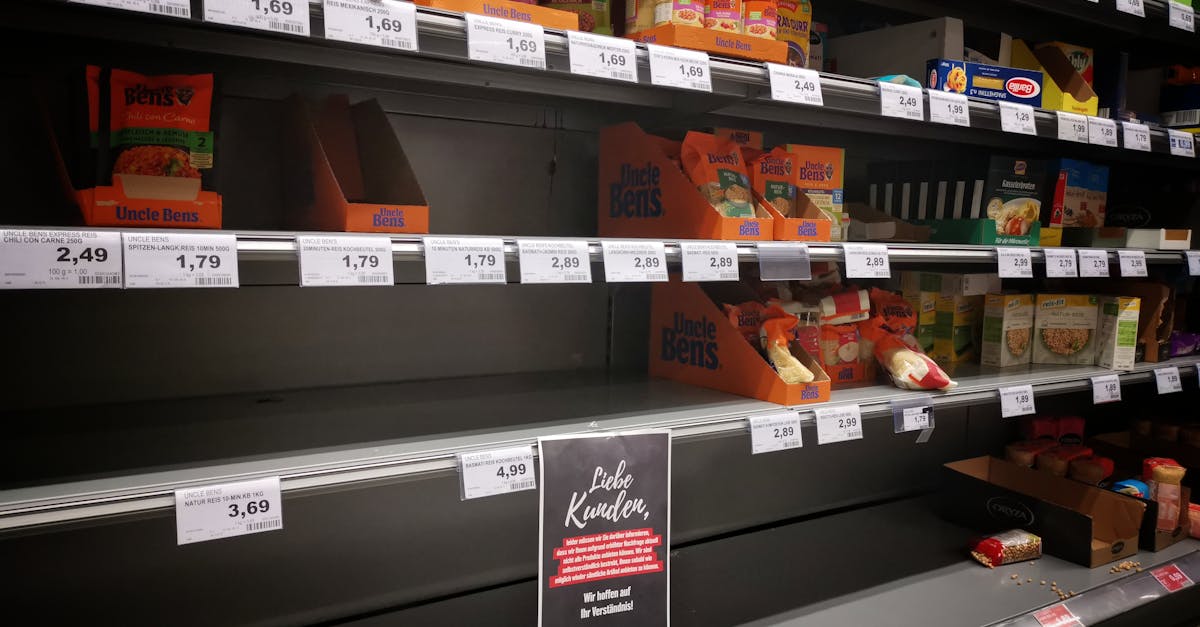
In the realm of consumer goods, not all categories are created equal. Food prices have surged significantly, with grocery costs rising by approximately 5.4% year-over-year. Meanwhile, the technology sector has witnessed a downturn, with electronics prices dropping about 8%. This juxtaposition creates divergent experiences for American consumers; those reliant on discretionary spending for gadgets face relief, while low-income families struggle with inflated food costs. Is it possible that rising prices in essentials are stifling growth in sectors catering to non-essentials?
The Hidden Trend: Regional Disparities
As the national figure of 3.8% garners headlines, the data behind the scenes shows marked differences across states. The Midwest reports an inflation rate of only 2.6%, buoyed by stable housing costs and lower energy prices, while coastal states like California bracket inflation near 4.2%, driven primarily by skyrocketing gas prices and high rents. The implications of such disparities can have long-term effects on migration patterns and economic vitality. Those in lower-cost regions may find themselves fetching higher wages to attract talent, while those on the coasts face a different kind of pressure—retaining residents reluctant to pay inflated living costs.
An Unseen Battle: Wage Growth and Purchasing Power
Despite the persistent media narrative that keeps inflation in the spotlight, wage growth has presented a more elusive story. The Bureau of Labor Statistics reports an average wage increase of 3.5% year-on-year, which seems favorable on the surface. Yet, adjusted for inflation, actual purchasing power increased marginally. Workers in finance and tech might celebrate bonuses and elevated salaries, while sectors like retail and hospitality lag in wage adjustments, further aggravating socio-economic divides. The outcome is a growing disparity where the affluent stand to gain, while essential service workers are left to navigate their economic realities with little respite in sight.
The International Perspective: A Global Lens
In the wake of global inflationary pressures, the US economy must also grapple with its standing against Europe and Asia, where inflation rates often hover near or exceed 5%. Comparatively, the stronger dollar offers American consumers some buffering from international price volatility, but at what cost? As American brands seek competitive pricing on the global market, reduced prices for manufactured goods overseas come at the expense of domestic labor. Are American consumers inadvertently favoring international interests over those of domestic employees?
The Fork in the Road
As headline inflation recedes to a manageable 3.8%, the underlying disparities continue to widen the gaps between winners and losers, exacerbating the hurt in less fortunate categories. With expectations of economic stability bumping up against ground-level reality, the path forward remains contentious. Will policymakers prioritize measures that aim to equalize these diverging trends, or are we heading for a more permanent stratification within American economic life? The answers to these questions could shape the landscape of inflation and consumer behavior for years to come.