An Unexpected Disparity
The latest inflation rate in the United States sits at 4.2%, a figure that seemingly contradicts the upbeat narratives of economic recovery circulating among policymakers. As consumer prices rise, households feel the pinch at the grocery store and the pump, yet stock markets continue to climb, signaling a dissonance between Wall Street’s optimism and Main Street’s struggles. How can the same economic landscape produce both jubilant stock investors and beleaguered consumers?
Sectorial Expectations vs. Ground Reality
Manufacturing and technology sectors, which had initially braced for recessionary pressures, now report strong earnings, largely attributing their success to robust consumer demand and pricing power. According to the Federal Reserve, industrial production rose by 2.4% last month, far exceeding analyst expectations. Yet, this narrative neglects the critical nuances within the economy.
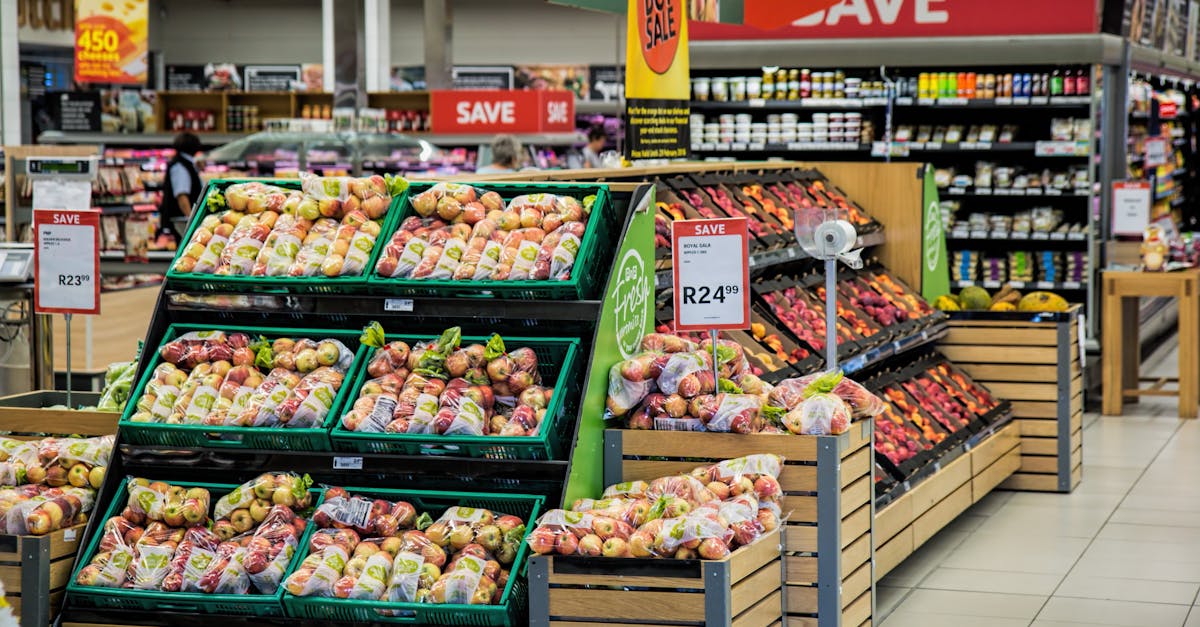
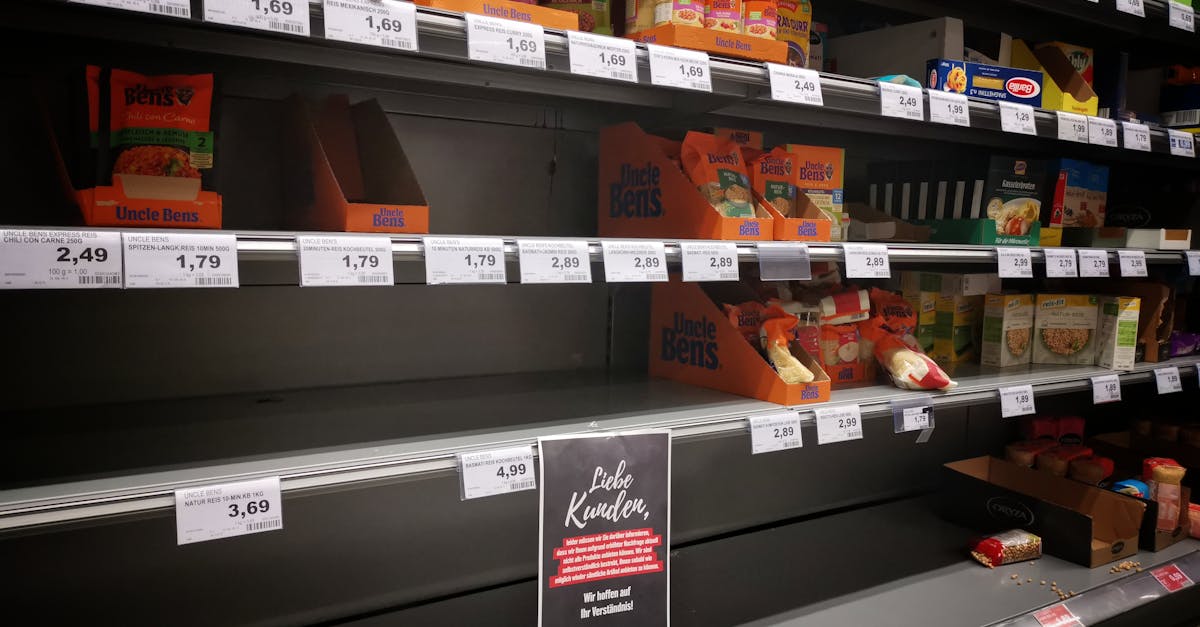
Meanwhile, essential goods—groceries, fuel, and rent—are subject to the inflationary pinch, leading households earning below the median to experience this rise acutely. Monthly Consumer Price Index reports from the Bureau of Labor Statistics show that food prices have surged by over 6% year-on-year, further eroding the purchasing power of lower-income Americans. Therefore, while some industries are reaping substantial rewards, a significant segment of the populace is left grappling with diminished real incomes.
The Hidden Decline of Real Earnings
The headlines typically parade the inflation number as a central metric, but they often obscure another conspicuous trend: the slowing growth of real wages. In April, inflation-adjusted wages remained stagnant, effectively translating nominal increases into no meaningful improvement in buying power. The BLS reported that real average hourly earnings for all employees have dropped by 1.2% year-over-year. This discrepancy between apparent wage growth and inflation ensures that numerous households cannot benefit from a seemingly buoyant job market.
As opportunities arise, luckily for some, they also create stark divides; higher-income households might have the financial resilience to weather price increases through investments, but lower-income families are left with few options. The reality is that while urban areas and affluent regions enjoy the fruits of a revving economy, rural communities and lower-income urban neighborhoods bear the brunt of rising prices without the same wage support.
A Global Perspective: Comparisons That Matter
Looking outward, the inflation phenomenon in the U.S. is not an isolated event, yet comparing inflation rates globally offers a sobering perspective. In countries like Germany, inflation soared to 6.9% recently, yet citizens benefit from an extensive social safety net and higher wage growth that can counter the rise in prices. Conversely, in Japan, long-standing deflationary pressures have only recently shifted to modest inflation above 2%, highlighting the diverse economic circumstances faced by different nations. The U.S. stands at a crossroads, grappling with inflationary trends but lacking the social frameworks seen in such comparisons.
The Deciding Fork Ahead
As we move forward, critical questions arise: Will the Federal Reserve persist with its aggressive monetary policy stance in response to persistently high inflation? Is there a chance that the beneficiaries of stock market gains will be insulated from the true cost of inflation, while others suffer disproportionately? The very fabric of the economic reality in America appears to unravel beneath differing experiences. Can policymakers craft solutions that bridge this growing divide, or will the chasm widen, isolating winners from losers in an already fractured landscape? The decisions made now may determine how the current inflation battle plays out and whom it ultimately favors in the long term, signaling that the ongoing saga is far from over.