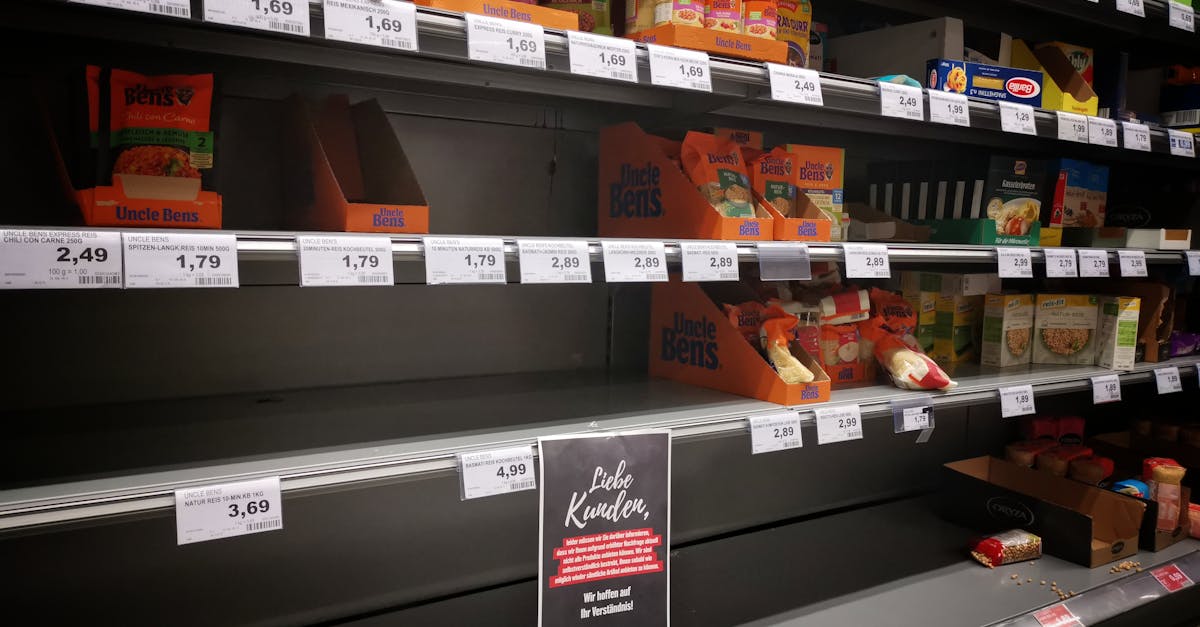
In a perplexing twist, while the headline inflation rate hovers at a muted 2.4%, whispers of pressure are audible beneath the surface. Rising consumer prices might suggest a settled economy, yet the reality is far less straightforward. For example, food prices have climbed steadily, far outpacing the inflation average, creating a reality wherein the grocery bill feels more like a continuous onslaught than an occasional spike.
The Dual Realities of Inflation
On one hand, the Federal Reserve’s recent moves aimed at stabilizing inflation seem to be achieving partial success, as suggested by the slowed rate since the more tumultuous periods of the past. The 2.4% inflation rate does indeed paint a picture of moderation common in the broader economic narrative. However, this figure masks significant divergences across sectors.
Take energy costs, which have ebbed and flowed dramatically, showcasing a stark contrast with stable general price increases. This disparity poses a pressing question: are consumers truly benefiting from the lower overall inflation when specific essential goods remain on a constant upward trajectory? For instance, the BLS indicated a recent 6.7% rise in food prices year-on-year, while the shelter index barely budged.
The case of housing exemplifies this uneven distribution beautifully. While rent prices have generally stabilized, the most vulnerable populations still struggle, as affordability gaps widen in metropolitan areas where living costs are disjointed from average earnings. Wages have nominally increased; however, many find the real purchasing power fizzled out against the high cost of living.
Unpacking the Headlines
Hidden within these headlines lies a broader trend that demands attention: the suburban and rural economies are often bearing the brunt of these inflationary pressures, far more than their urban counterparts. According to the Bureau of Economic Analysis, consumers in less populated areas are facing inflation that could be an eye-watering 3% higher, primarily driven by surging operational costs for local businesses and supply chain complications.
Additionally, the disparity in consumer price indices across regions complicates the national narrative. The Midwest is grappling with higher than average price increases for basic goods while coastal regions see varied outcomes, possibly affecting relocation and economic opportunities in real-time. Whereas it seems clear that urban dwellers can adapt through diversified economies, the rural counterparts tend to feel the seismic shocks far more acutely.
Unraveling the Expectation vs. Reality Gap
The anticipation among economists and policymakers was that the upward pressure caused by labor shortages and supply chain constraints would ease substantially by now—this has not fully materialized. What many expected as a short-lived inflationary period morphing back into pre-pandemic norms hasn’t translated into reality. Instead, persistent inflation, particularly in staples such as groceries and housing, still grips the majority.
Even with wages gradually edging upward, how much have they truly kept pace with actual cost-of-living adjustments? In fact, adjusted for inflation, wages are barely holding ground, leaving many American families stuck in a financial quagmire that the economic indicators fail to depict adequately.
The Decisive Fork Ahead
As policymakers navigate these tangled waters, the question looms: what will pivot this journey—continued interventions by the Fed or a realization that localized inflation needs tailored responses rather than one-size-fits-all solutions? The devil hides in inflation dynamics, and as economic indicators fluctuate, so do the ramifications for everyday Americans, creating a new landscape where expectations repeatedly clash with economic realities. What remains uncertain is whether the current trajectory will lead to a resolution or further economic stratification among consumers. To what extent can monetary policy wield influence against deeply rooted regional economic disparities that fail to conform to national averages? The answer could redefine not just fiscal strategies but the socio-economic fabric of the United States.