As inflation hovers around 2.4%, a seemingly modest figure on the surface, it belies considerable discrepancies across different economic sectors and consumer experiences. This persistent inflation, often perceived as the boogeyman of economic downturns, has established a curious optimism among some consumers while creating profound challenges for others. Typically, economic growth results in a more equitable distribution of wealth, but current realities tell a different story.
Where Reality Diverges from Projections: The Uneven Playing Field
Expectations painted by economists in the wake of the pandemic recovery forecast a more harmonious growth path — low inflation boosting consumer spending, stimulating investment, and easing supply chain disruptions. Yet the reality is anything but straightforward. The bifurcation of inflation’s impact reveals winners like the service sector, which has rebounded sharply, and losers such as segments dependent on raw materials. The Federal Reserve’s recent adjustments suggest that even minor fluctuations in interest rates can fundamentally alter market behavior, yet the true consumer experience often layers complexity over simplistic interpretations.
Just consider housing prices — bolstered as a result of reduced supply and an influx of demand, expectations of continued moderation have been dashed. Rental prices have climbed sharply in cities like Austin and Miami, reflecting not just inflation but a migration of professionals seeking fast-paced lifestyles, driving demand into regions that are now seeing cost increases outstrip incomes. Suburban areas once seen as affordable alternatives are rapidly losing that appeal as pressures mount from urban centers, leaving some families grappling with unsustainable housing costs.
Dissecting the Unseen: The Hidden Costs of Inflation
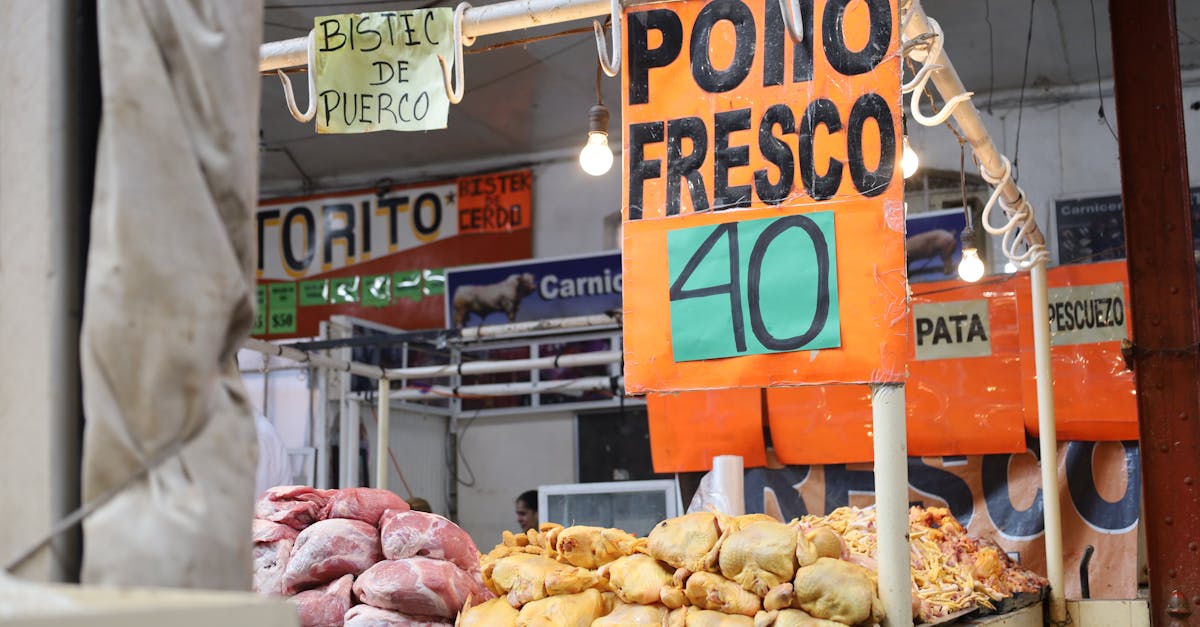
Many crucial narratives surrounding inflation remain sidelined from mainstream discussions. For instance, while national inflation rates have settled around 2.4%, core inflation — stripping out food and energy prices — showcases more profound underlying tensions. The price of essential goods has surged for households, representing a burdensome allocation in already stretched budgets. According to BLS data, the Consumer Price Index for food at home escalated by 6.9% in the past year alone, contrasting sharply with stagnant wage growth for lower-income brackets.
This creates a disconcerting picture where not all segments of the population enjoy the benefits of a 2.4% inflation rate. The affluent classes, benefiting from robust stock market performance and stable real estate assets, appear insulated from these realities. Meanwhile, lower- and middle-income families find themselves caught in a vice grip of escalating costs, limited wage growth, and shrinking purchasing power. It effectively creates a paradox: a stable economy for some, while others battle against rising tides.
Beyond the Numbers: A Global Perspective
The repercussions of inflation in the U.S. can also be understood through a global lens. Countries like Japan and Switzerland have kept inflation near zero, and European countries have grappled with energy prices from geopolitical issues, providing an intriguing juxtaposition to the American experience. The Fed’s policies, while ostensibly aimed at fostering a post-pandemic recovery, resonate more like a balancing act on a tightrope rather than a steady foot on solid ground. Employing aggressive interest rate hikes in the past has led to fears of curtailing growth — are we crafting a resilient economic landscape or merely postponing a much-needed reckoning?
The Pivotal Moment: Where Are We Headed?
As inflationary pressures evolve, a critical question emerges: will the benefits of growth be shared, or will the benefits become increasingly concentrated among the already wealthy? The anxiety among American consumers reflects a broader existential question about our economic architecture and priorities — are we moving toward a more equitable economy, or are we trapped in a cycle of winner-takes-all? The growing late-stage consumer sentiment might suggest increasing hesitation in spending, juxtaposed against optimistic retail projections.
Every economic decision reverberates throughout the fabric of society, and in this climate of uncertainty, the choices we make now could delineate the economic trajectory for years to come. The decisive fork remains obscured — balancing stability against vulnerability, progress against setback. Which path will we choose, and who will ultimately map our way forward?