An Unexpected Player in the Inflation Game
While most analysts fixate on a current inflation rate of 2.4%, a figure that suggests a controlled economy enjoying moderate stability, beneath this surface lies a contradictory narrative. It seems very different on the ground for many American families. For instance, certain sectors report price increases far exceeding the average, exposing a clear disconnection between headline figures and the daily realities of consumers. The true story of inflation unveils a complex web of winners and losers, each navigating a landscape shaped by diverging economic forces.
The Contradictory Landscape of Growth
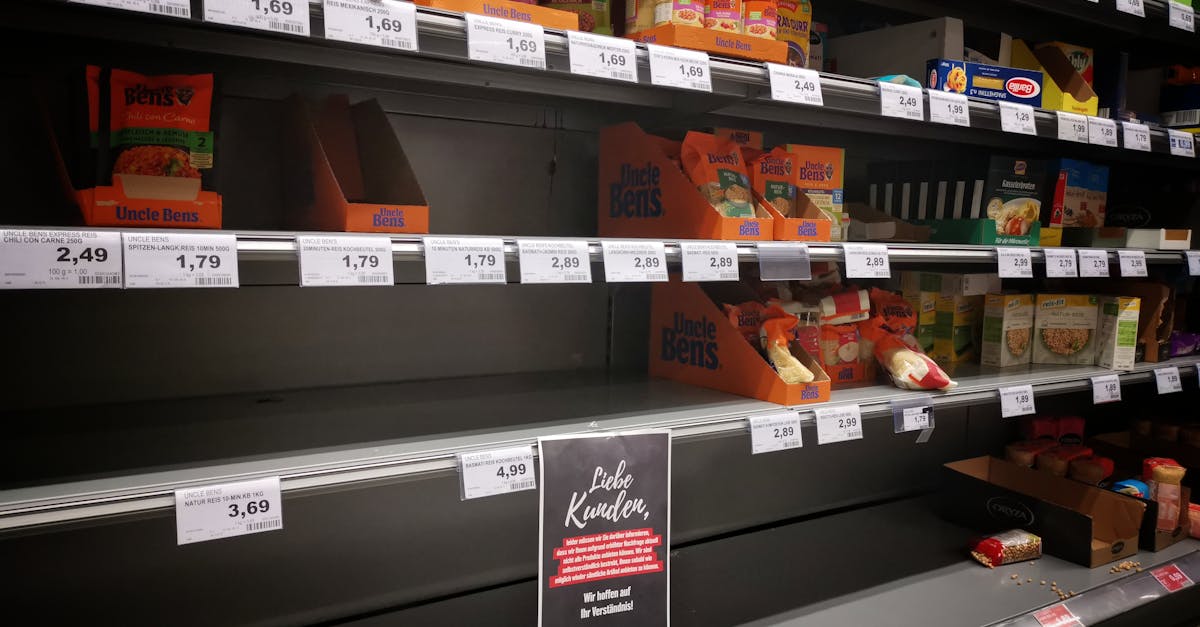
The BEA has been reporting robust growth in various sectors, yet the nuances reveal layered disparities. The services sector, including leisure and hospitality, has flourished as Americans rush back to dining and travel experiences, pushing demand and prices upward significantly. On the opposite end, essential goods—think groceries and utilities—create an uncomfortable backdrop with rising prices dampening disposable incomes for many households. The contrast is stark, where luxury might reign in some zip codes while essentials run the gauntlet of price hikes in others.
A closer look points to the regional differences that deepen gaps in inflation experiences. While cities like Austin, with its tech-boom, enjoy investments and job creation, areas like the Rust Belt continue to grapple with stagnant wages and rising basic costs. The BLS statistics on regional CPI confirm that metropolitan areas often fare markedly better than rural communities, exacerbating economic inequality.
The Hidden Trend of Disparity
One aspect that rarely makes headlines is the shifting balance between urban and rural inflation realities. According to BLS data, urban consumer prices influenced by quality of life enhancements—such as better public services and amenities—typically diverge significantly from price trends observed in rural areas, where a single gas station may determine travel costs and groceries often command a hefty markup due to distribution challenges.
Moreover, the Federal Reserve’s monetary stance is a critical element not always fully acknowledged in popular discourse. While quantitative tightening aims to temper inflation, the longer-term uncertainty around interest rates creates mixed signals. How much longer can those lower-income households withstand the bite of inflation on necessities while interest rates gradually ascend?
The American consumer has also shown remarkable resilience. GDP growth indicators and consumer confidence surveys reveal a willingness to spend, but this optimism seems to be concentrated among higher-income earners. Are we witnessing a bifurcation where luxury spending thrives while basic needs remain a burden? With the luxury sector experiencing price increases around 3-5%, juxtaposed against stagnating wages and rising living costs for the lower-middle class, such questions loom large.
The Decisive Fork: Economic Dilemma Ahead
As inflationary pressures continue to reshape the landscape—and regional disparities widen—an open question emerges about how policymakers will respond. Are the Fed and the government prepared to intervene to alleviate pressure on the most impacted populations? Or will the focus remain on keeping inflation rates symbolically low while failing to address the underlying fractures that a mere number cannot reflect?
The economy appears at a crossroads, weighed down by the paradox of apparent stability coexisting alongside deep economic anxiety and inequity. For many, the crutch of a modest inflation rate merely glosses over a complicated tableau of economic survival and adaptation amidst relentless price increases. The forthcoming decisions will define whether this inflation narrative becomes a catalyst for strengthened support systems or a conduit for further division. As consumers navigate these turbulent waters, which path will they be forced to take next?