Inflation’s Dual Face: Winners and Losers in the Price Game
A 2.4% inflation rate often conveys a sense of stability or even calm among consumers and businesses navigating an ostensibly recoverable economy. Yet, the façade of uniform price increase masks stark disparities among industries, as well as a deeper narrative of winners and losers. While some sectors flourish under these conditions, others struggle, with the burdensome weight of inflation falling disproportionately on various demographic groups.
The Undeniable Gap Between Sectors
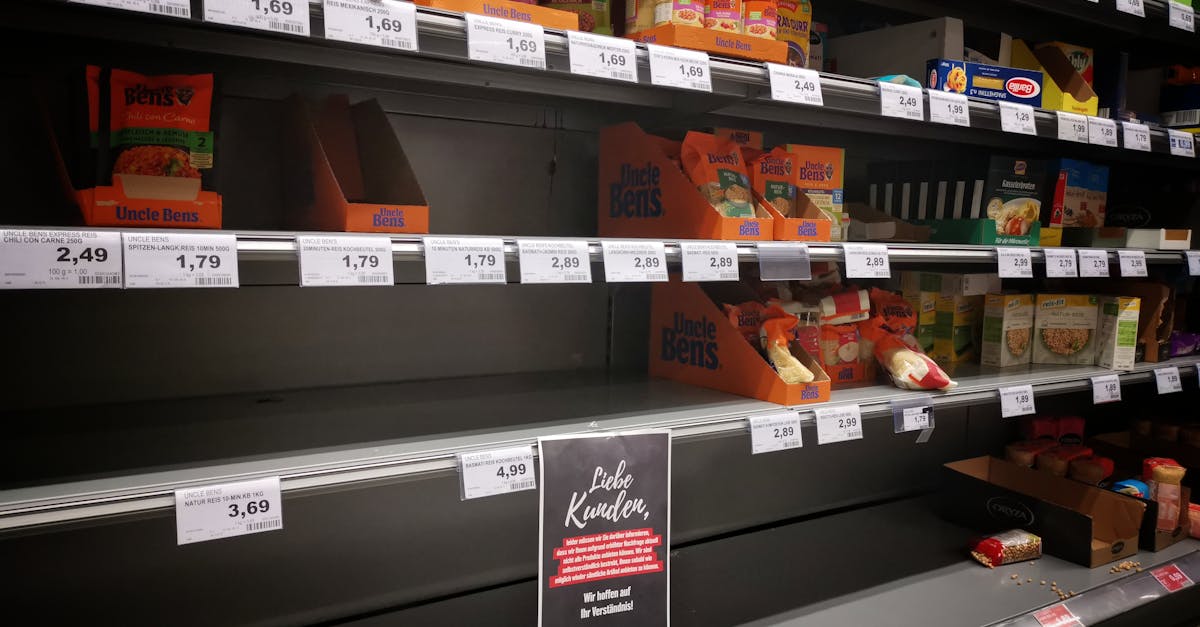
Consumer goods, particularly in essential categories like food and energy, have sparked alarm bells with noticeably sharper price hikes. The Bureau of Labor Statistics indicates that food prices have swelled at around 5.7% since early last year, drastically contrasting with the stability seen in luxury goods, which have seen much more modest increases. Does this highlight a bifurcation in inflation effects, wherein the necessities of life are becoming increasingly pricey while the discretionary spending market remains somewhat insulated?
Moreover, regional discrepancies further deepen this divide. Urban areas, especially on the West Coast, grapple with housing costs soaring well above the national average, largely displacing lower-income residents in search of affordable living. In contrast, some rural areas have witnessed stagnant wages but relatively lower housing costs, leading to a less pronounced inflation impact. How can this dual-level of experience cast doubts on economic recovery narratives?
The Hidden Costs of Inflation Shifts
While mainstream headlines tend to obsess over the inflation rate as a homogeneous figure, they often skip over the risks cloaked in underlying dollar erosion. Specifically, as inflation bites deeper, many middle-class households find themselves losing ground against a backdrop of rising consumer prices. Savings that once acted as a buffer against economic uncertainty are being dissipated by inflation, with thousands of families feeling the pinch as staples cost more and wages fail to keep pace. In fact, real wage growth is stagnant, leaving everyday citizens to feel the ache of inflation that the broader data may overlook.
Moreover, the services sector, responsible for a large slice of employment and consumer spending, has likewise seen uneven inflation trends. The leisure and hospitality industries, still recovering from pandemic-induced setbacks, are inching closer towards price consistency, with wage stabilization efforts aimed at reviving employment. Yet, this sector’s recovery trajectory starkly contrasts the pressing wage demands seen in education and healthcare, where labor shortages are solving neither the access constraints nor the costs.
An International Lens: Comparisons Reveal Unequal Burdens
In examining inflationary pressures outside U.S. borders, one notes striking differences in hyperinflationary environments such as Venezuela or Zimbabwe. Yet, comparisons to other developed nations, like those in the Eurozone recording similar inflation rates, expose an underlying truth: the management of price stability and the effectiveness of fiscal policies may lead to divergent inflation experiences.
For example, Germany’s inflation rate closely dances with that of the U.S. Nevertheless, their robust supply chain management might explain why their consumers aren’t as pressured by spikes in necessities as American families are. The nuance here demands scrutiny: is the U.S. managing its supply issues effectively, or is it revealing a greater systemic fault line that could undermine economic resilience?
Through it all, the varying narratives in inflation’s impact challenge the prevailing monolithic perception of a stable economy. A deeper analysis unearths a multifaceted struggle imbued with inequity that goes beyond simplistic assertions.
As industries and demographics swell with differing fortunes, readers might query: which future will unfold—the one that champions recovery efforts or the one that spells impending uncertainty for millions? How will we navigate this fork in the road as divergent inflation experiences shape consumer behavior and economic policy?