A Journey to Paris
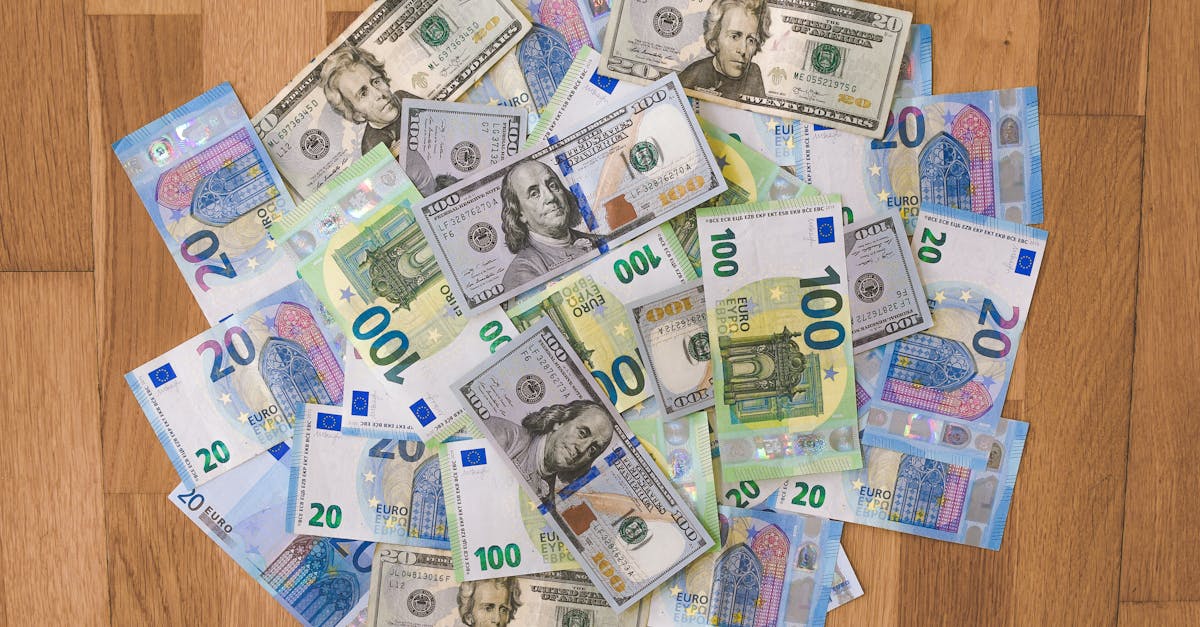
As the Johnson family prepares for their long-awaited trip to Paris, excitement fills their kitchen. Twelve-year-old Emma is daydreaming about the Eiffel Tower, while her father, Jack, is glued to his laptop, researching the best places to visit. However, his focus suddenly shifts to a more pressing matter — the exchange rate of the dollar against the euro.
A quick check reveals that the dollar is currently trading at about 0.95 euros. Jack knows this isn’t the best rate; just a few months ago, he could have received slightly more euros for each dollar, a reflection of fluctuating economic circumstances at home and abroad. Anchored by inflation at 2.4% and interest rates climbing to 3.64%, the dollar’s value has remained volatile, which is affecting families like the Johnsons who now find their travel budget a little tighter than anticipated.
In the practical realm, each euro Jack buys to convert his hard-earned dollars means that his spending power in Paris takes a hit. For instance, if they planned on spending 1,500 euros, it would cost them approximately $1,578 today, a stark difference from a few months ago when the rate favored them, making their Parisian dream feel a bit more achievable.
The Broader Economic Canvas
But the dance of the dollar doesn’t just affect eager travelers. On a larger scale, the situation has implications for American businesses trying to export goods overseas. For example, if Jack’s friend Mike owns a small manufacturing company that sends products to Europe, he now finds that every sale he makes in euros translates back to fewer dollars when converted at the current rate. The greater challenges, especially with unemployment hovering around 4.3%, mean that sustaining crew wages becomes increasingly difficult.
In this environment, think of the economic equation that surrounds a dollar-$EUR exchange. Jack’s access to 0.95 euros per dollar not only shapes his family’s budget for Paris but also plays into economic growth and inflation on home soil. As imports become cheaper for Americans, export-driven businesses might face shrinking margins, especially if the dollar strengthens further. It’s a complex web of international trade dynamics that impacts lives, whether in a family kitchen or a corporate boardroom.
The Role of Central Banks
Interest rates, pegged at 3.64%, represent the Federal Reserve’s attempts to manage inflation while encouraging economic growth. When rates climb, borrowing costs increase, potentially dampening consumer spending. For the Johnsons, that means if they were considering financing their trip, the overall expenses would surge, diverting funds from their upcoming European adventure into debt repayments. Jack can’t help but remember that even slight changes in monetary policy can shift weights in budgets within families as effortlessly as rippling water—a small stone can send waves across the pond.
Returning Home
As they finalize their itinerary, Jack contemplates how the fluctuating exchange rate may impact not just his family’s plans but the economy at large. They wonder aloud whether they should reconsider their spending allocation for French pastries or that delightful Seine River cruise.
Ultimately, their trip represents the interwoven fabric of individual aspirations and broader economic realities. The Johnsons’ experience underlines how interconnected the dynamics of exchange rates, inflation, and interest rates shape everyday lives, reminding them that even as they dream in euros, they remain at the mercy of the dollar’s relentless journey on the global stage. Each moment they bask in the Eiffel Tower’s shadows is intertwined with a complex web of financial strategies unfolding thousands of miles away, making every bite of baguette taste a little different, influenced by the econometrics of their time.